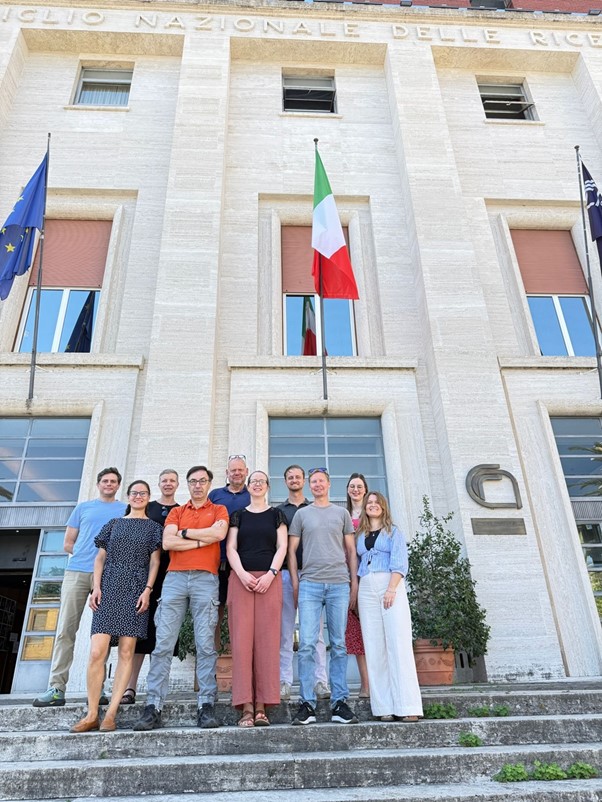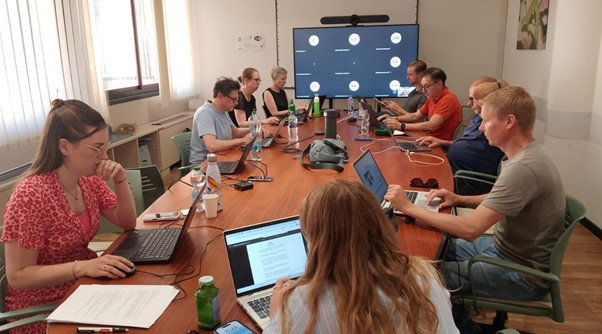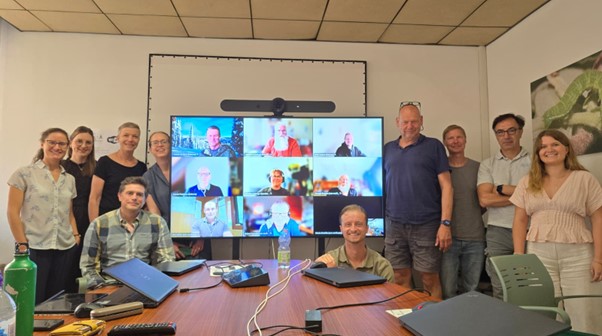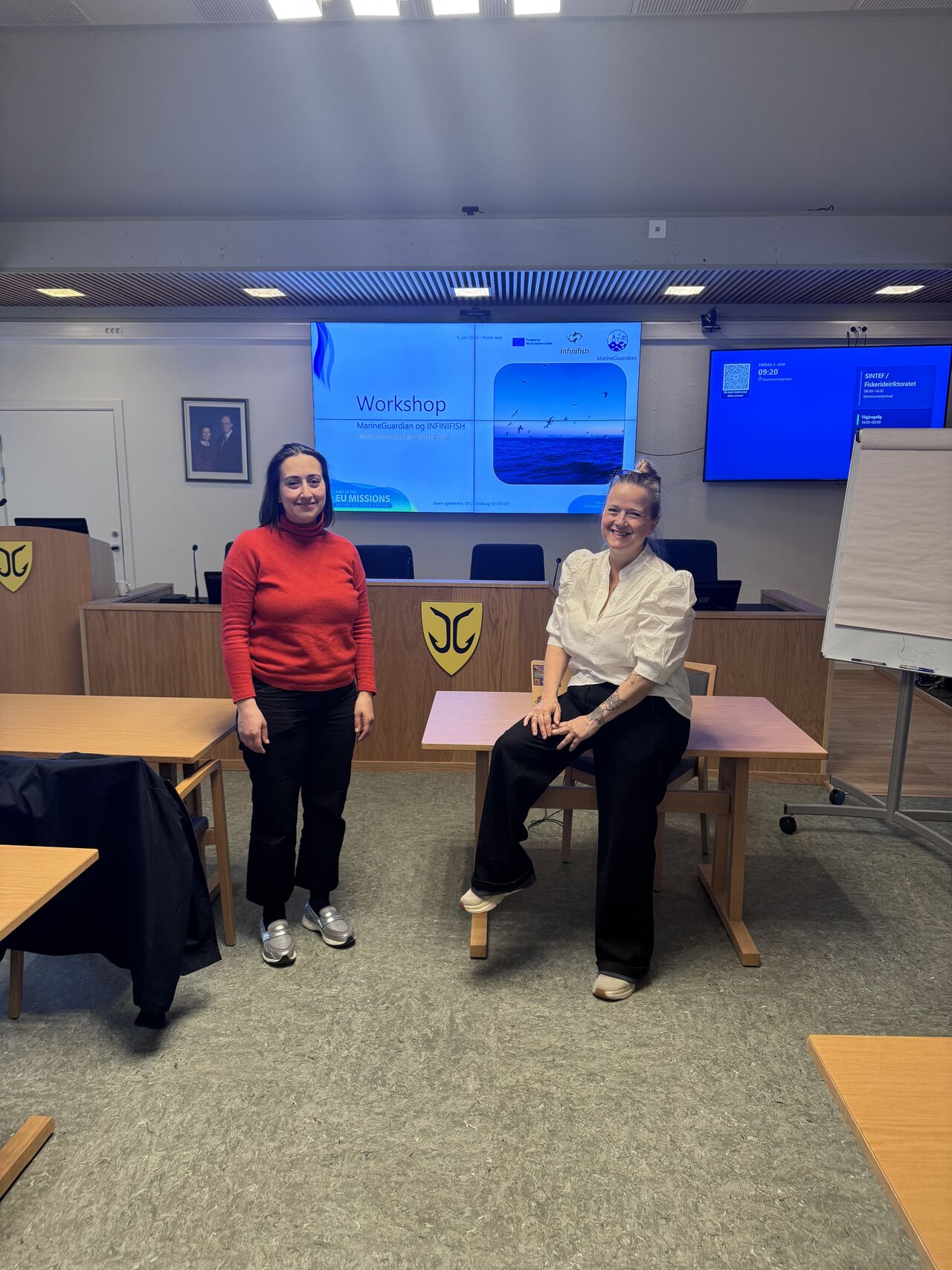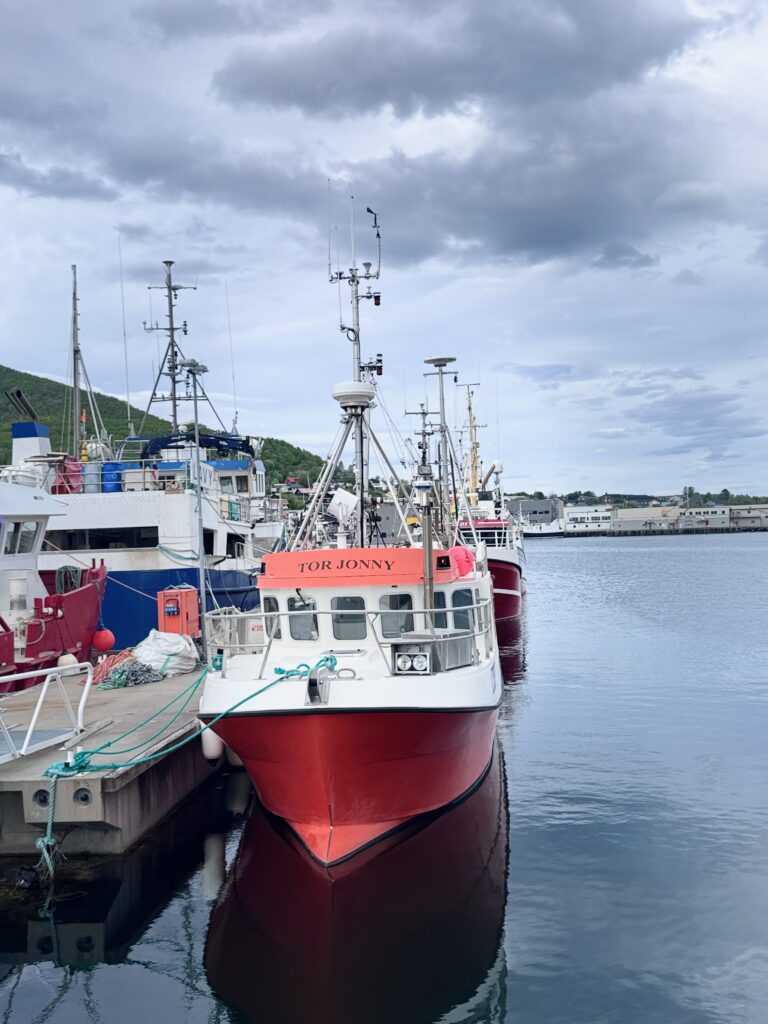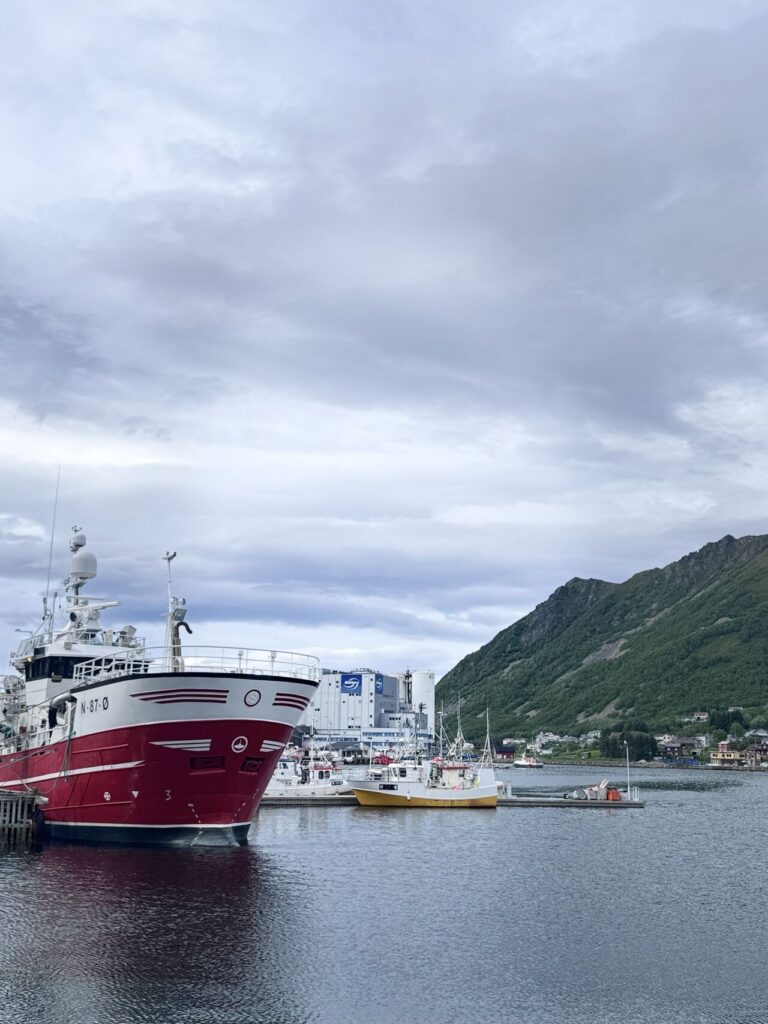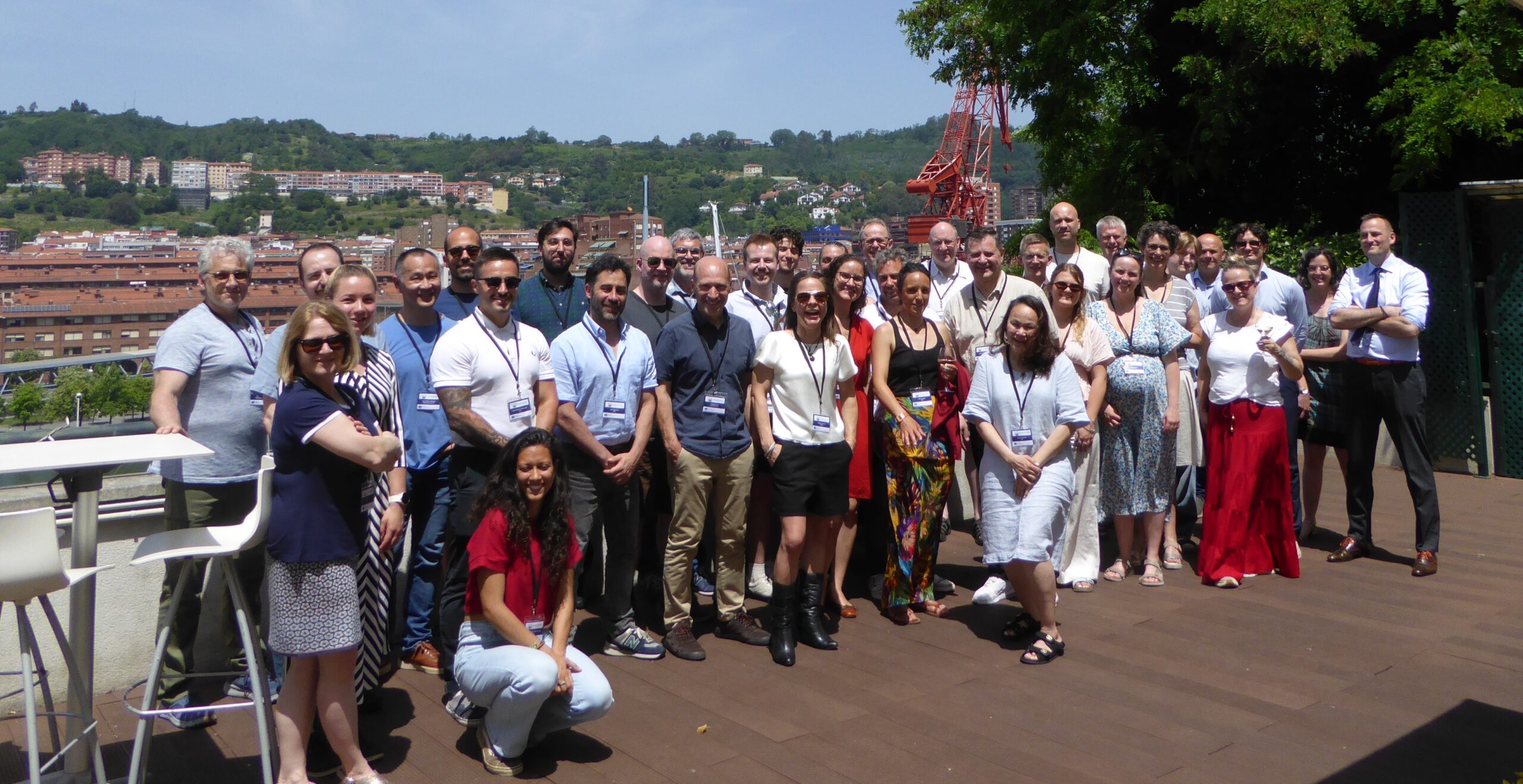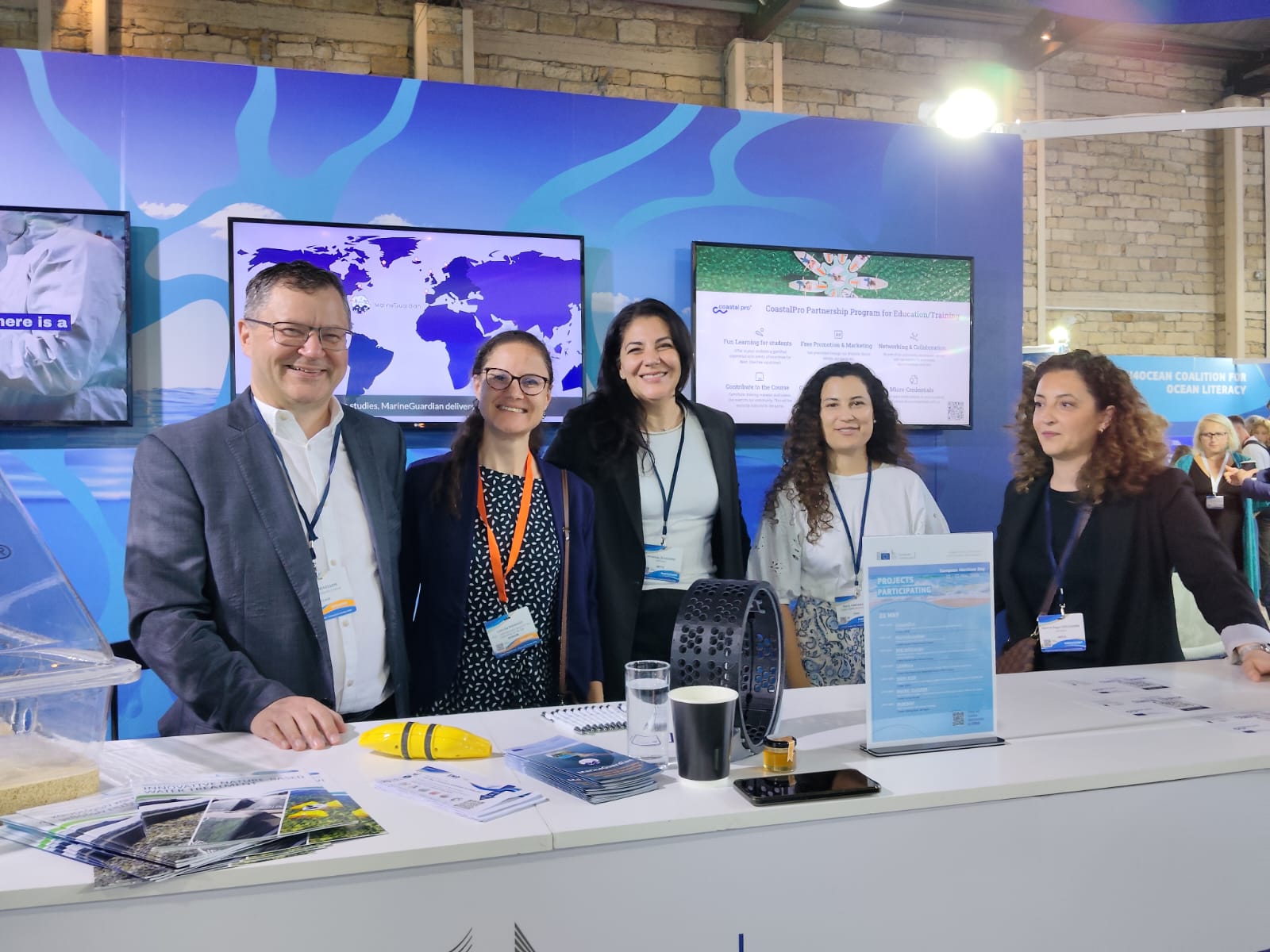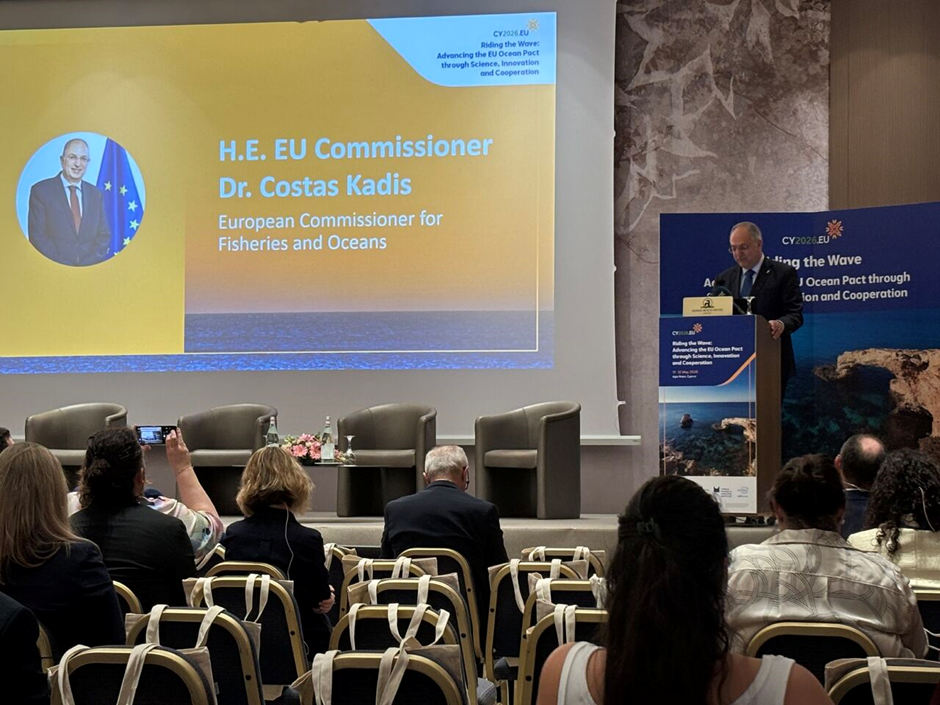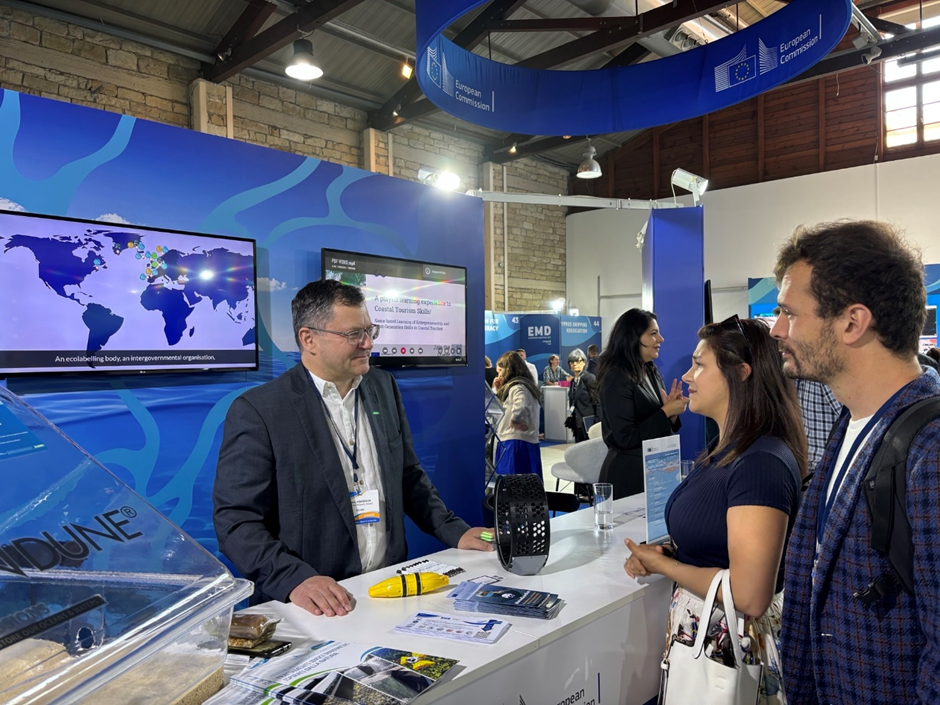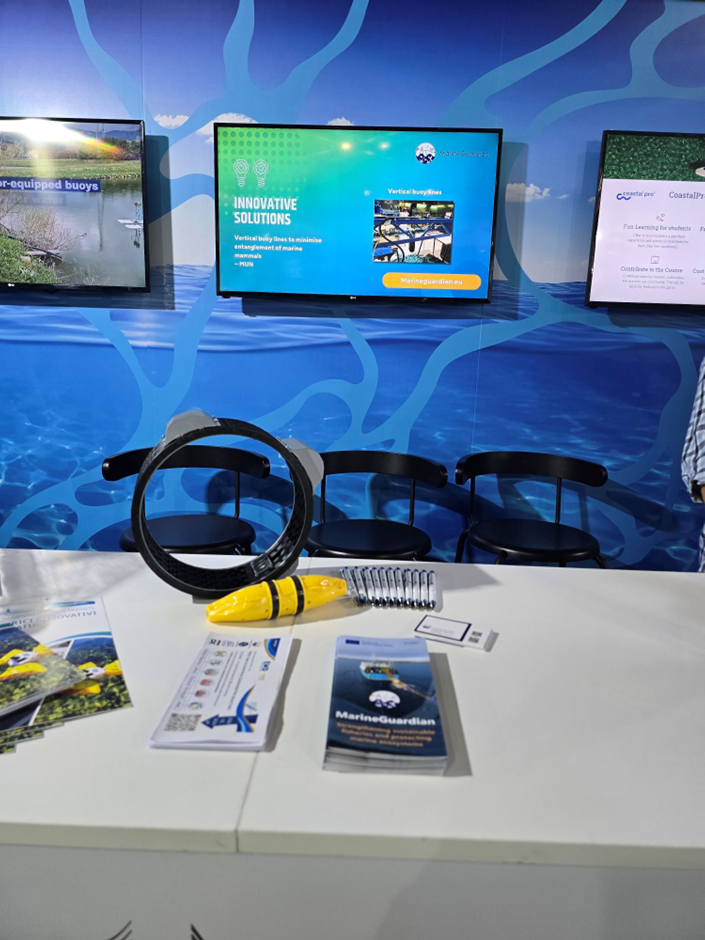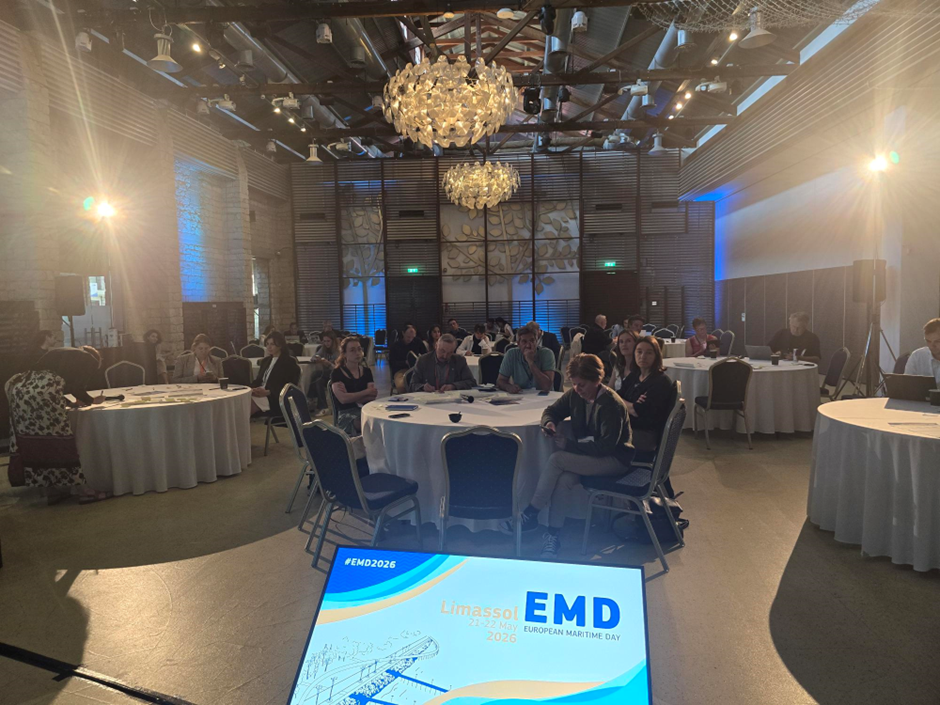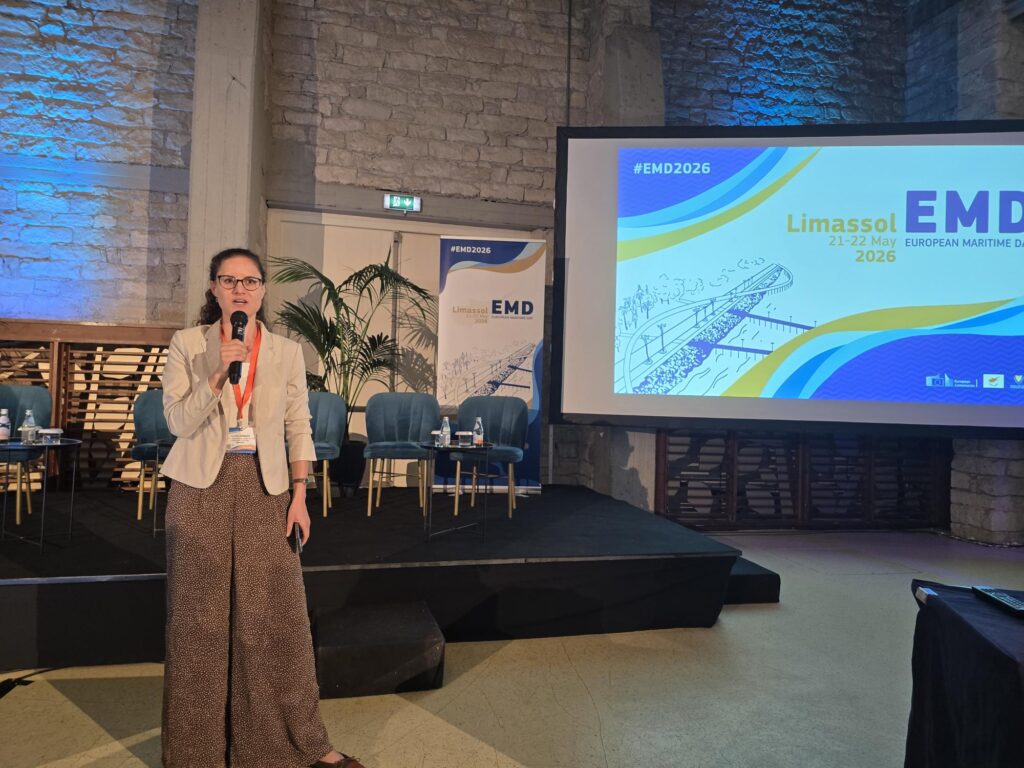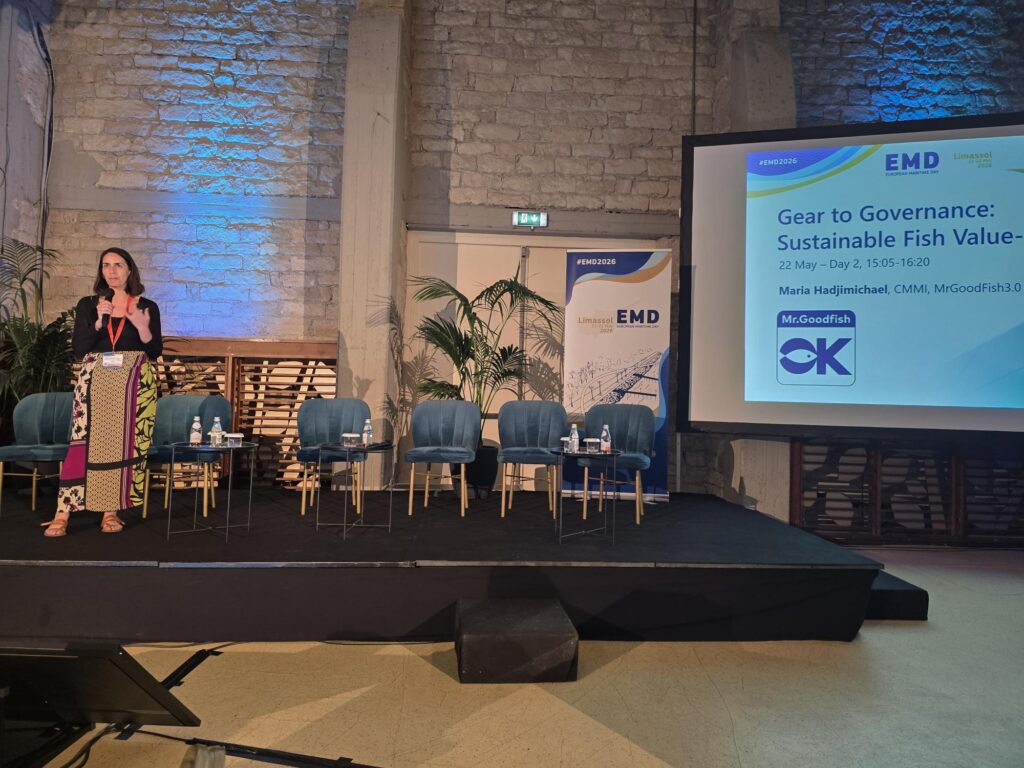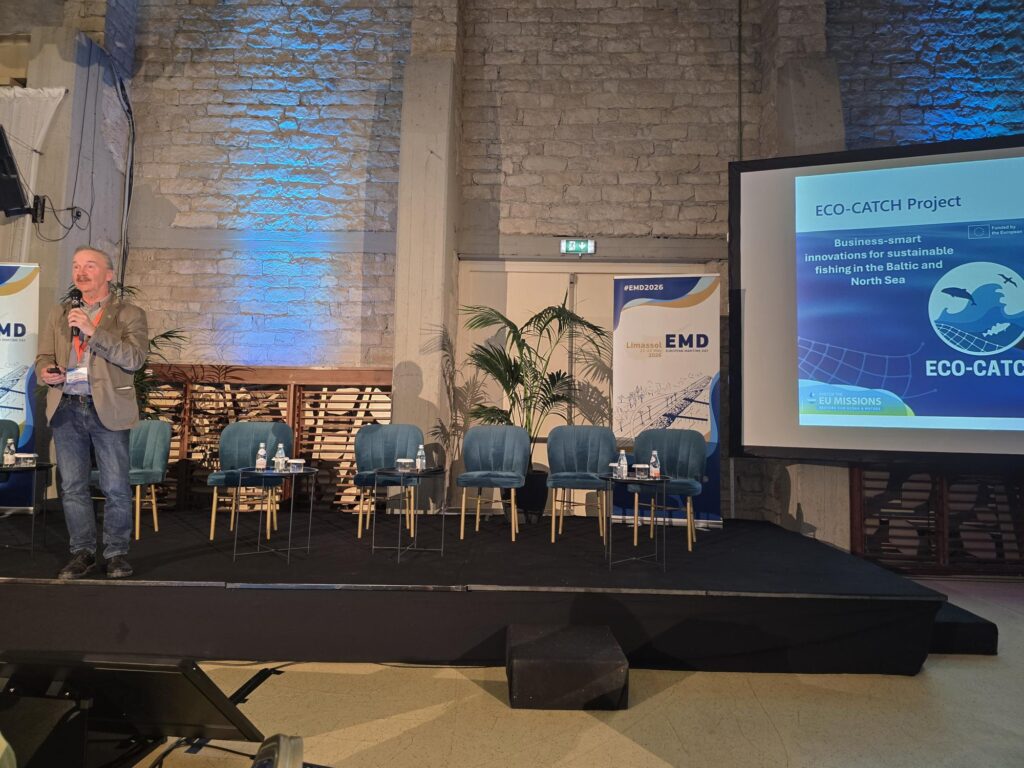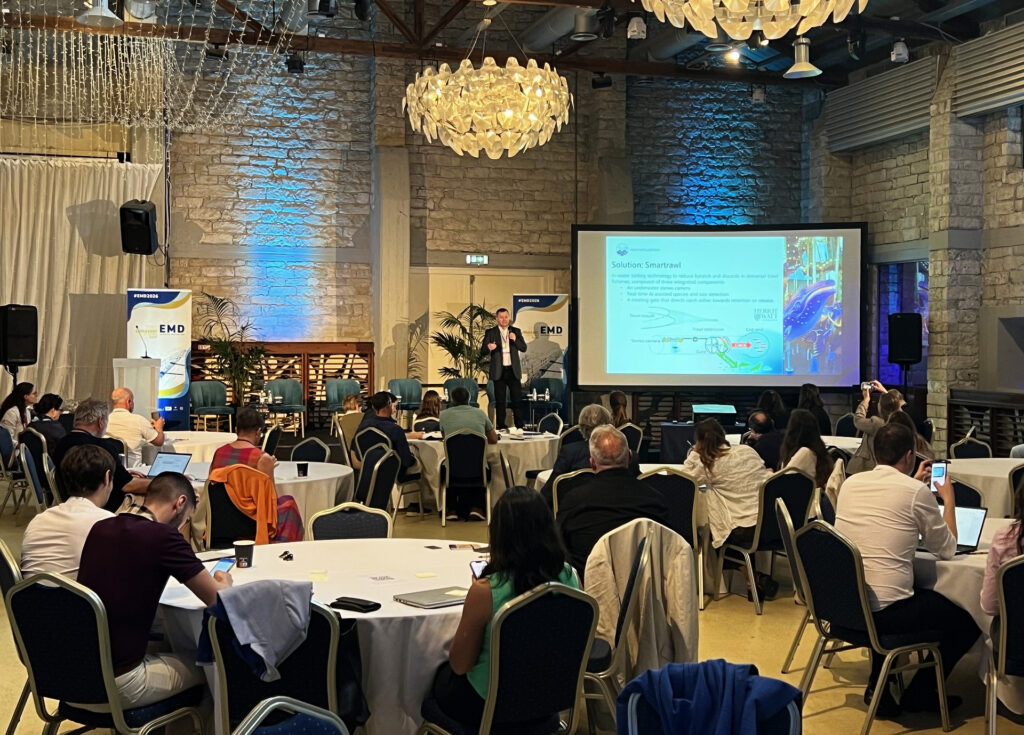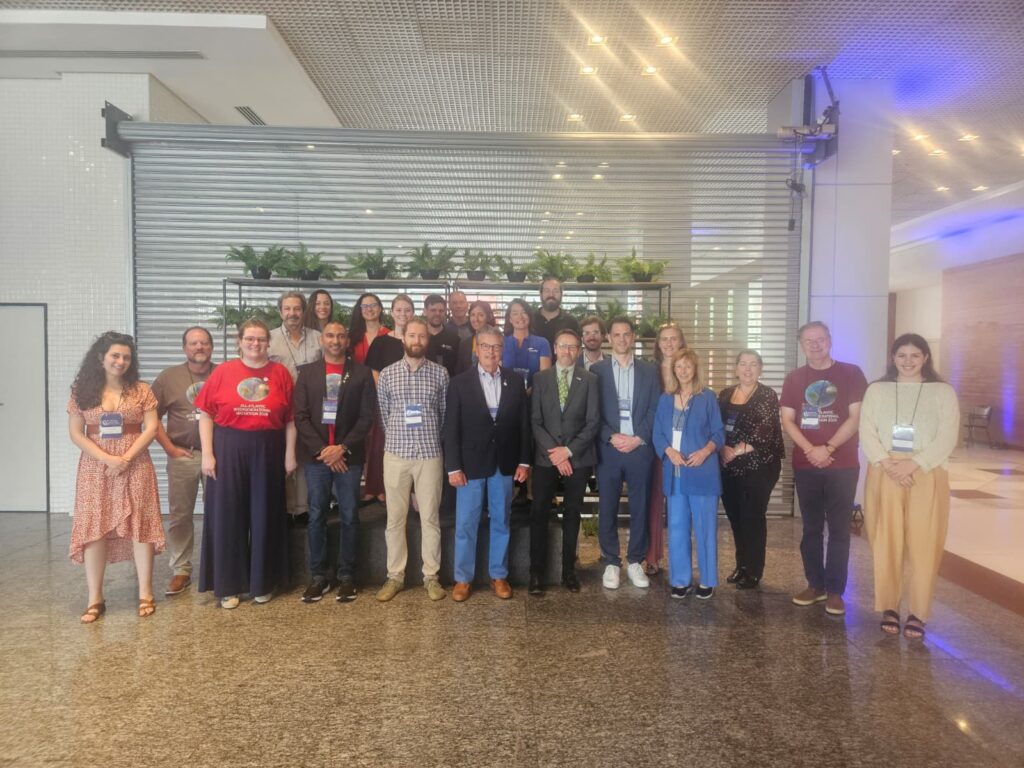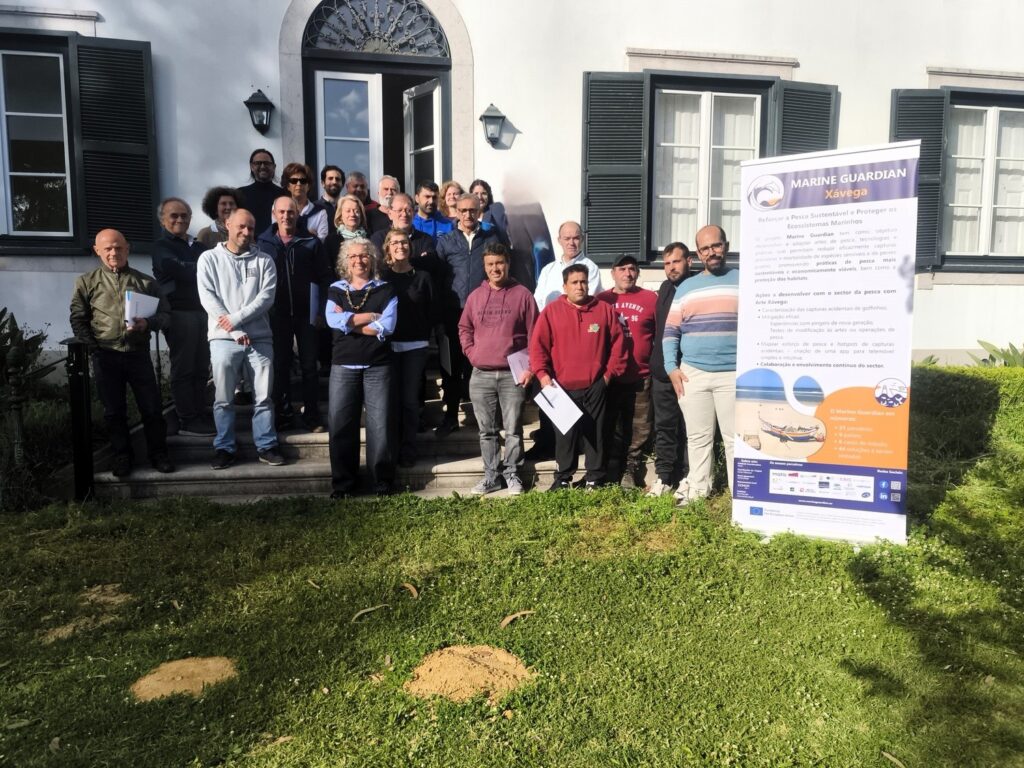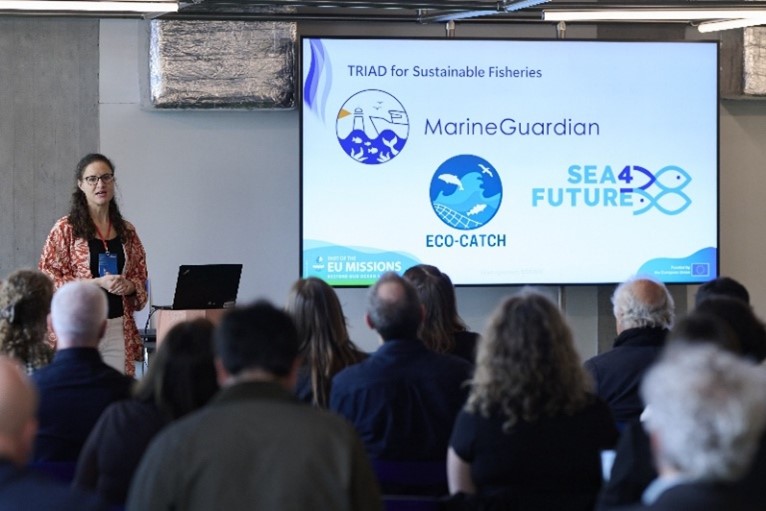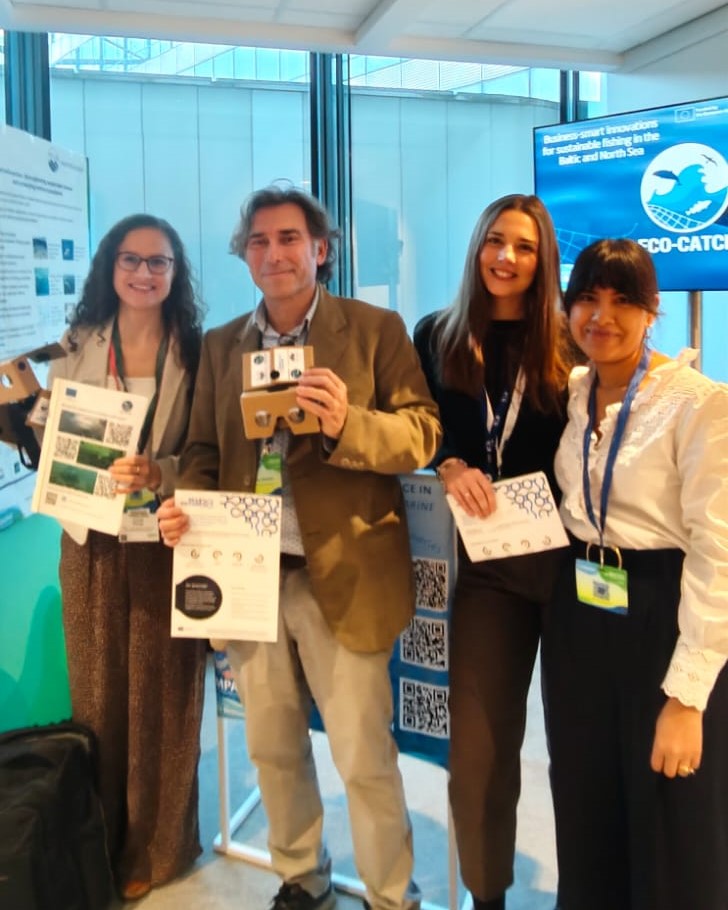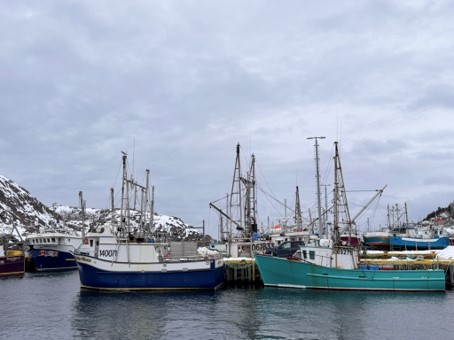
As part of the MarineGuardian project, our partner Sjókovin has been actively engaging with the Faroese public to share knowledge about marine research, innovation, and EU-funded collaboration.
How were local communities engaged in 2025?
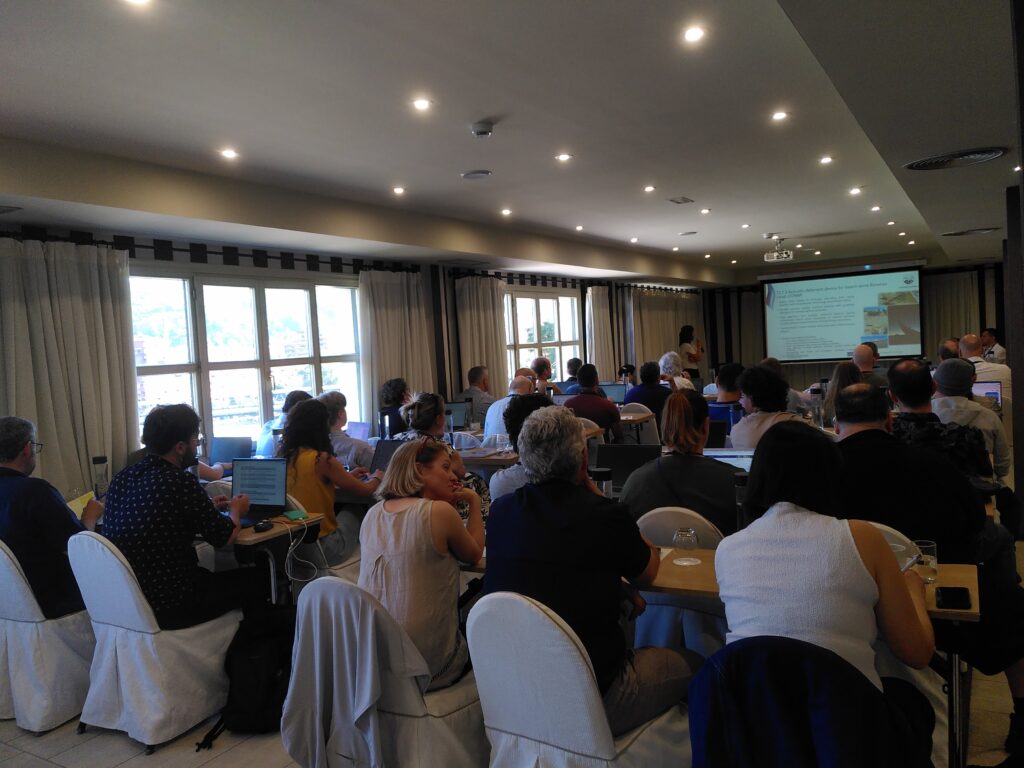
First, in March 2025, following the acceptance of the MarineGuardian project, Sjókovin celebrated its 5th anniversary with a public conference that brought together researchers, stakeholders, and the wider community. During the event, all newly approved Horizon Europe projects (MeCCAM, OCCAM), including MarineGuardian, were presented to an audience of around 100 participants, highlighting the role of research and innovation for sustainable marine futures.
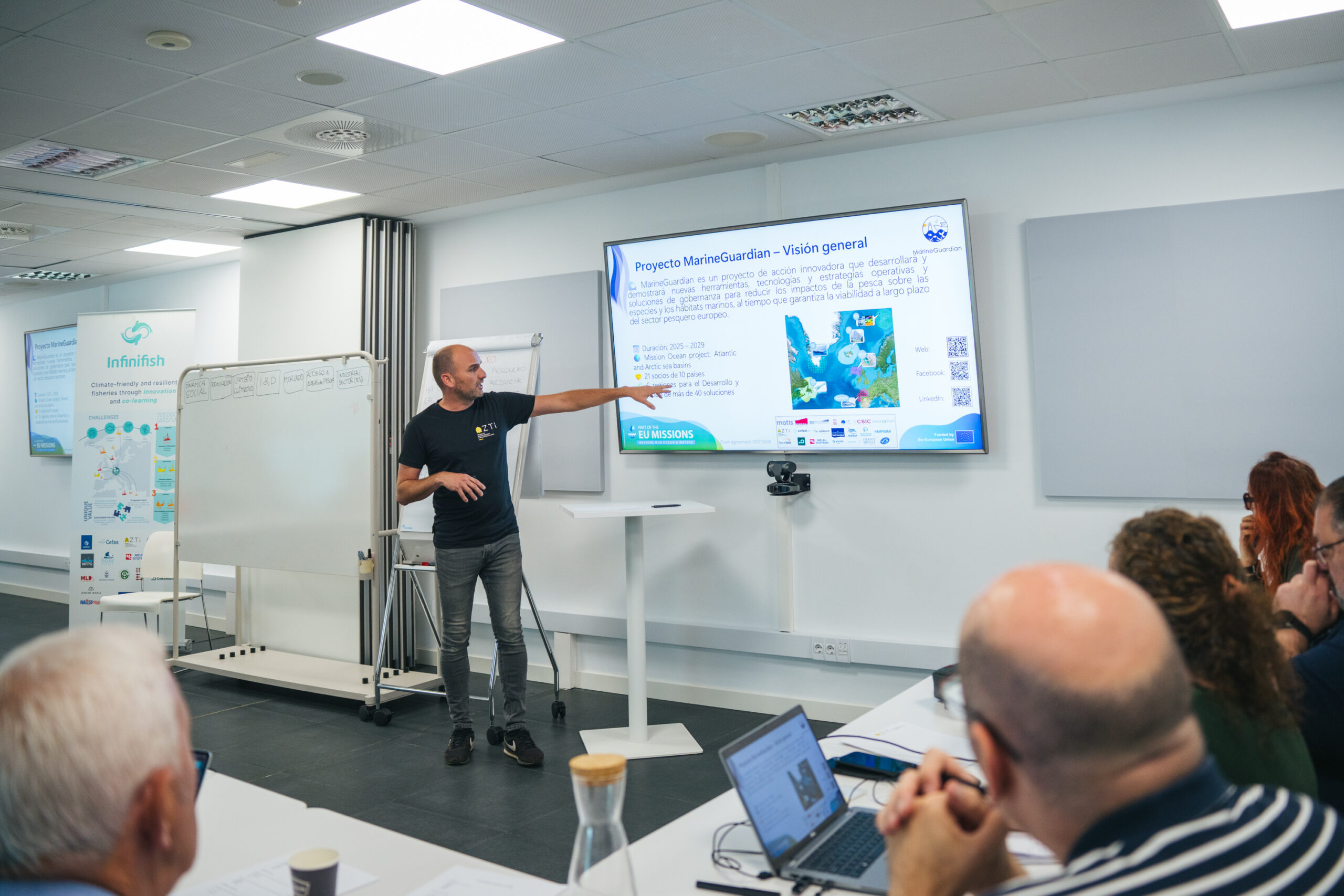
Outreach continued throughout autumn 2025, when Sjókovin hosted visits for students. Twice, on October 8th and November 13th, local students had the opportunity to visit the cluster.
During those visits, participants were introduced to Sjókovin’s EU projects, with MarineGuardian featured as part of the programme. In total, around 60 participants took part in these sessions, fostering dialogue with the next generation of marine professionals.
To end the year, at Jobmatch 2025 in december, Sjókovin met with a wide range of people interested in learning more about research careers and ongoing innovation projects. With more than 500 participants attending the event, Jobmatch provided an important opportunity to showcase MarineGuardian to a broader audience.
What are the next milestones for 2026 ?
In August 2026, Faroe Islands will host the international institute of fisheries Economics and trade conference (IIFET 2026), focusing on global dialogue for sustainable fisheries and aquaculture.
MarineGuardian has been invited to contribute to the special host session “Innovation to Reduce Climate Change Impacts to and from Fisheries”, further strengthening the project’s international visibility and local relevance.
Abstract submissions for the conference are open until 15th of February 2026 – try to secure your spot !
Through all these activities, Sjókovin plays a key role in connecting MarineGuardian with communities, students, and stakeholders in the Faroe Islands ensuring that research outcomes are shared, discussed, and rooted in local contexts.
Last summer, the MarineGuardian project took a major step forward during a real-world research campaign at sea — combining artificial intelligence, marine science, and fisheries sustainability.
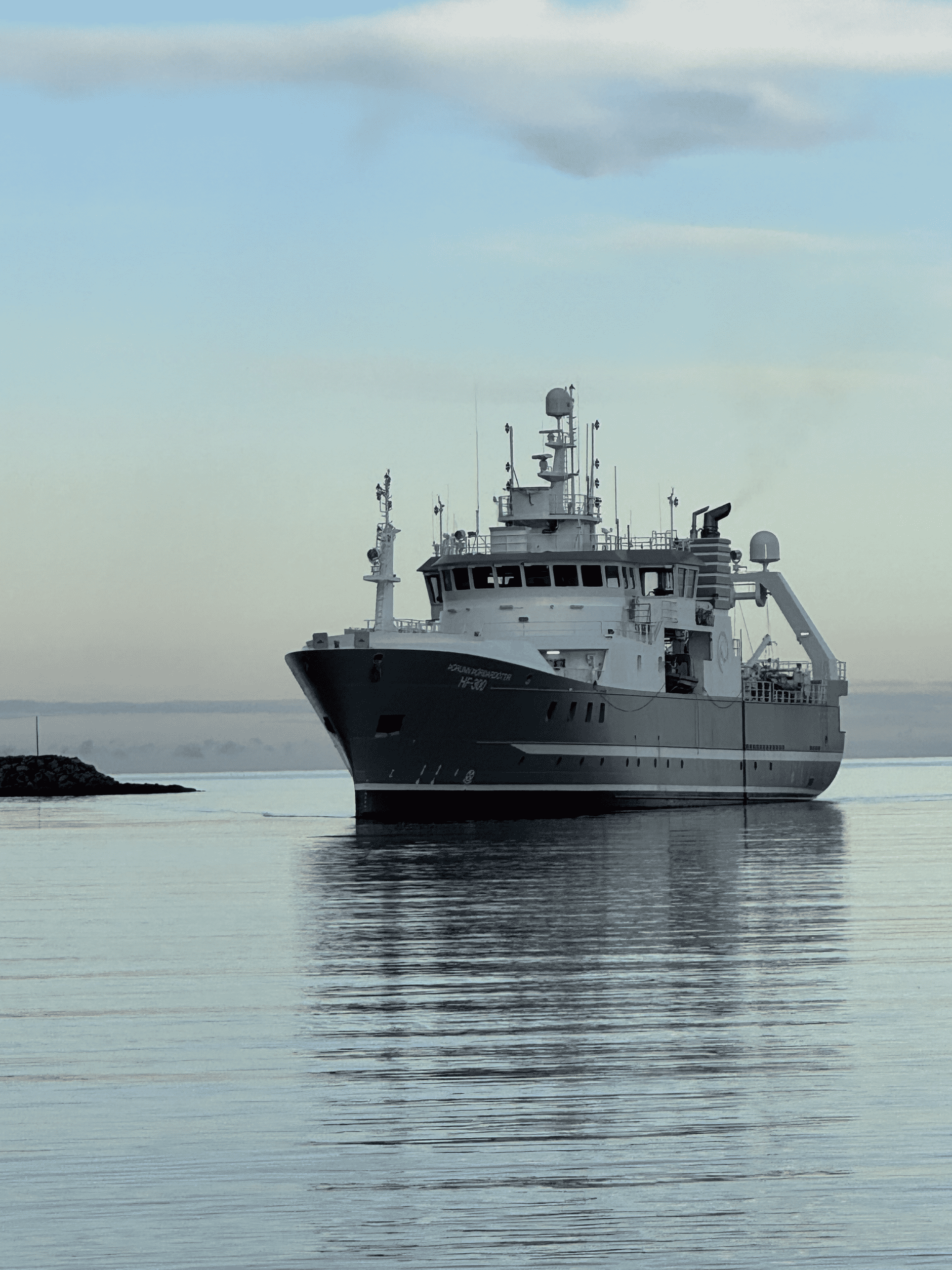
From 6 to 17 September, onboard the research vessel Miguel Oliver (a ship belonging to the General Secretariat for Fisheries of the Government of Spain) scientists and engineers from CSIC worked in the Cantabrian Northwest national fishing grounds (ICES divisions 8c and 9a), carrying out bottom-trawl operations under real fishing conditions with different selective gears.
Research vessel Miguel Oliver – belonging to the General Secretariat for Fisheries of the Government of Spain
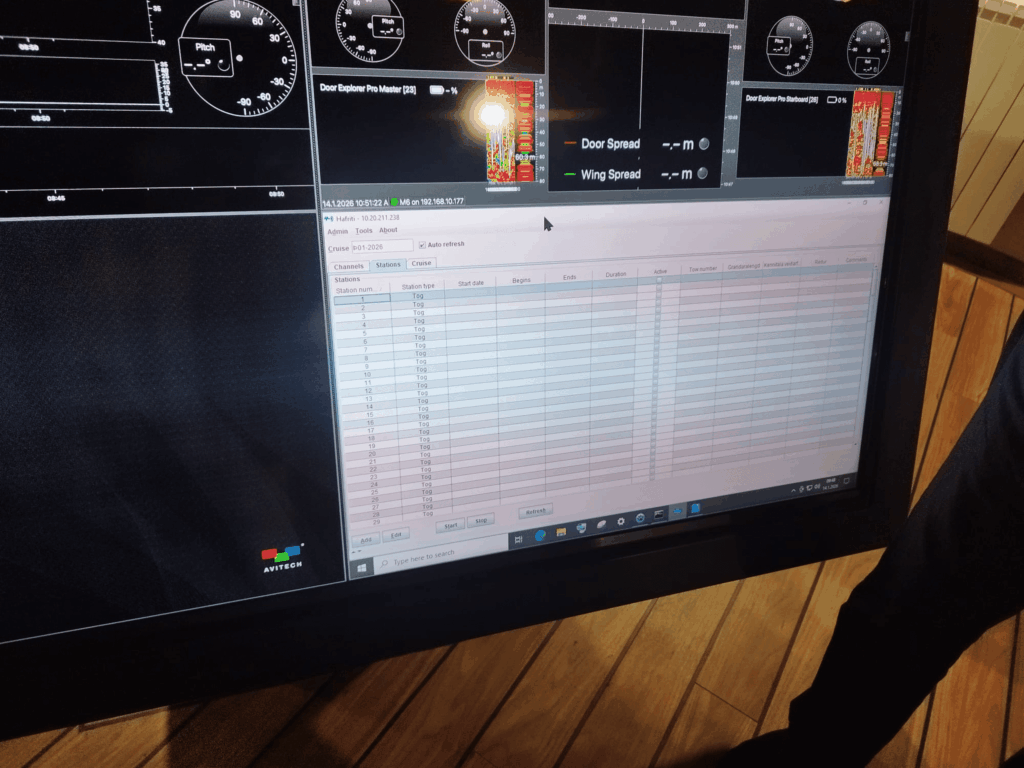
During the campaign, the scientists deployed iObserver 2.0, an electronic observer system installed over the conveyor belt in the fishing sorting area which automatically takes pictures during fish separation. Each picture is analysed using an Deep Learning (DL) image recognition model and, for each individual:
Identifies the species.
Estimates fish length and weight.
It then combines the DL output of all pictures to generate a catch report for the entire haul.
iObserver – electronic observer system set over conveyor belt on fishing vessels – advanced by CSIC
During the survey, we began developing BenthoSearcher 2.0, an advanced AI and computer vision tool, built based on the iObserver 2.0 hardware and designed to automatically detect and identify benthic species living on the seafloor. It will quantify the presence of PETS and VMEs even in complex fishing environments. When deployed on commercial vessels, the system will deliver near real-time maps that support more sustainable fishing, help avoid unwanted catches, and enhance marine habitat cartography.
Building the foundations for AI
A key objective of this trial was data collection and starting to generate a new dataset of benthic invertebrates images (by using the iObserver 2.0) that serve as indicators of VMEs (Vulnerable Marine Ecosystems) and PETS (Protected, Endangered, and Threatened Species), which will later be used to train and validate new AI algorithms to identify (and quantify) these species.
Hundreds of benthic invertebrates were carefully used for training of the AI by:
Identifying them by experts,
measuring and weighing them,
photographing them from multiple angles and positions, to create a high-quality image dataset for training future AI models by maximising the visual variety of images.
Both individual specimens pictures and multiple specimens, with and without overlap were taken to enhance the algorithm robustness and recognition accuracy. In total, more than 1,700 training images were collected, covering emblematic species such as corals, sea pens and other sensitive benthic invertebrates.
Leptometra celtica – Source: British Marine Life Pictures – Copyright: Jason Gregory
Lophelia Pertusa – Source: Publication DOI: 10.13140/2.1.3230.6247 – Copyright: Rebecca E. Ross
Why does this matters ?
By enabling near real-time identification of sensitive marine habitats and species during fishing operations, tools like BenthoSearcher 2.0 can:
support more sustainable fishing practices,
help avoid unwanted catches,
strengthen the protection of vulnerable ecosystems.
What’s next ?
The data collected during this campaign will now be used to train and validate new AI algorithms to identify (and quantify) these species which will serve as the base for the BenthoSearcher 2.0.
At the Healthy Seas and Waters by 2030 conference in Trondheim, Norway on December 4th 2025, policymakers, researchers, and industry partners gathered to discuss the actions needed to secure healthy marine ecosystems for the future. One theme cut clearly across the conference program: Europe needs innovative, scalable solutions across all ocean industries that can support both productive bioeconomic activities while also ensuring sustainable ocean biodiversity.
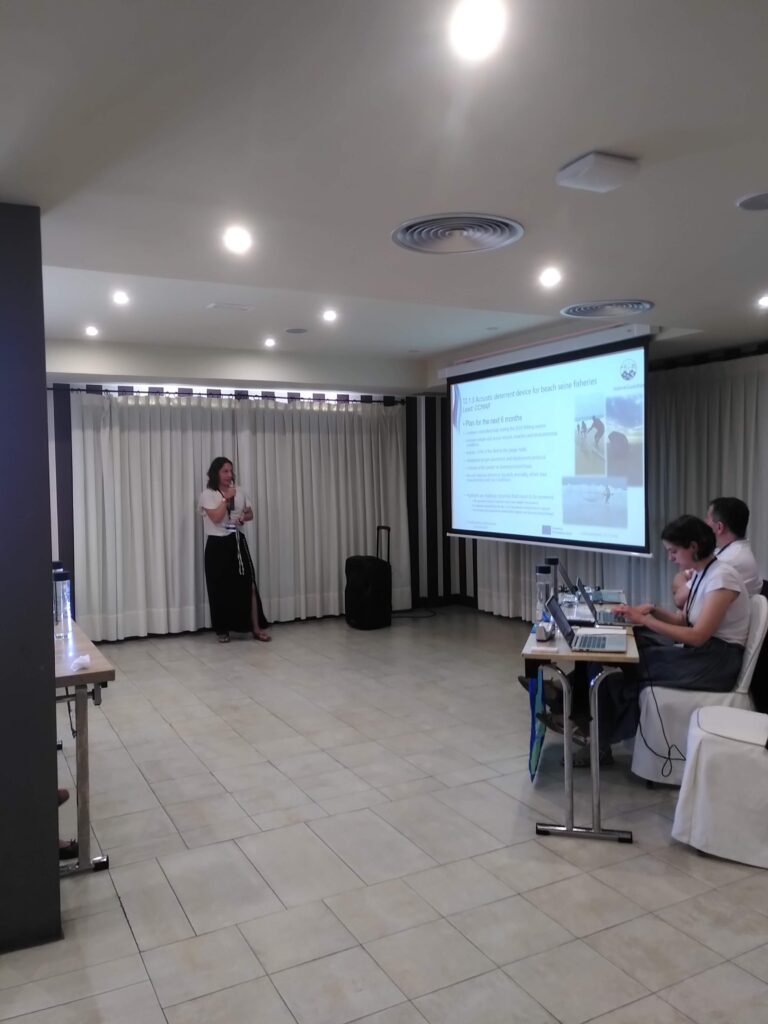
In the session “Climate-Neutral Blue Economy”, SINTEF Ocean Chief Scientist Rachel Haug Fossbakk presented the MarineGuardian project, and how its 21-partner consortium is addressing exactly these challenge through more than 40 targeted innovations aimed at reducing environmental impacts, improving data access, and strengthening long-term sustainability in the fisheries sector in the Arctic/Atlantic sea basins.
Here are five key insights from the conference — and how MarineGuardian is contributing to the transition.
1. The urgency is real — and solutions must be implemented at scale
Europe’s coastal ecosystems are under increasing pressure. Today, 79% of coastal seabed habitats are affected by bottom-trawling, 38% of global fish stocks are overfished, and over one million protected or vulnerable species are taken as bycatch each year.
MarineGuardian’s work responds directly to this reality. By combining technology, data, and operational strategies, the project aims to reduce bycatch, protect sensitive habitats, and improve efficiency in fisheries — helping move the sector toward climate neutrality and ecological resilience.
2. MarineGuardian supports both global and the EUs biodiversity and sustainability commitments
The project aligns closely with several targets defined in the EU Nature Restoration agenda and the Kunming-Montreal Global Biodiversity Framework, including the 30×30 goal of 30% protection of land and sea by 2030, but also ensuring continued sustainable use of marine resources, and the adoption of nature-positive industry practices.
MarineGuardian contributes by developing:
Selective and low-impact fishing solutions;
Real-time monitoring and reporting systems;
AI-driven decision support tools; and
Guidelines and operational strategies to integrate new technologies into real fishing operations
Together, these innovations help bridge the gap between policy ambitions and practical implementation, which is also critical when high level ambitions at global arenas need to be translated to local realities.
3. Co-development with users is essential — and central to the MarineGuardian project
A key message from the presentation by Dr. Fossbakk, who is also leader of WP1 in MarineGuardian on Multi-level governance and stakeholder co-production of knowledge was that technology uptake depends on understanding real operational needs with industry and technology partners and end users – across different geographical locations and fisheries. MarineGuardian therefore works closely with:
fishers and vessel operators
technology and gear developers
managers and policymakers and
scientific experts and training providers
The project’s six case studies – spread across European fisheries along the Arctic/Atlantic sea absin, as well as a case in Canada – ensure that solutions are tested under diverse environmental, regulatory, and operational conditions. This approach strengthens both relevance and scalability of the innovations developed in the project.
4. Backcasting helps identify what must change for innovations to succeed
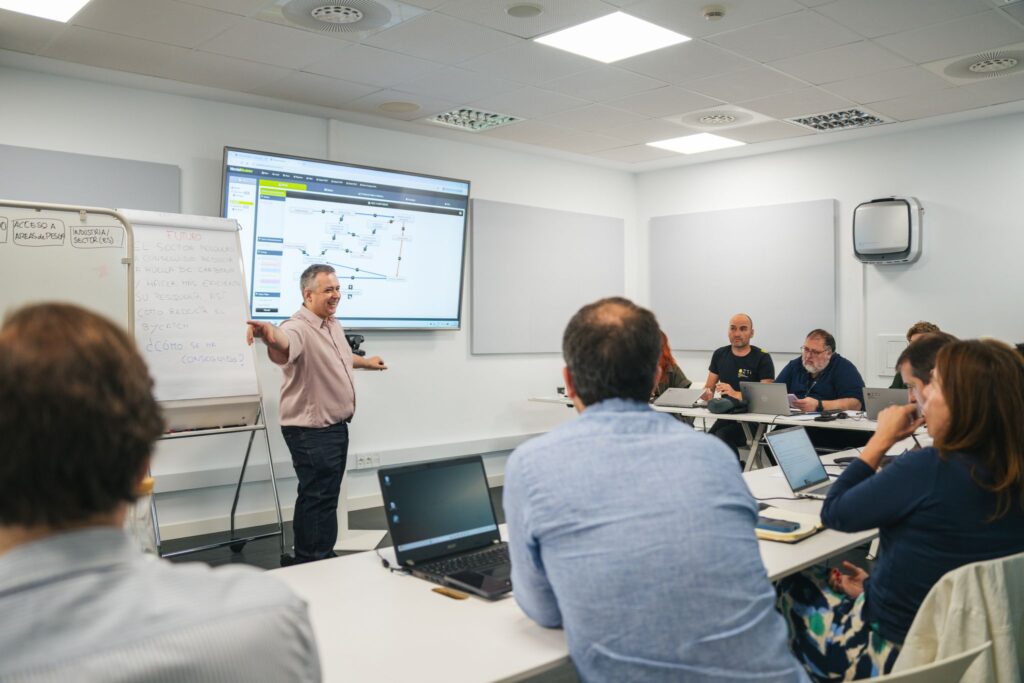
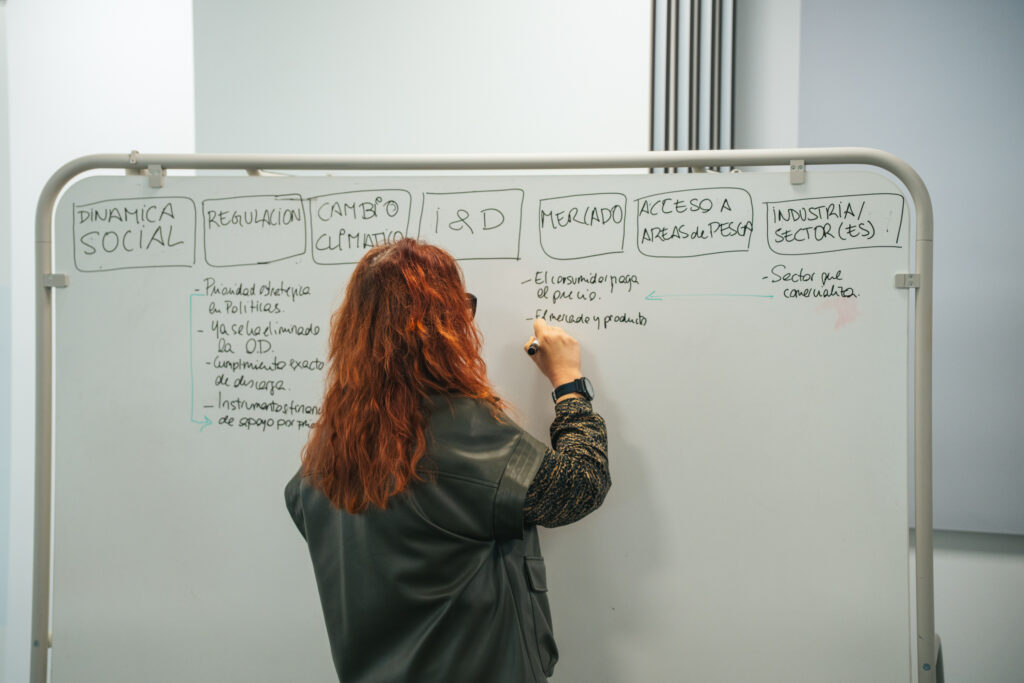
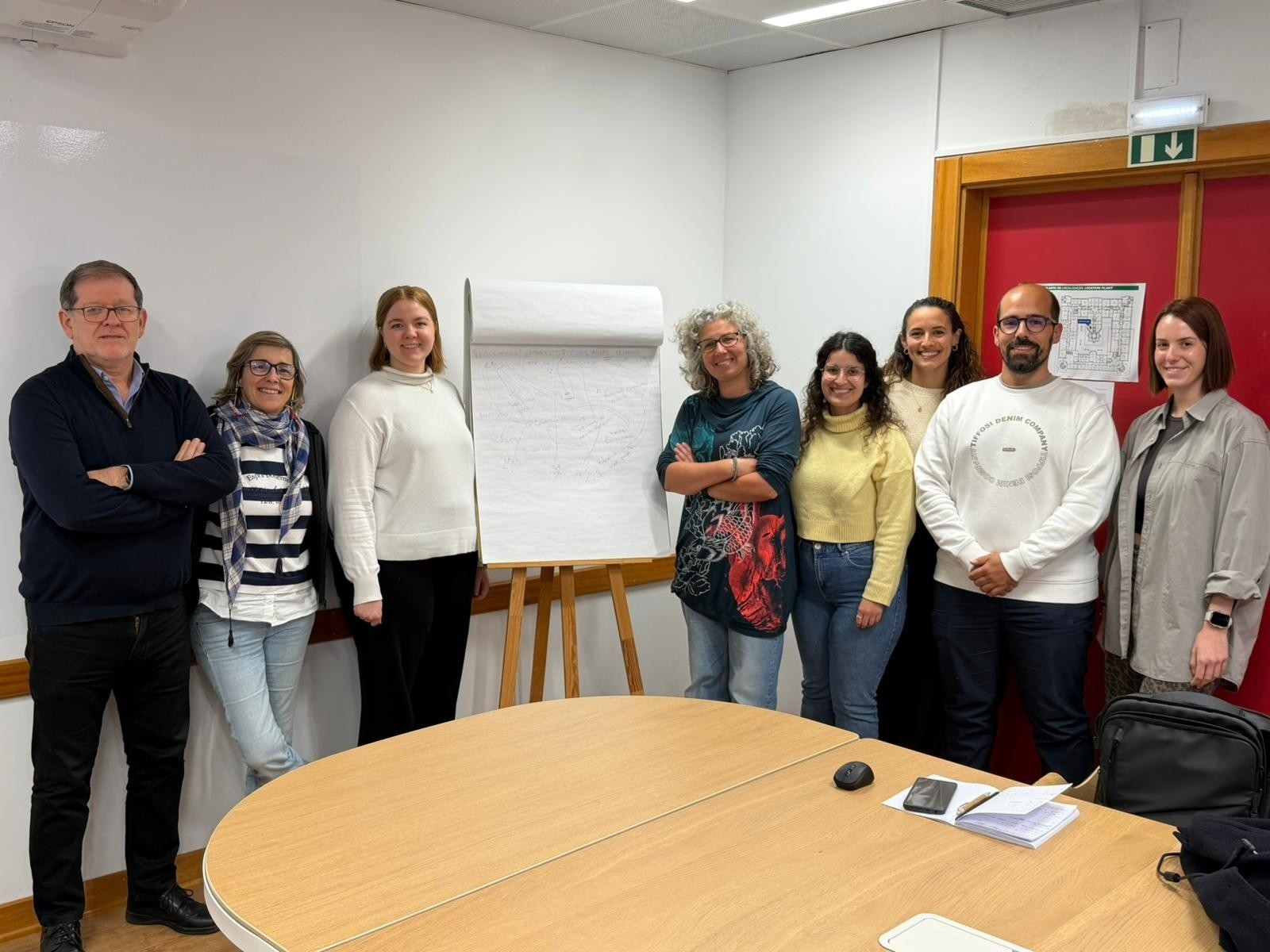
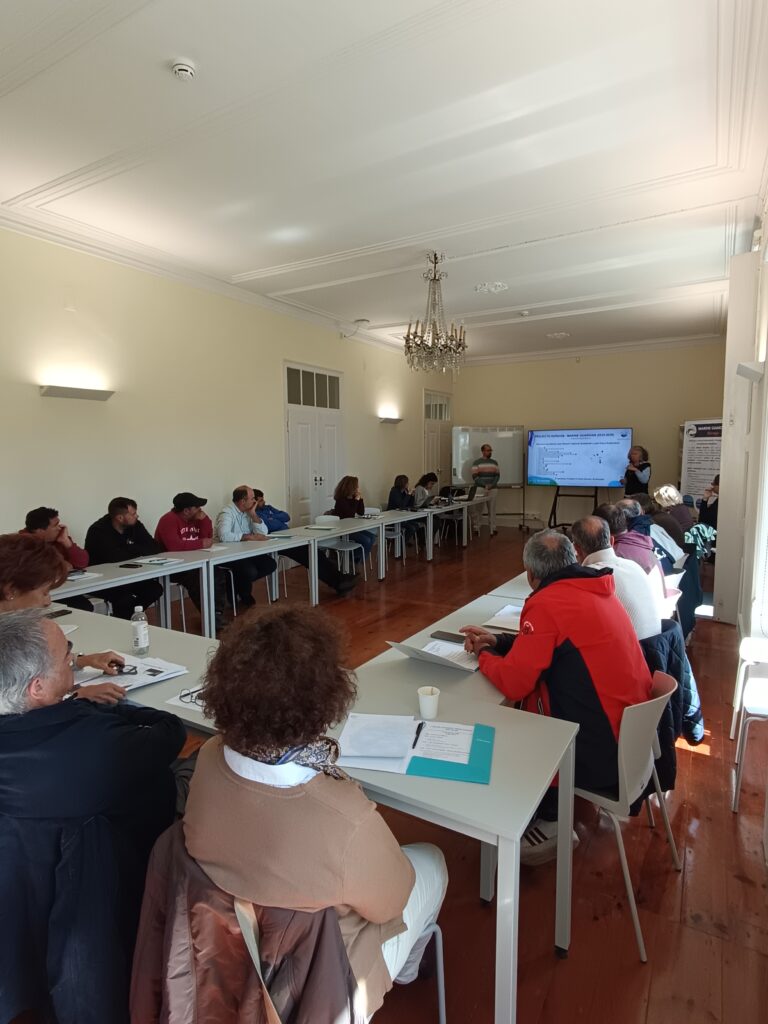
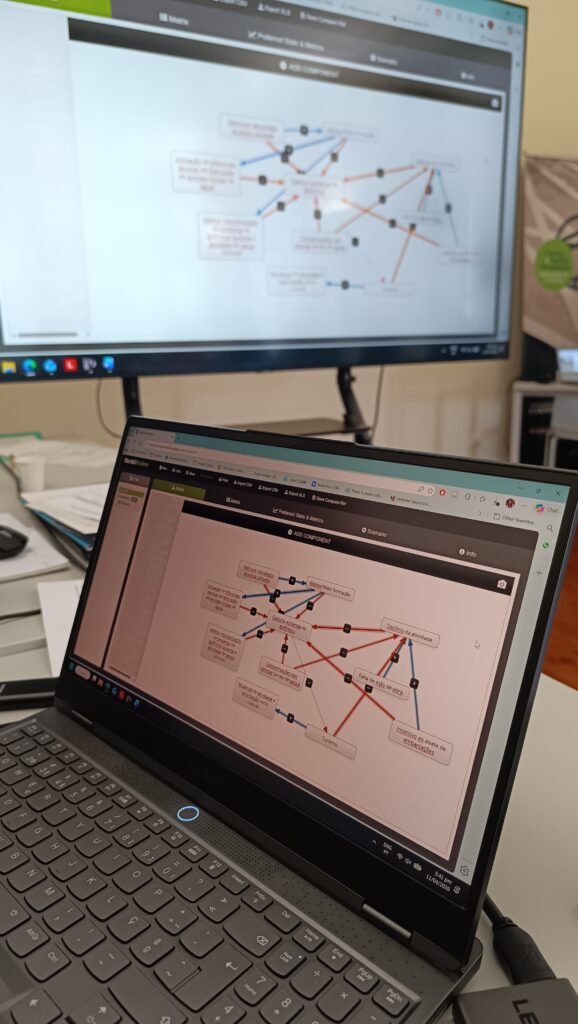
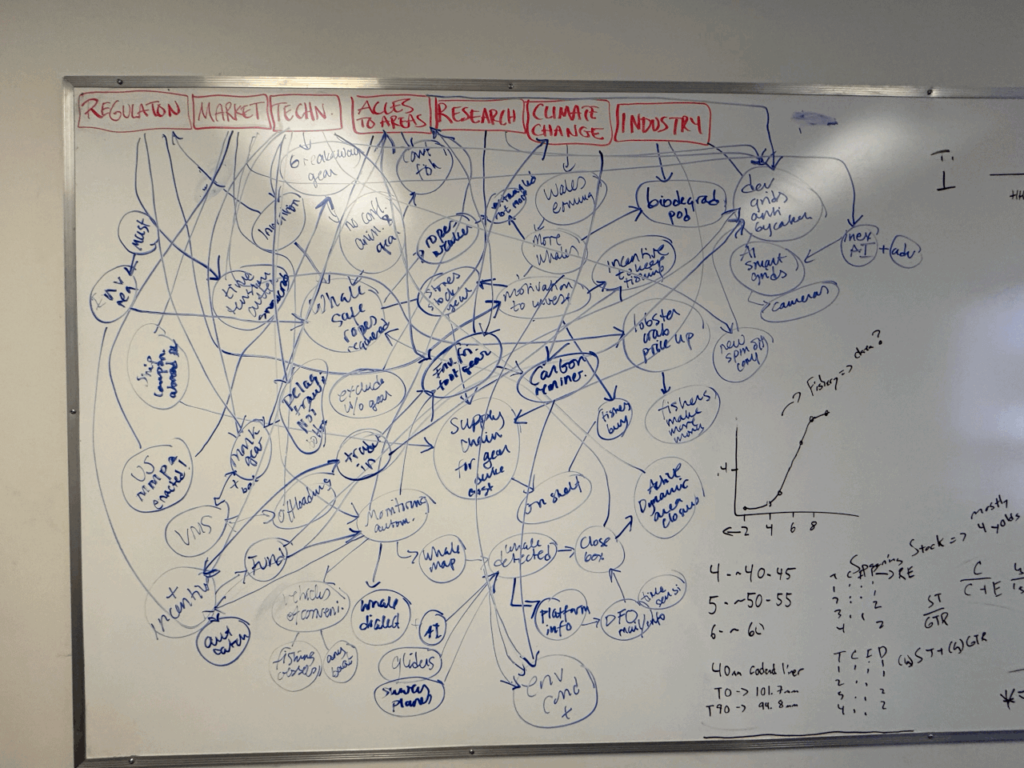
MarineGuardian uses a forward-looking approach known as backcasting. When using this method, we ask stakeholders to envision themselves in a future 2040 scenario where monitoring systems, AI tools, and advanced sensors are standard and accepted equipment across the fishing fleet in all areas. Stakeholdres are then asked to consider how we reached this future scenario, and identify the steps that would have needed to have been taken to make that scenario achievable.
In a first overarching workshop, with the transdisciplinary consortium of the MarineGuardian project as stakeholders, results highlighted the importance this group placed on the need for the following aspects to be achieved for the successful and effective implementation of the 40+ innovations of the project, namely:
supportive regulatory frameworks
market and value-chain incentives
technological readiness and affordability of innovations
flexible access to fishing grounds and
strong engagement from industry stakeholders
By working backwards, the MarineGuardian project participants – representing industry, technology, regulatory agencies and scientists – emphasized what barriers must be addressed to enable real-world adoption. This methodology will in the next six month also be used in all six case areas – ensuring cross-case methodological comparability.
5. CatchScanner illustrates how research–industry collaboration accelerates progress
The presentation also featured an example of one of these innovations, namely the CatchScanner developed by Melbu Systems, with research collaborations with SINTEF Ocean. This is an example of how innovations emerges when industry experience and research expertise converge, and industry become parts of research projects.
Using 3D imaging and artificial intelligence, the CatchScanner can identify species and estimate size and weight in real time of fish that are brought on board the fishing vessel, offering a more reliable, cost-effective solution for onboard catch registration. In the future, once widely implemented, this technology will support compliance by design, improve data quality, and help fishers reduce unwanted catch of juvenile or vulnerable species – while also making fishing operations more effective and less uncertain in terms of weight estimation and possible fines. Melbu Systems’ rapid development in northern Norway furthermore also demonstrates how technological innovation can also create local economic value and support resilient coastal communities.
Looking ahead
A sustainable fisheries sector that contributes to food security, supports coastal communities, and meets global and regional biodiversity and climate objectives is within reach — but only if we equip users with the right tools and the right knowledge at the right time. MarineGuardian’s 40+ innovations are designed to make this transformation operational, by providing the technologies, data systems, and governance insights needed for more selective, transparent, and environmentally responsible fisheries.
This aligns directly with the ambitions of the EU Mission “Restore our Ocean and Waters”, which calls for measurable reductions in pollution, regeneration of marine and freshwater ecosystems, and a sustainable, carbon-neutral blue economy. The conference made one thing clear: the solutions are emerging, the momentum is building, and MarineGuardian stands as a concrete pathway for turning Mission Ocean goals into real change in the Arctic and Atlantic sea basins.
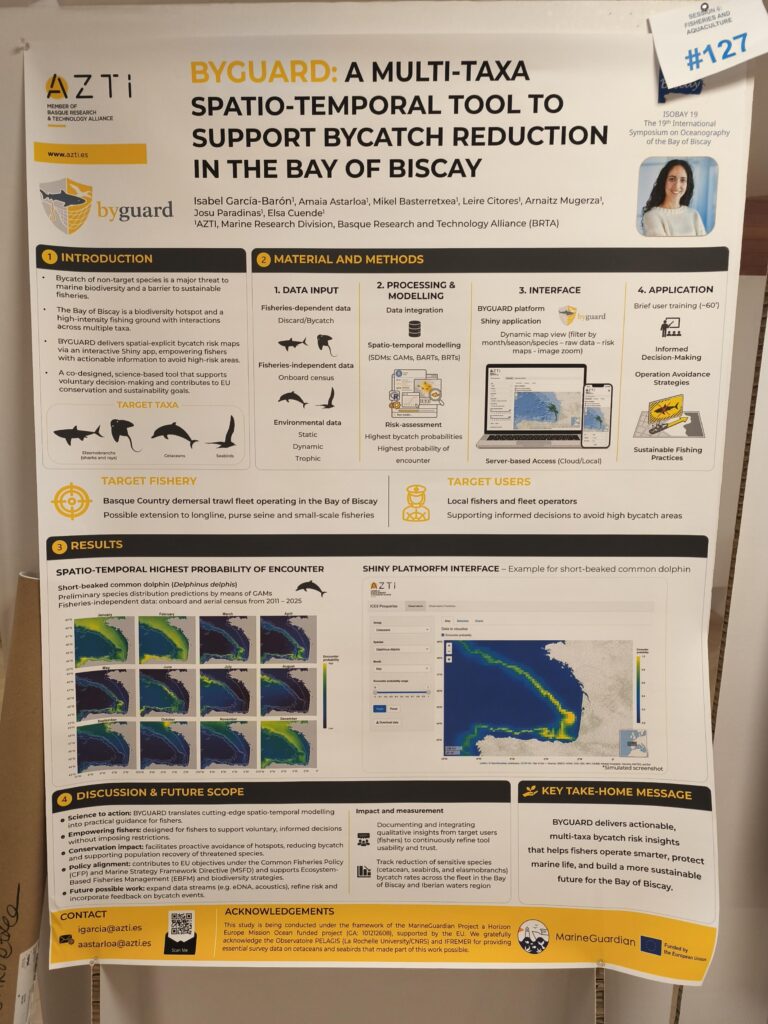
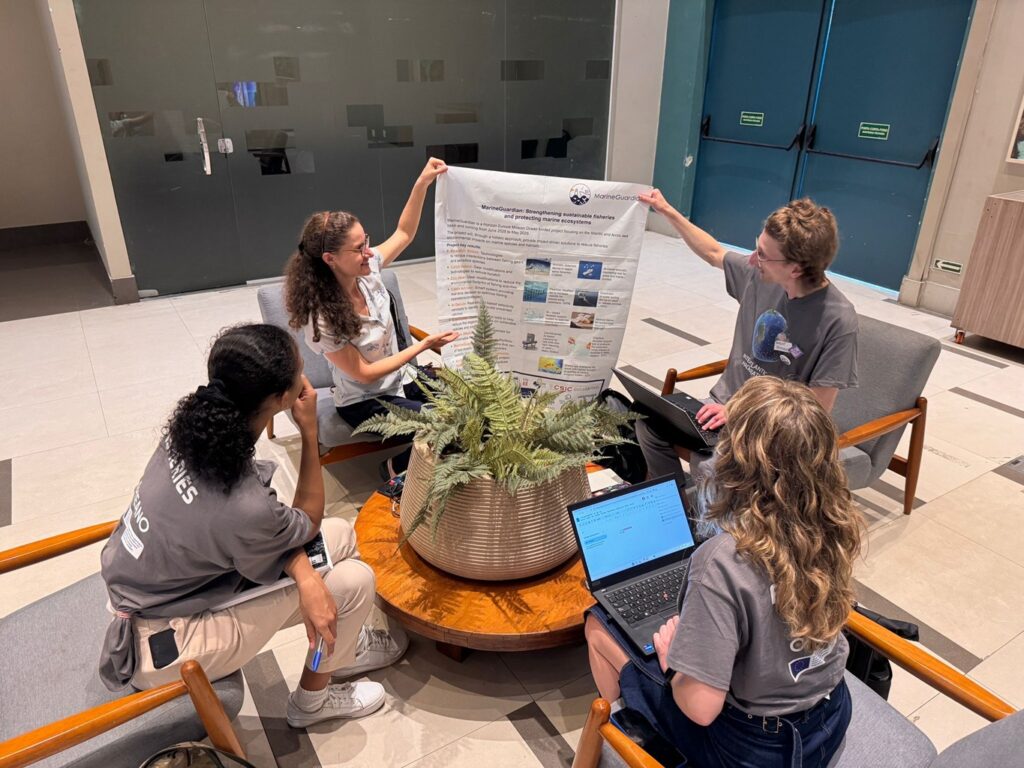
At the ICES – MISSION ATLANTIC Integrated Ecosystem Assessment (IEA) Symposium on 17-18 November 2025, the Marine Guardian WP5 Lead on Impact Maximisation, Caecilia Managò (ICES), represented the project with a poster showcasing the Key Exploitable Results – scalable fishing gear solutions – to reduce bycatch and supporting sustainable and economically viable fisheries in the Atlantic and Arctic basins.
Presentations on the Integrated Ecosystem Assessment (IEA) research findings illustrated in Sanky diagrams how different sectors generate pressures and how these affect ecological components. Across the Atlantic, from South Africa to Trinidade Island (Brazil) and at basin scale, bycatch was identified as a major pressure on marine ecosystems.
At the same time, advice from the International Council for the Exploration of the Sea (ICES) on Bycatch of endangered, threatened and protected (ETP) species highlights that bycatch mitigation is complex and requires tailored combinations of alternative gears, spatial measures (e.g. Marine Protected Areas (MPAs)), and temporal measures such as seasonal closures).
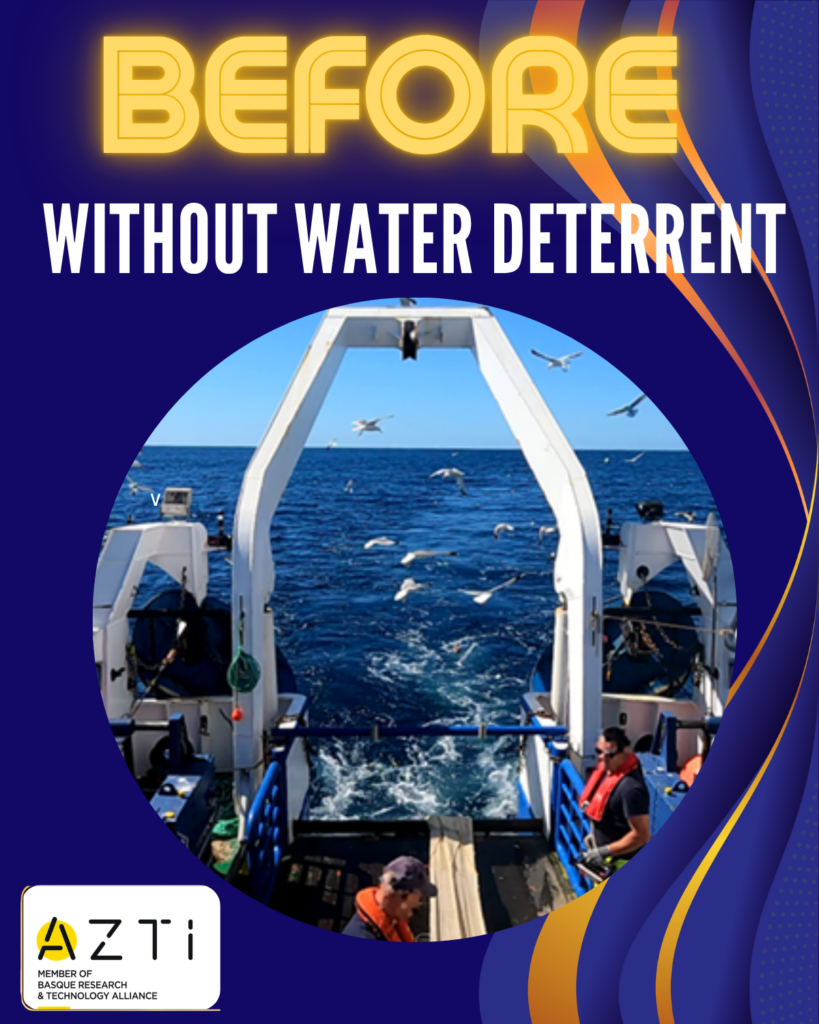
The Marine Guardian project addresses this challenge by bringing forward innovative fishing gear designed to reduce incidental catches, protect sensitive species and habitats, and support economically viable fisheries. Among these solutions, devices like Smartrawl enable fishers to safely release non-target species before harm occurs, demonstrating how technology can translate scientific insights into practical, real-world results (Here is the overview of the MarineGuardian solutions).
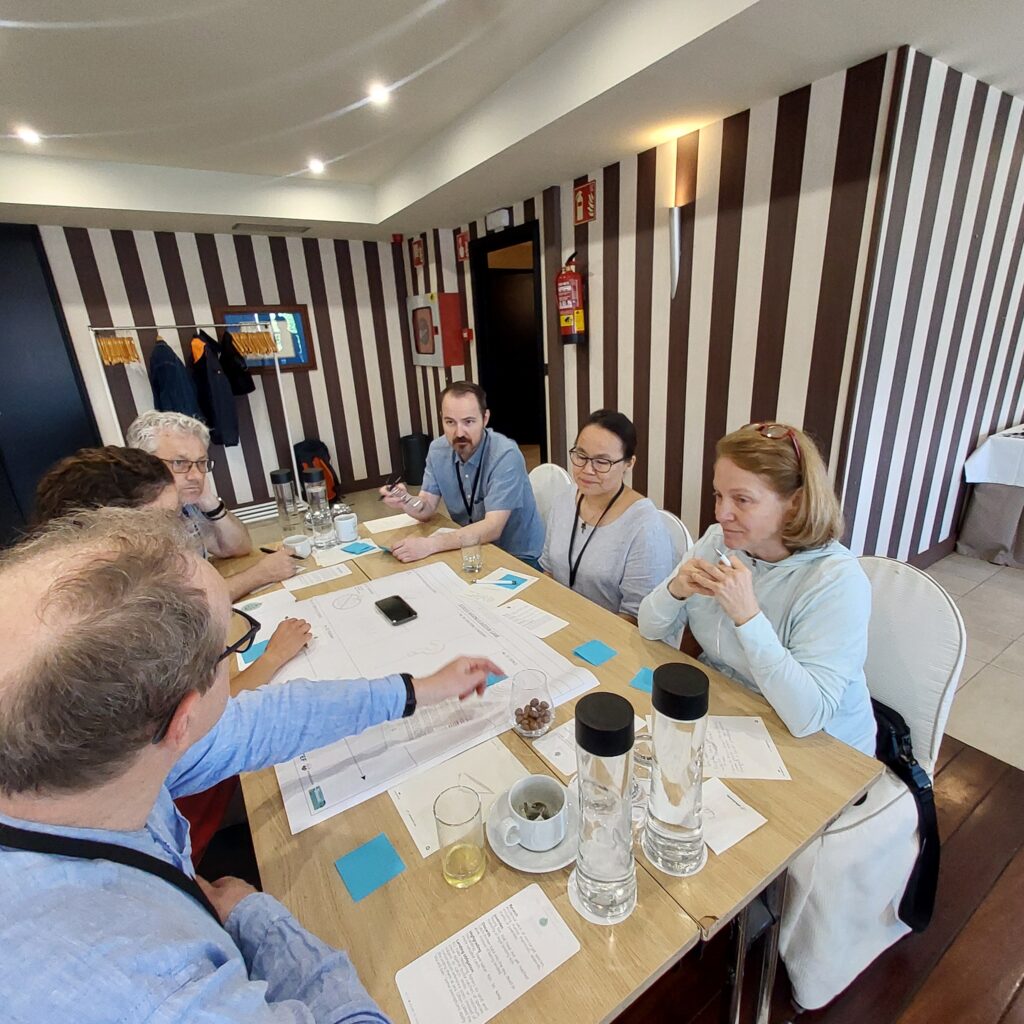
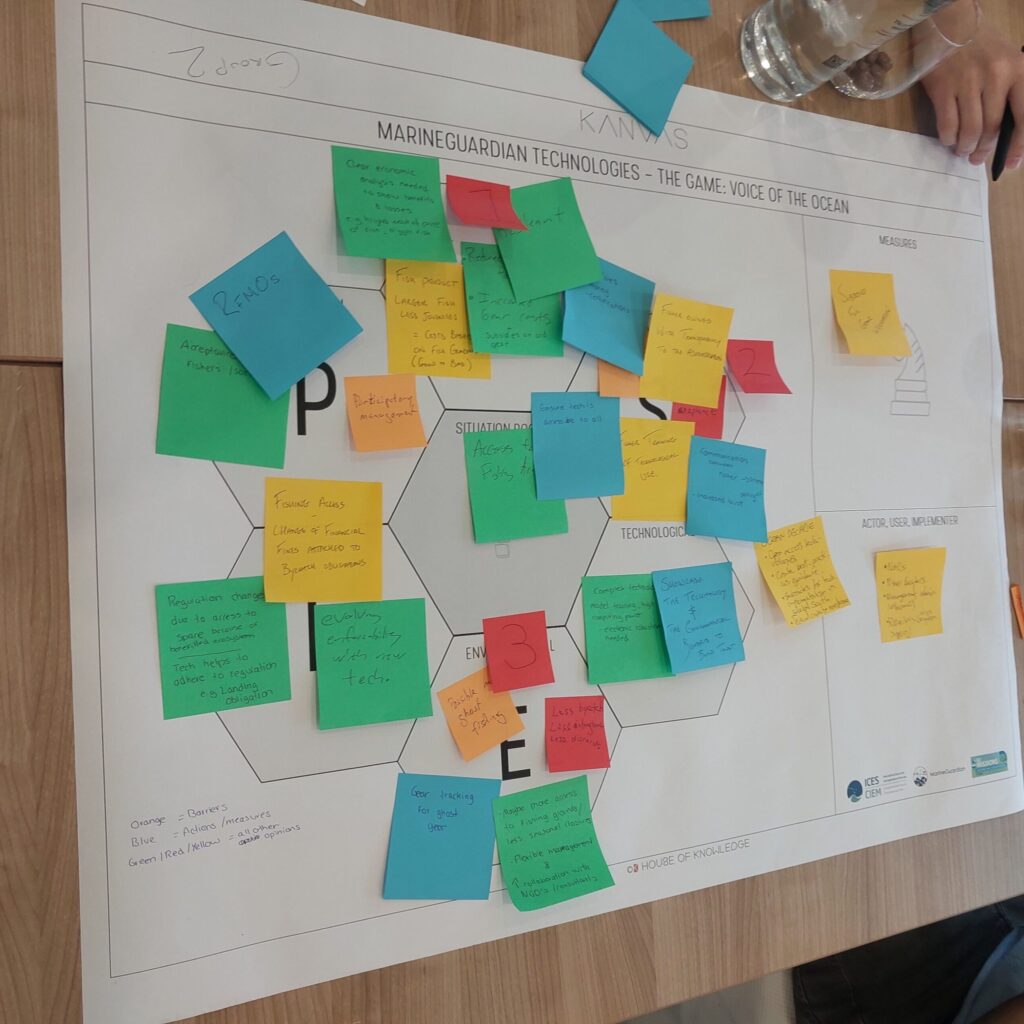
In relation to MPAs, MarineGuardian collaborated with the BioProtect Project at the Symposium, playing a role-game facilitated by Sophie Jensen (Matís, BioProtect Coordinator). The game simulates stakeholder perspectives in MPA management, exploring trade-offs between conservation, fisheries, and community needs, showing how gear innovation, spatial planning, and temporal measures need to be addressed in an integrated way, to achieve effective and sustainable Ecosystem Based Fisheries Management.
Based on the research findings shown at the Symposium, the science-based advice by ICES, MarineGuardian developments for innovative fishing gear and BioProtect stakeholder perspectives, we can co-deliver measurable impact: reducing bycatch, protecting sensitive habitats, and supporting sustainable livelihoods in fisheries—critical steps toward the EU Mission ‘Restore our Ocean and Waters’ Objectives.
Manage Consent
To provide the best experiences, we use technologies like cookies to store and/or access device information. Consenting to these technologies will allow us to process data such as browsing behavior or unique IDs on this site. Not consenting or withdrawing consent, may adversely affect certain features and functions.
Functional
Always active
The technical storage or access is strictly necessary for the legitimate purpose of enabling the use of a specific service explicitly requested by the subscriber or user, or for the sole purpose of carrying out the transmission of a communication over an electronic communications network.
Preferences
The technical storage or access is necessary for the legitimate purpose of storing preferences that are not requested by the subscriber or user.
Statistics
The technical storage or access that is used exclusively for statistical purposes.The technical storage or access that is used exclusively for anonymous statistical purposes. Without a subpoena, voluntary compliance on the part of your Internet Service Provider, or additional records from a third party, information stored or retrieved for this purpose alone cannot usually be used to identify you.
Marketing
The technical storage or access is required to create user profiles to send advertising, or to track the user on a website or across several websites for similar marketing purposes.