
Portfolio of decision support tools to help reduce the impact of fisheries on vulnerable species and areas
EcoGuide is the fourth key exploitable result of the MarineGuardian project, bringing together a suite of decision support tools designed to help fishers, fleet managers, and policymakers reduce the ecological footprint of fishing activities on sensitive species, benthic habitats, and protected areas.
Fisheries operate in complex and dynamic marine environments where interactions with vulnerable species, including cetaceans, seabirds, benthic communities and sensitive habitats are difficult to anticipate and monitor. At the same time, the designation of marine protected areas creates new constraints that must be balanced against the socioeconomic realities of fishing communities. Addressing these challenges requires tools that are practical, data-driven, and designed with the fishing sector in mind.
The EcoGuide portfolio responds to this need by combining advances in artificial intelligence, electronic monitoring, spatial modelling, and socioeconomic simulation. Each tool targets a specific pressure point in the relationship between fishing operations and the marine environment, offering actionable guidance to reduce impacts without disrupting the viability of commercial fisheries.
For more details on each solution, click on the associated picture.
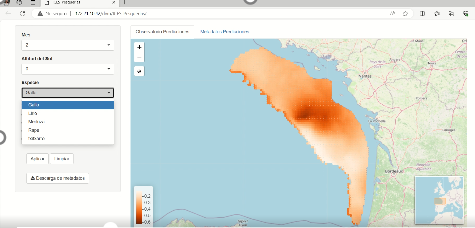
Bycatch risk maps tool – AZTI
A user-friendly app to display the areas with the highest bycatch probabilities at various temporal scales
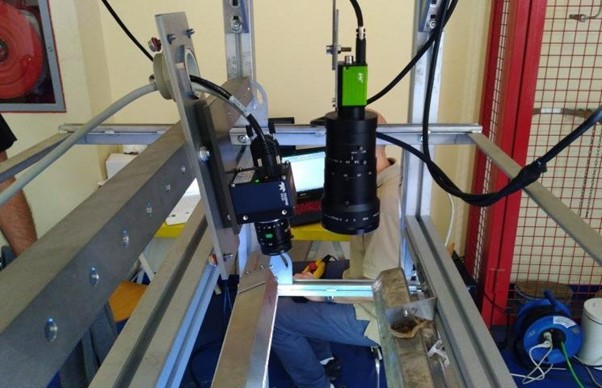
BenthoSearcher 2.0 – CSIC
An AI-algorithm fed with images/video from electronic monitoring system to allow fleets to monitor benthic ecosystems and bycatch in real-time
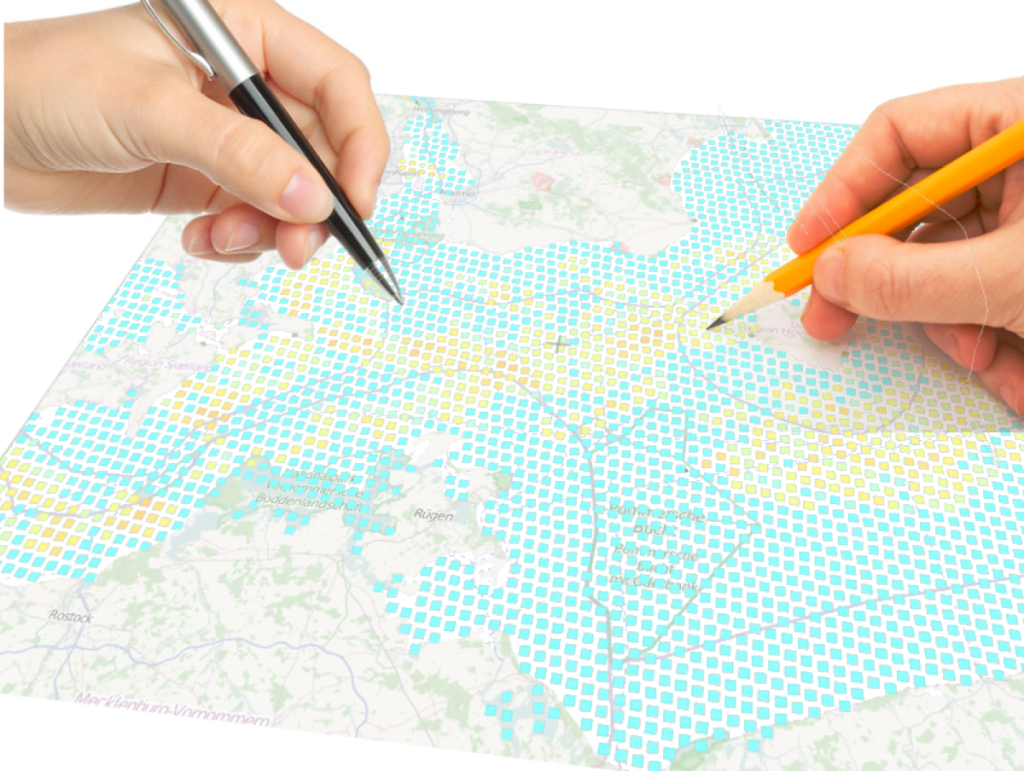
Displace software – DTU
A decision support tool to evaluate socioeconomic impacts on fisheries in marine protected area design (i.e., vulnerable marine ecosystems, other vulnerable habitats, and sensitive species)
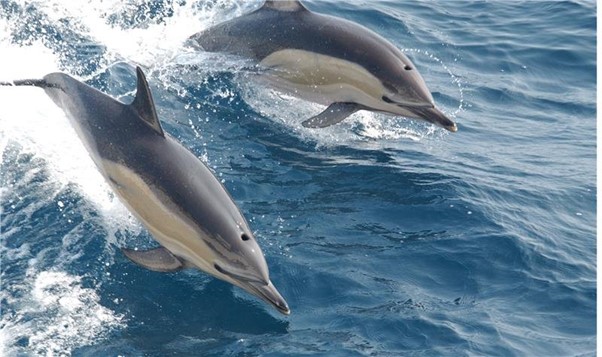
i-eye – AZTI
An AI-based automated monitoring of cetacean and seabirds in demersal trawl fisheries
Why this matters ?
Fisheries interact daily with some of the most vulnerable components of the marine environment: protected species, sensitive benthic habitats, and areas under conservation pressure. Without adequate tools to anticipate, monitor, and respond to these interactions, the ecological costs of fishing can be significant and, in many cases, avoidable.
Improving the ability of the fishing sector to identify and reduce these impacts is critical for:
- Protecting vulnerable species, including cetaceans and seabirds, from incidental capture and disturbance
- Monitoring and safeguarding benthic ecosystems, which support broader marine biodiversity and long-term fisheries productivity
- Informing smarter spatial management, ensuring that marine protected areas and conservation measures are designed with a realistic understanding of their socioeconomic consequences for fishing communities
- Enabling evidence-based, real-time decision-making at sea and on shore, replacing reactive responses with proactive, data-driven practices
- Supporting regulatory compliance and the transition toward ecosystem-based fisheries management
