Salvador de Bahia, Brazil – April 2026
At the All-Atlantic Ocean Research and Innovation Alliance Forum 2026, held from 13–17 April in Salvador, Bahia, the MarineGuardian Project proudly supported one of the most impactful outcomes of the Intergenerational Ocean Hackathon: the resounding success of the Early Career Ocean Professionals (ECOPs) team in Challenge 4, “Connecting Data to Decisions for Small-Scale Fisheries and Aquaculture.”
Co-sponsored by International Council for the Exploration of the Sea, the challenge tackled a critical global issue— how to transform complex and fragmented ocean and climate data into practical, actionable decisions for small-scale fisheries (SSF) and aquaculture operators.
From Data Overload to Real-World Decisions
Small-scale fisheries and aquaculture are vital to coastal livelihoods across the Atlantic basin. Yet, as highlighted during the challenge, the barrier is no longer data scarcity—but the difficulty of translating diverse data streams into clear, timely, and context-relevant decisions. Climate change further intensifies this gap, shifting environmental baselines and increasing uncertainty for fishers and managers alike.
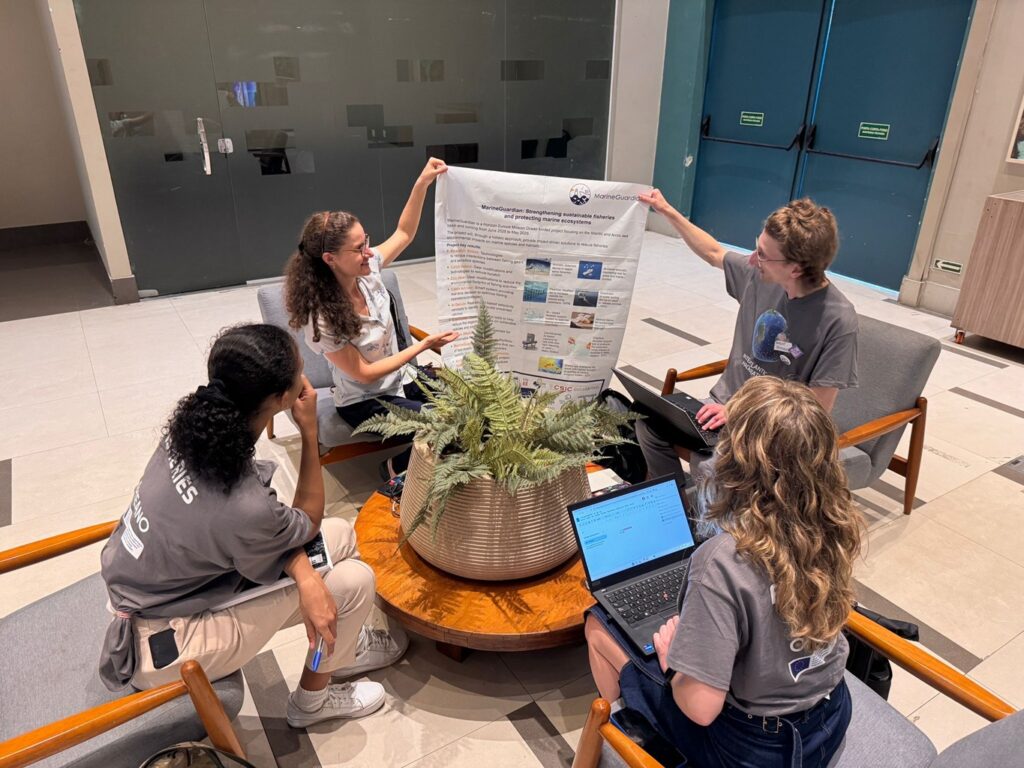
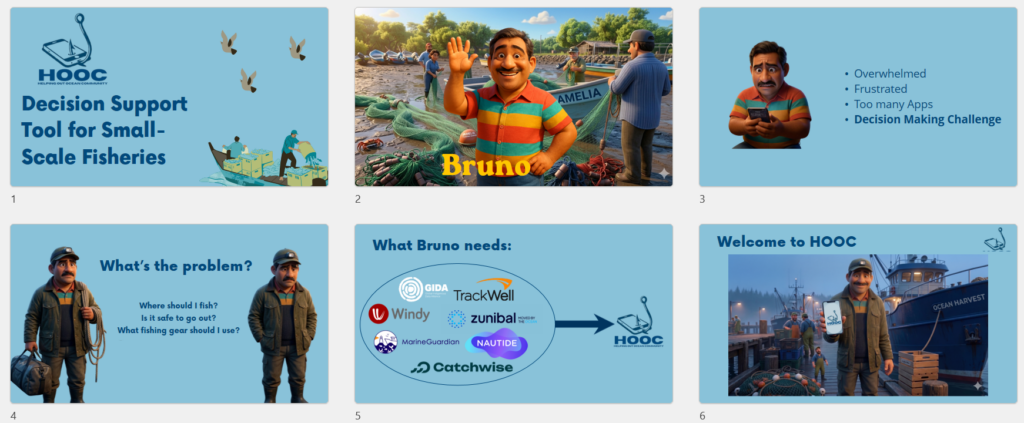
The ECOPs team responded with an innovative prototype: a Decision Support Tool (DST) for Small-Scale Fisheries, designed to bridge this gap. Their solution integrates and builds upon key MarineGuardian technologies—Catch Advisor, AI-Decide, and Eco Guide—bringing them together into a unified, user-oriented system.
Elevating MarineGuardian Solutions
By combining these tools, the ECOPs moved beyond individual applications toward a cohesive platform that enables:
- Data-driven decision-making on gear selection, fishing areas, and seasons
- Climate-aware insights, incorporating risk, resilience, and ecosystem sensitivity
- Biodiversity-positive practices, supporting sustainable marine resource use
- Accessible, mobile-friendly interfaces, suitable for use directly by fishers at sea
This integration marks a significant step forward for the MarineGuardian Project, demonstrating how its solutions can be scaled and adapted for real-world implementation across diverse contexts.
A Human-Centred Approach
A standout feature of the winning proposal was its focus on usability and storytelling. The team illustrated their solution through the experience of “Bruno,” a local fisherman, showing how daily decisions—where to fish, which gear to use, when to go out—could be improved through accessible, tailored insights.
This approach underscored a key message of the hackathon: data only becomes valuable when it is usable and relevant to the people making decisions.
Recognition and Collaboration
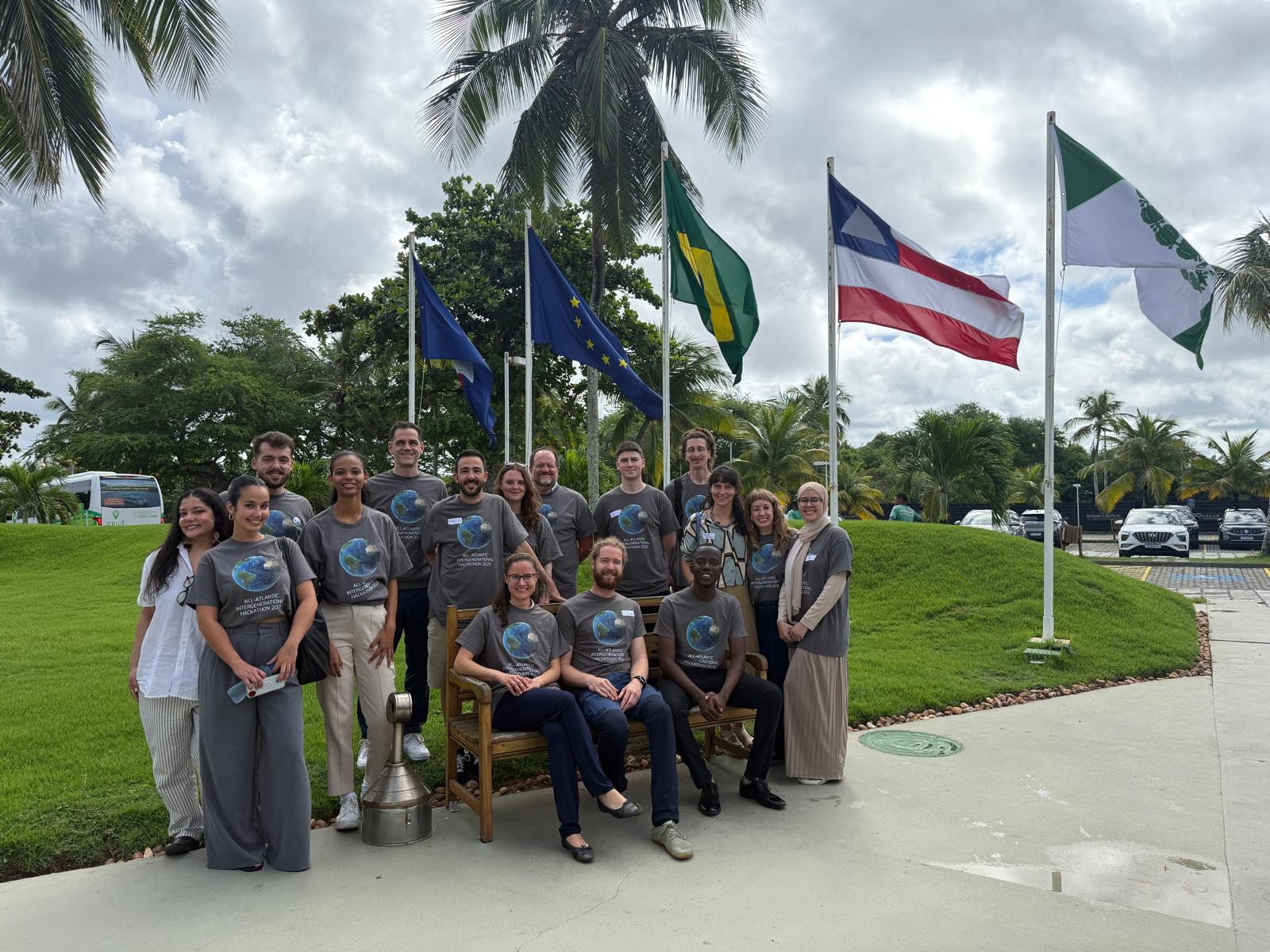
The ECOPs team’s work earned the Hackathon Champion Award, taking top recognition across all categories. Their achievement reflects not only technical excellence, but also the collaborative spirit fostered by the AAORIA Forum.
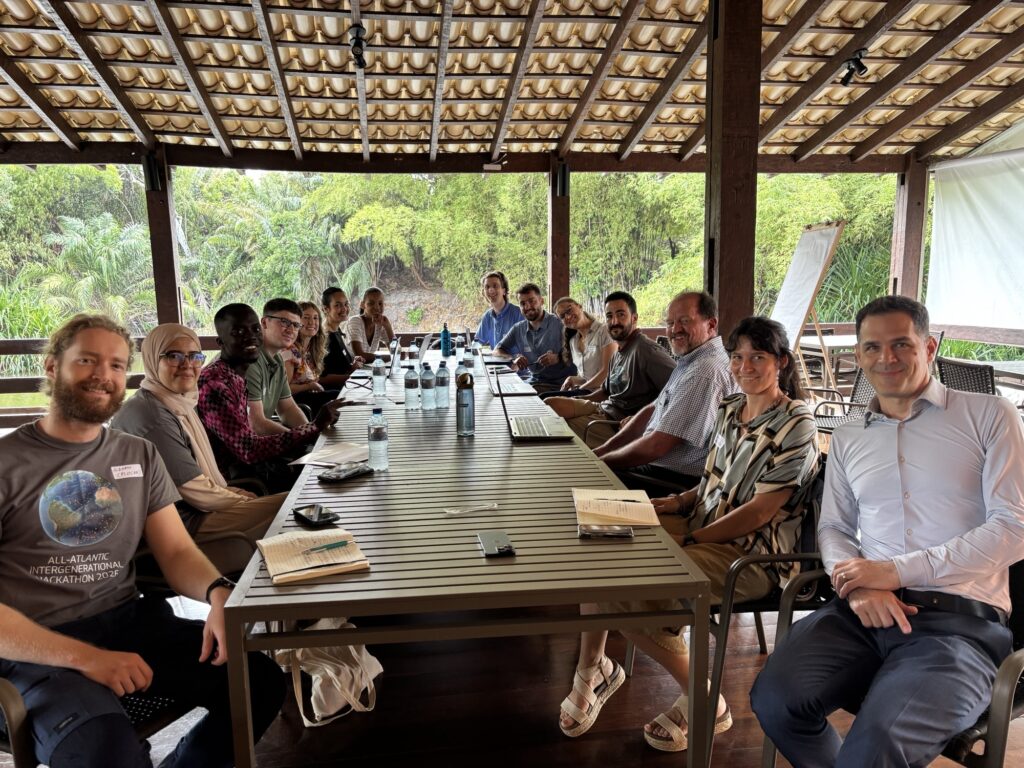
The success of Challenge 4 was driven by an outstanding and truly international team of Early Career Ocean Professionals (ECOPs), including Jasleen Jawanda, Ariadna Gorostegui Valenti, Ben Hunter, Wiam Touzani, Robert Mussgnug, Pablo Marro, Ramón Sancha, Conway Holroyd, Peter Teye Busumprah, Mariana Bordes Bueno, Gianluca Ristori Ramos and Amanda Lima. Bringing together diverse expertise across marine science, data analysis, technology, and stakeholder engagement, the team demonstrated exceptional creativity, teamwork, and dedication under pressure. Their collaborative spirit and ability to translate complex scientific concepts into a practical, user-oriented solution were central to the development of the Decision Support Tool for Small-Scale Fisheries.
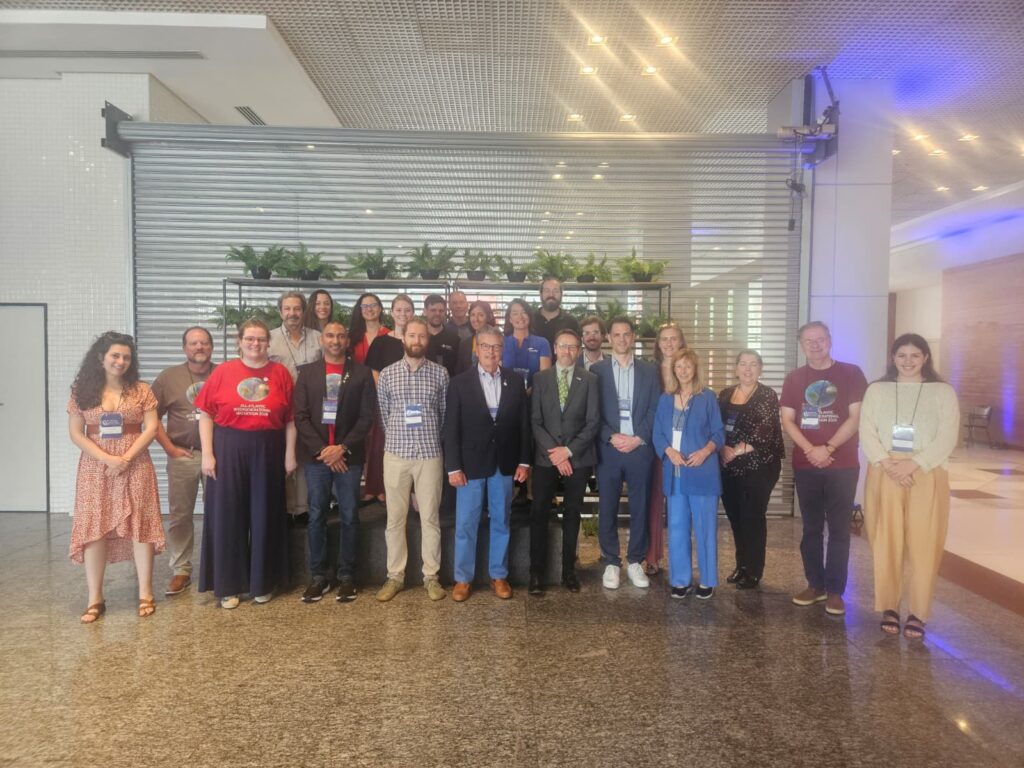
Supported by a dedicated group of mentors and experts—including Harald Hasler-Sheetal and Caecilia Manago, who lead the Impact Maximisation Work Package within the MarineGuardian Project, alongside Trevor Swerdfager, Alberto González Díaz, and Tania Montoto—the team exemplified the power of intergenerational collaboration, transatlantic partnership, and science diplomacy.
The Intergenerational Ocean Hackathon was made possible thanks to the commitment and coordination of the organisers from the All-Atlantic Ocean Research and Innovation Alliance and the OKEANO Project, with key contributions from Laura Mc Donagh, Niall McDonough, Lavinia Giulia Pomarico, Lisa Picatto, Gwenn Taburet, Florence Coroner, and Sieglinde Gruber, the heart of the AAORIA ECOPs initiative.
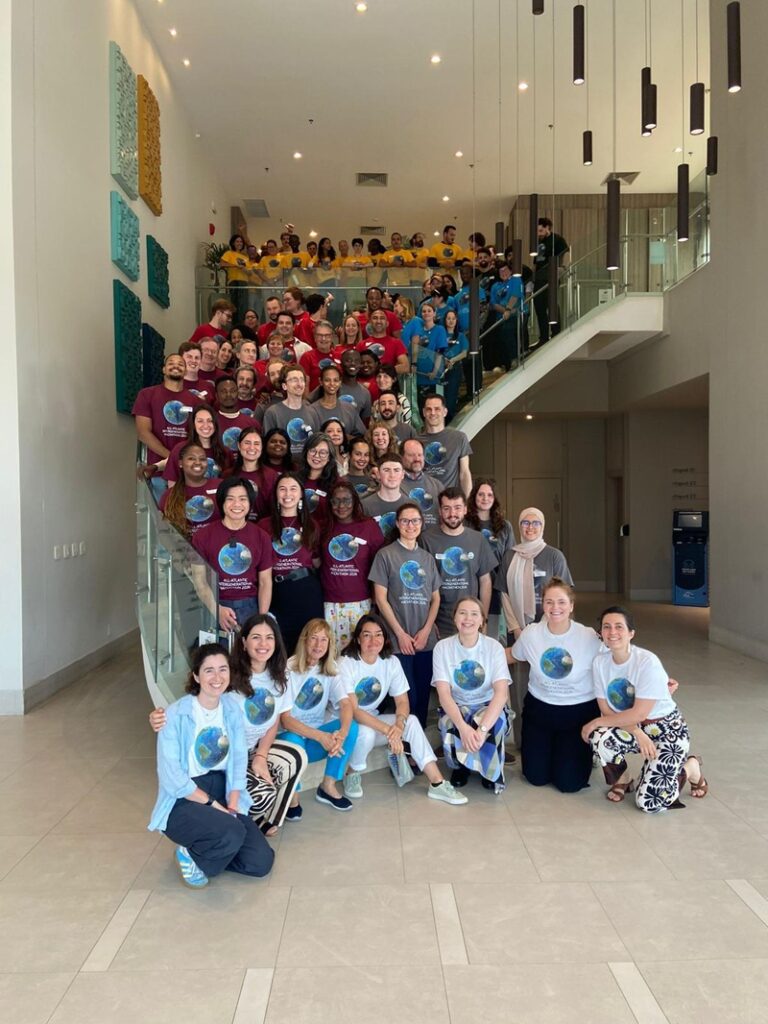
The event was hosted by Brazilian partners, including the Ministry of Science, Technology and Innovation and SENAI CIMATEC, whose support ensured a dynamic and inspiring environment for innovation. Their collective efforts created a platform that not only fostered cutting-edge solutions, but also strengthened international collaboration and reinforced the role of science diplomacy in addressing global ocean challenges.
Looking Ahead
The success of Challenge 4 highlights the growing importance of tools that connect science to action. For the MarineGuardian Project, it represents a major milestone in advancing the practical application, uptake, and impact of its solutions.
As momentum continues through upcoming initiatives linked to ICES and broader ocean innovation programmes, the vision is clear: empower ocean communities with the tools they need to navigate a changing climate and build a more sustainable future, aligned with the EU Ocean Pact and UN Ocean Decade, providing the solutions we want for the ocean we need.
MarineGuardian remains committed to supporting this journey—transforming data into decisions, and decisions into impact.