The team at DTU Aqua has been exploring exactly this question over the past few weeks through research, collaboration, and stakeholder engagement within MarineGuardian.
Following the project’s annual meeting, Francois Bastardie published an article addressing a crucial challenge for European fisheries: how can we ensure sustainable fisheries while renewing the EU fishing fleet to support modernization and the energy transition?
Financed by CINEA and derived from https://cinea.ec.europa.eu/publications/digital-publications/study-european-unions-fishing-fleet-evolution-challenges-and-future_en, the publication highlights the opportunities and challenges that lie ahead for the sector and helps put into perspective the changes needed to secure sustainable fisheries in the future.
📖 Read the full publication here:
https://www.frontiersin.org/journals/marine-science/articles/10.3389/fmars.2026.1812898/full
But understanding the challenge is only part of the journey.
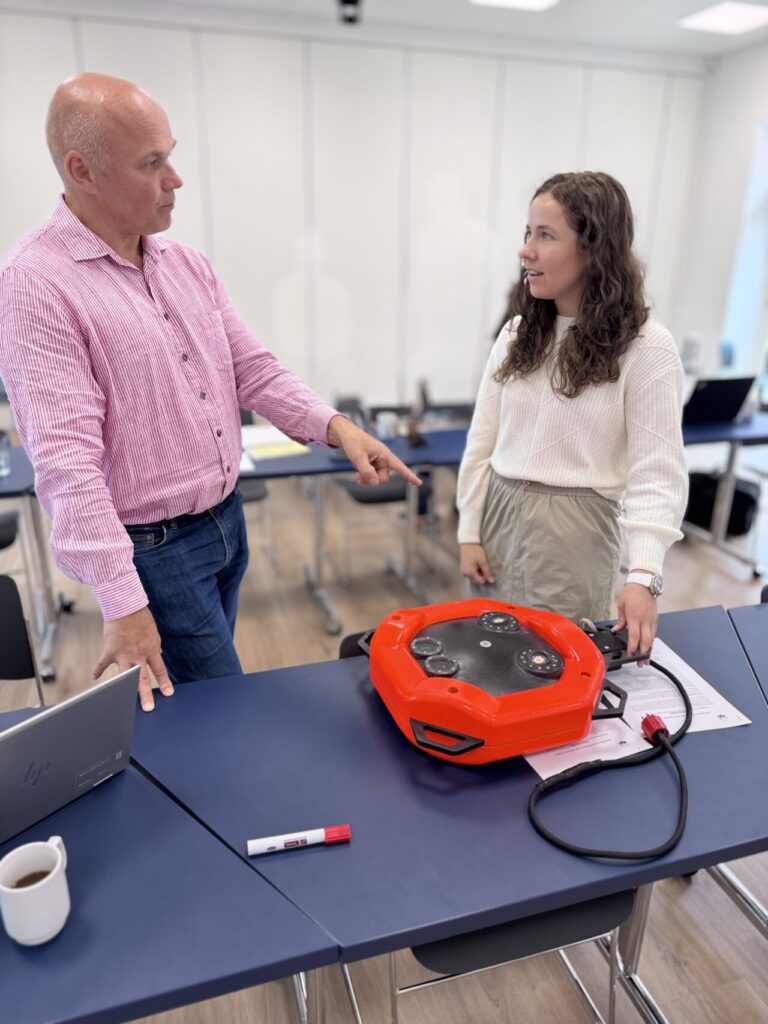
Last Friday, Ludvig Ahm Crag and the DTU Aqua team brought stakeholders together in Hirtshals, Denmark, for a workshop focused on our Greenlandic case study. Thanks to SINTEF Ocean for the training and to Royal Greenland for the collaboration.
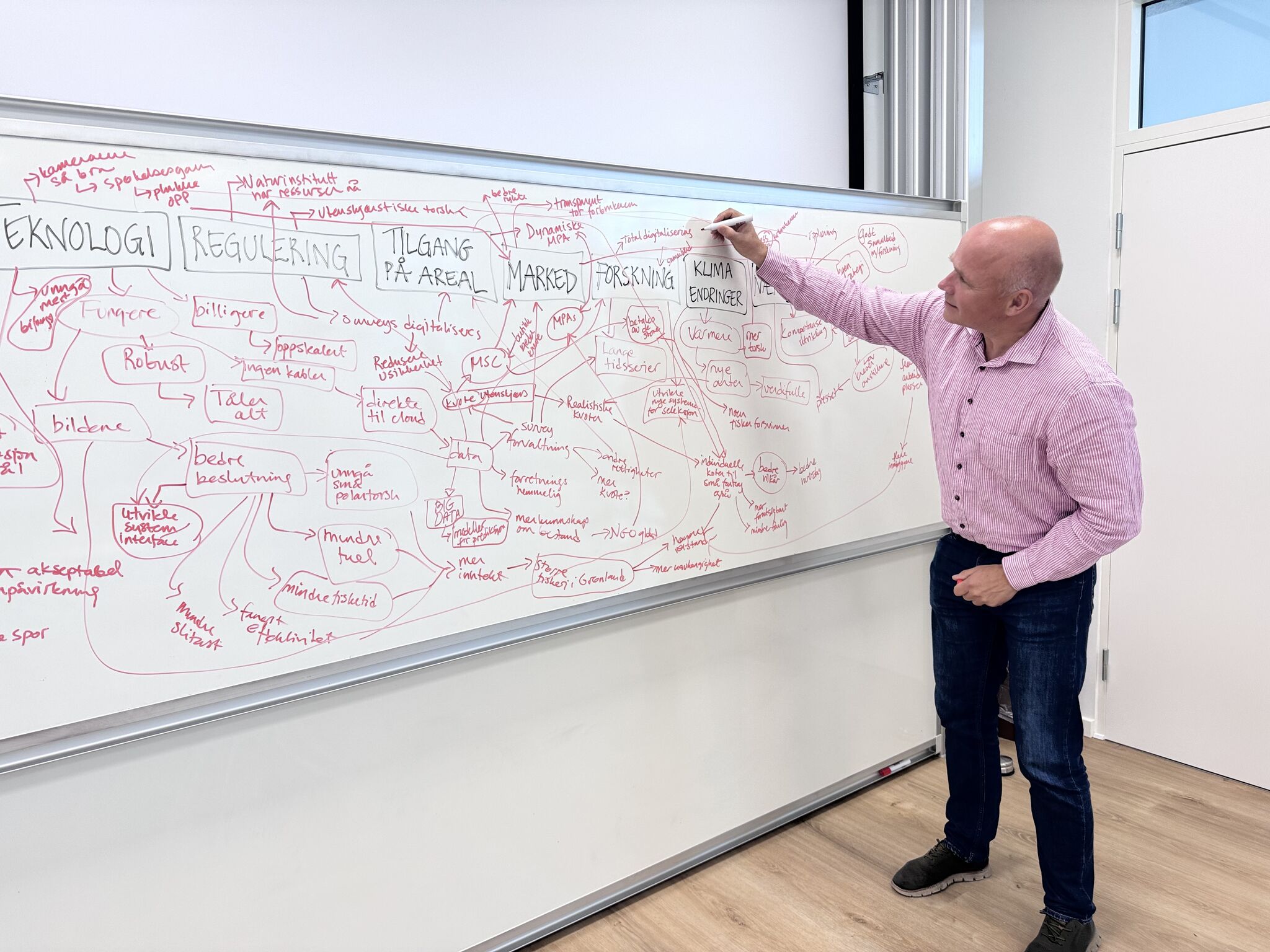
Using a backcasting approach, participants were transported to the year 2040—a future where the trawl-camera technology developed within the project has been successfully deployed on fishing vessels and supports functional cod stock assessments.
Their mission was simple: if this future exists, how did we get there?
Working backwards from this vision, stakeholders explored the technological developments, policy decisions, collaborations and actions needed to turn that future into reality.
Because creating sustainable fisheries is not only about developing innovative solutions—it’s also about building the pathways that make their adoption possible.