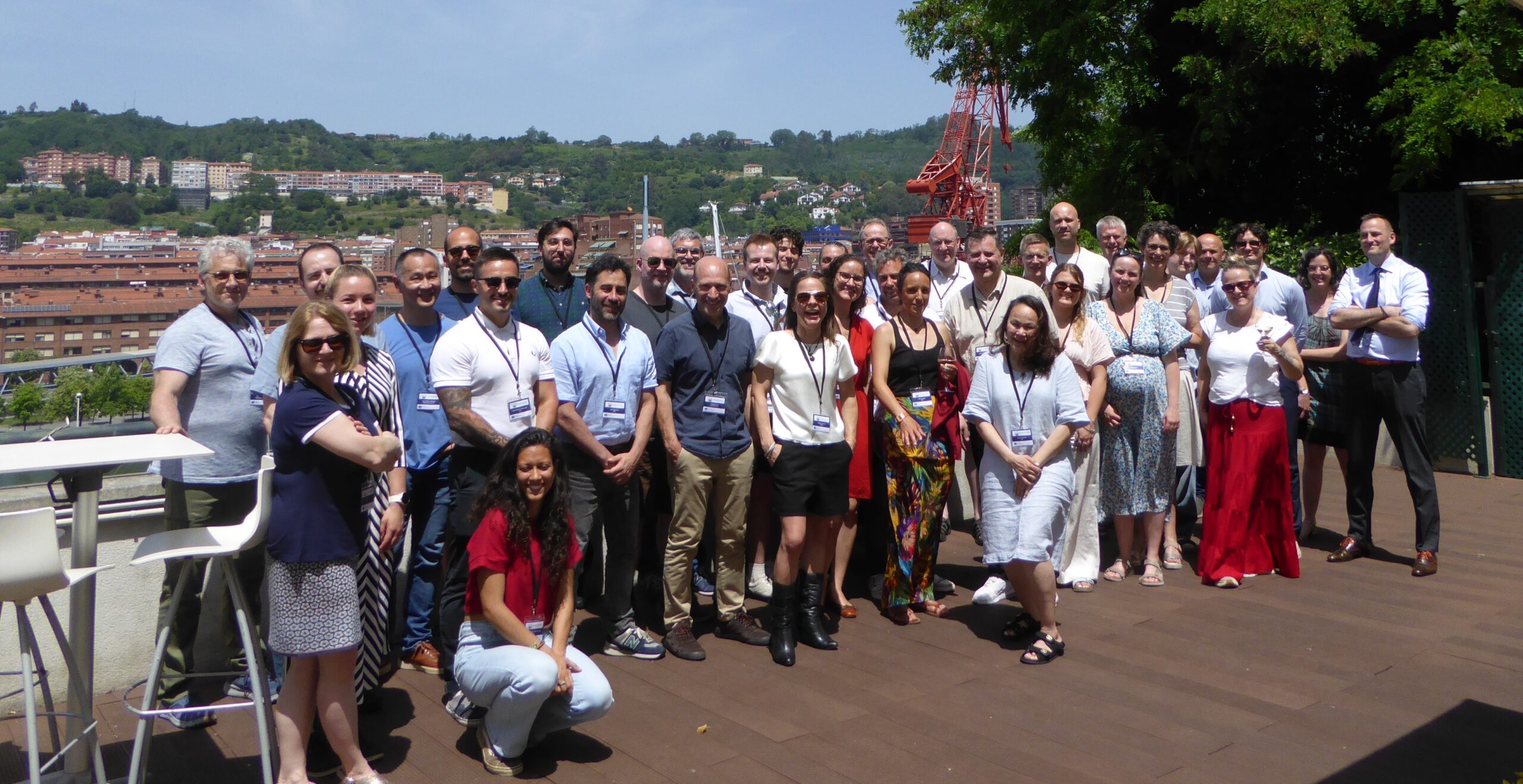
From the 26th to the 28th of May, the MarineGuardian consortium came together in Bilbao, Spain, for its first annual meeting. It was three days full of presentations, discussions, collaborative work sessions and shared meals that marked an important milestone in the life of the project. Around 50 participants gathered to take evaluate the progress, align on next steps, and strengthen the connections to make this project work.
Day 1: Overview of the technical progress and socio-economic and ecologic assessment
The first day opened with a deep dive into the technical solutions being developed across the project. Partners from WP2 presented advances on three of our key exploitable results: BycatchShield, CatchSelect and EcoGear, designed to reduce unwanted catches and seabed impacts in Atlantic fisheries. We then continued with WP3, where the focus shifted to decision-support tools: EcoGuide, AI Decide and CatchAdvisor, each aimed at giving fishermen smarter, data-driven operational support.
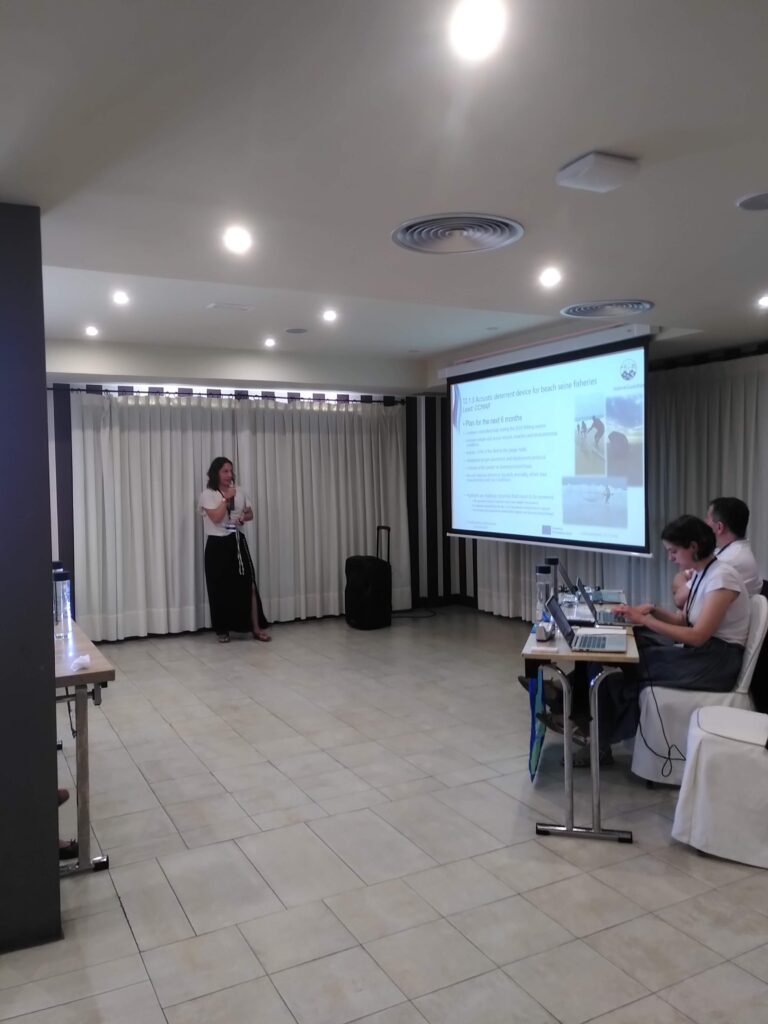
The afternoon brought these technical advances into a broader analytical frame, with the WP4 team walking the consortium through the socio-economic and environmental analysis that will be used to evaluate the solutions. The WP6 coordination wrapped up the day with the overview of the next steps and milestones.
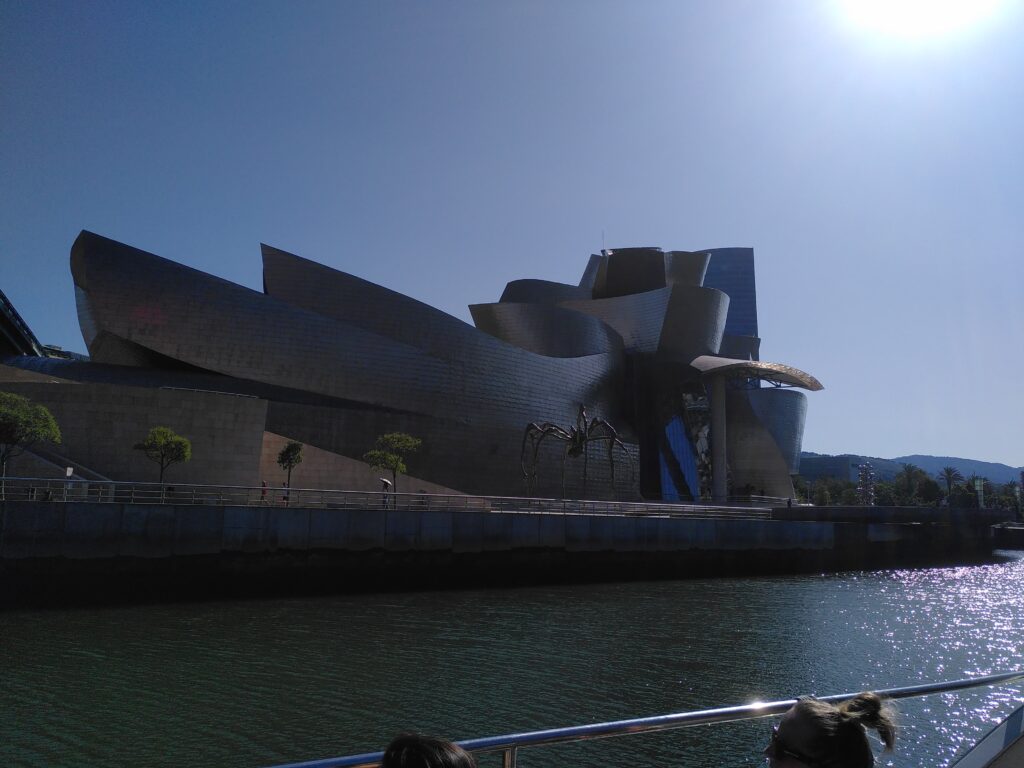
The day closed on a high note, a gathering aboard a boat on the river, followed by a walk through the city of Bilbao, where the conversations from the meeting room continued in a more relaxed setting.
Day 2: Stakeholder engagement, impact and serious games
The second day opened with stakeholder engagement work package (WP1), presenting the methodology and progress being made across the project’s case study areas. This was followed by the live test of a serious game developed for MarineGuardian designed to capture and increase players’ knowledge of the barriers and opportunities for adoption of the project’s solutions.
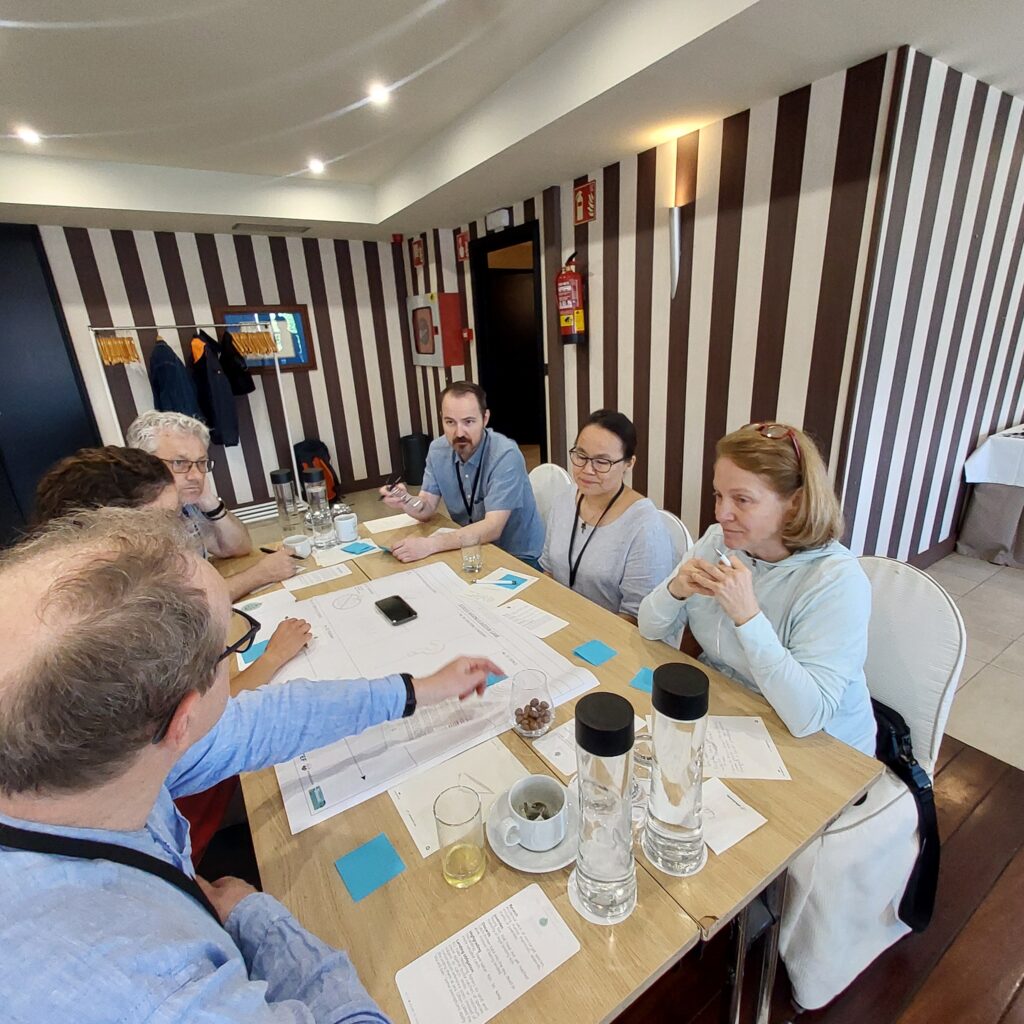
Right after, the impact work package was presented focusing on the mechanisms in place to ensure that MarineGuardian’s results reach the right audiences and generate lasting change. Partners then worked together on the potential datasets that will be produced and took the first concrete steps toward planning the exploitation of project results.
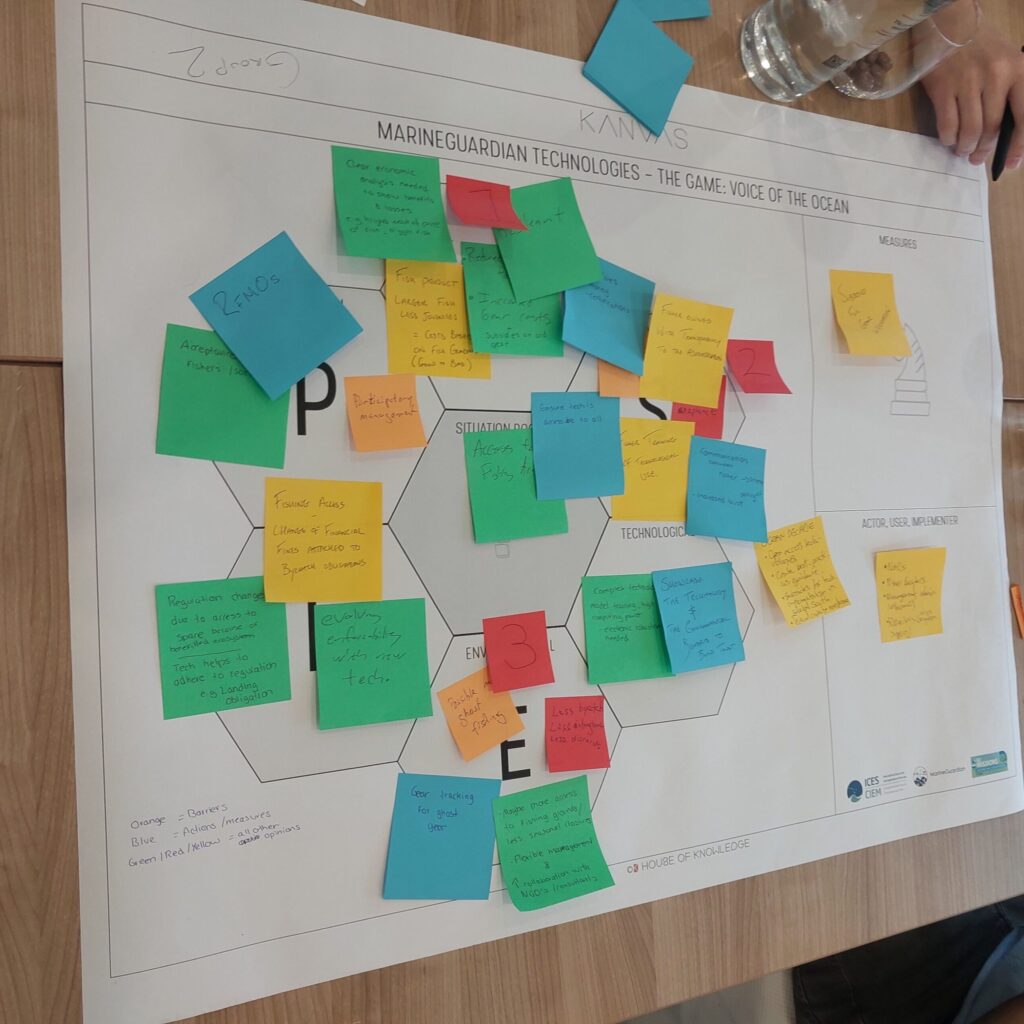
The afternoon hosted the first test of the PESTEL serious game developed in collaboration with SINTEF, ICES and House of Knowledge; a structured analysis of the political, economic, social, technological, environmental and legal dimensions for MarineGuardian solution’s adoption, tested with the consortium before being improved and played more widely in workshops and international events throughout the project. A consortium dinner concluded this interactive day.
Day 3: External Advisory Group feedback, and break-out sessions
The final day opened with feedback from MarineGuardian’s External Advisory Group, whose expertise and advices help the consortium sharpen its direction for the coming years. This was followed by a presentation from Gianluca Ristori Ramos, an ECOP from University of Barcelona, who developped HOOC, an integrated app designed to centralise all the data flows small-scale fishers need to make better operational decisions, which won the AAORIA ECOP Hackathon in April 2026; and is gathering data from the MarineGuardian solutions.
The meeting concluded with targeted breakout sessions, allowing partners to work through specific planning questions that required focused bilateral or small-group discussions. From specific tasks, to planning of workshops, and discussions around future publications, this session allowed the project to take important decisions for the work planned for next year.
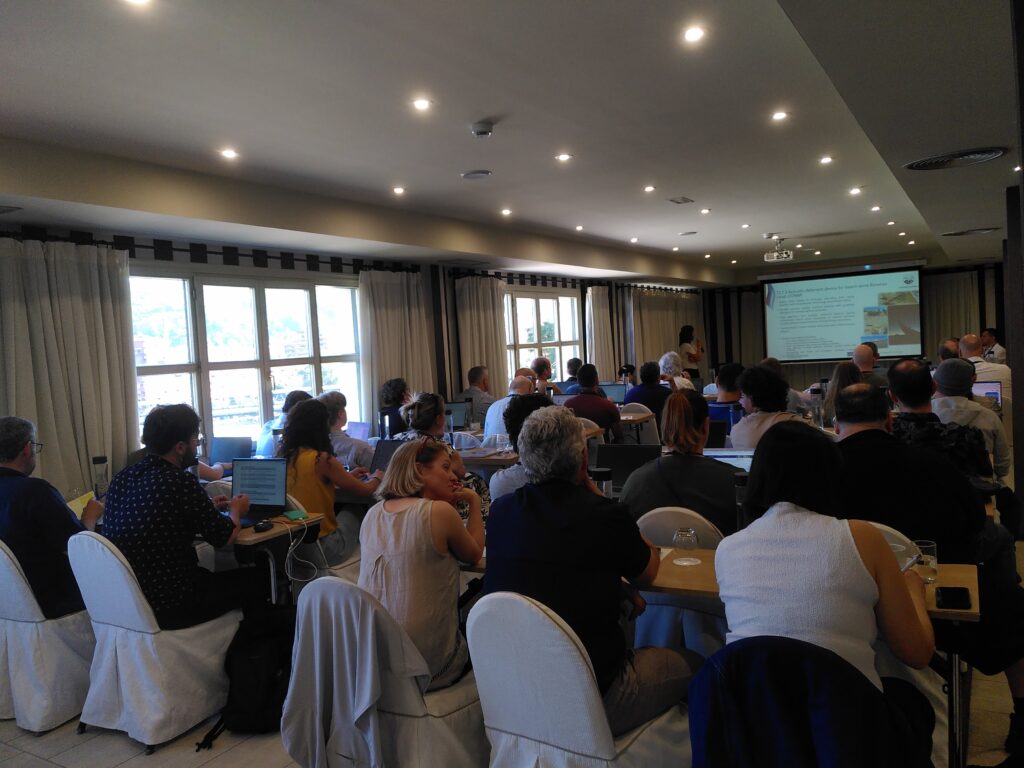
After three intense and productive days, the consortium is now ready to start the second year of work in the project, confident in the next steps that have to happen. This next activities will start soon with multiple stakeholder workshops planned throughout the summer as well as sea trials in 3 different case studies.