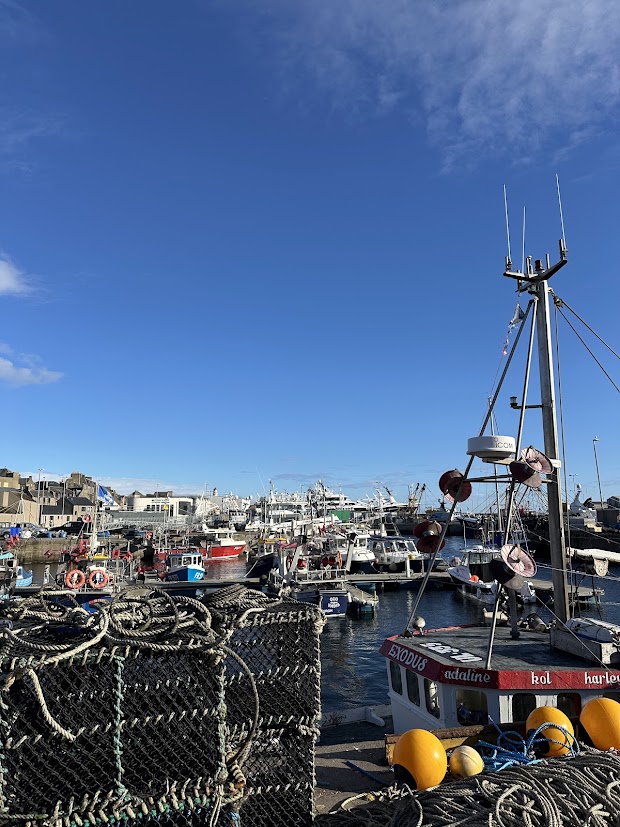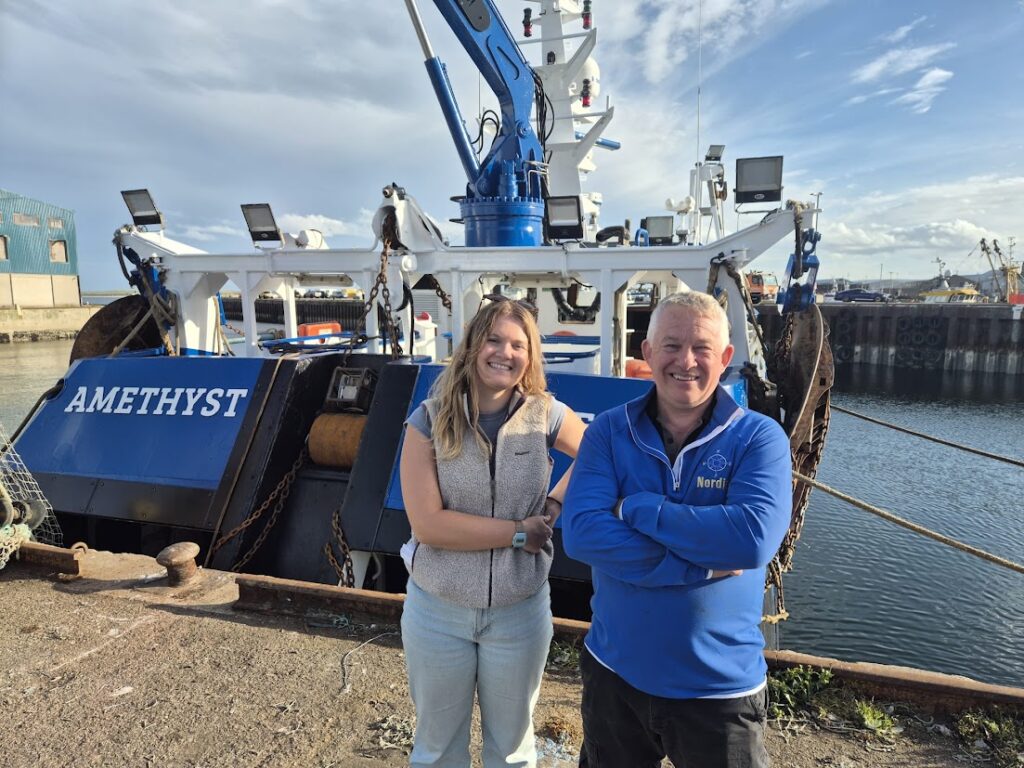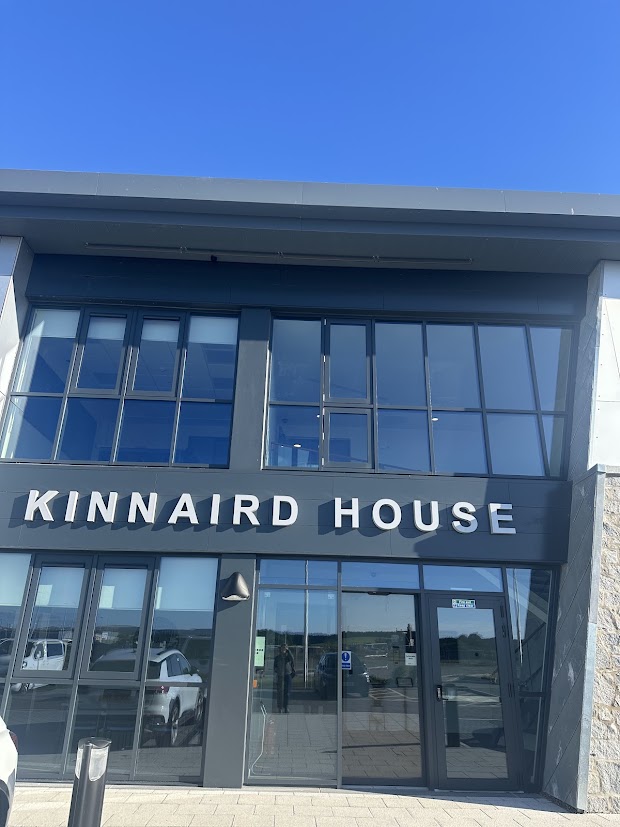
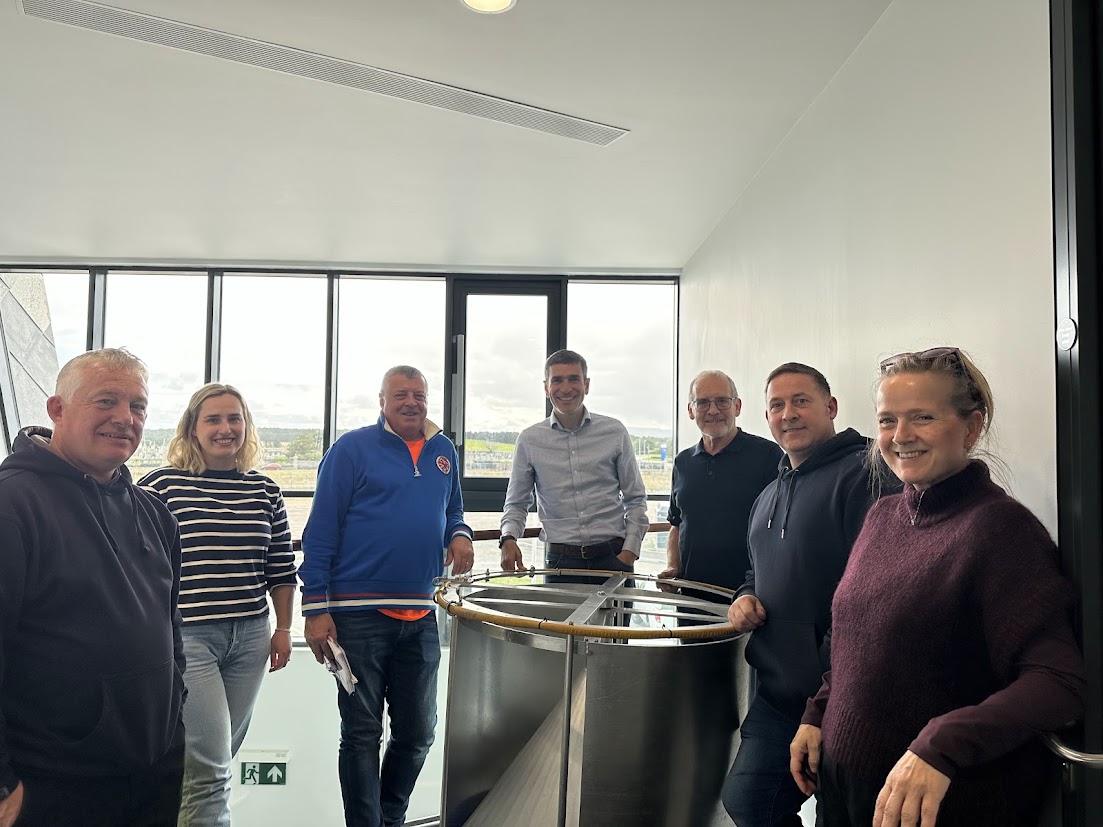
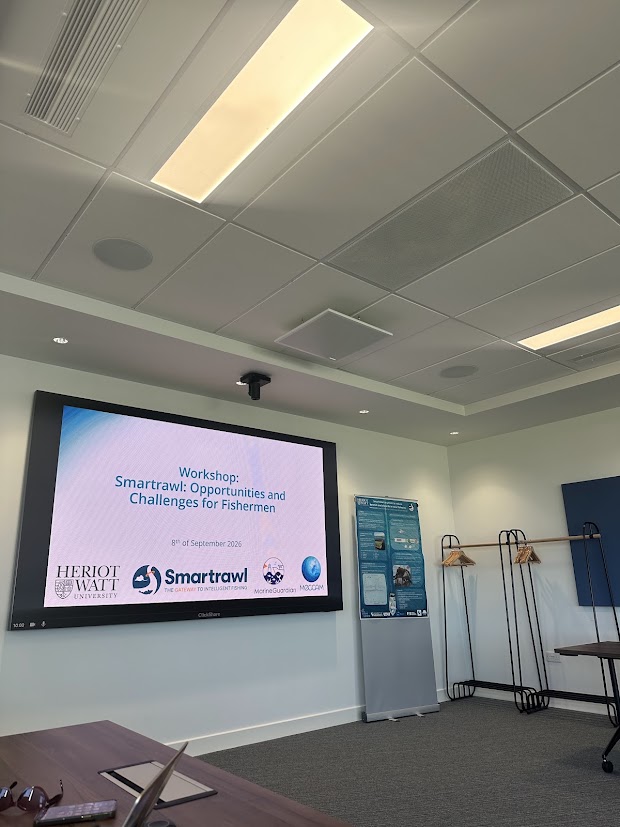
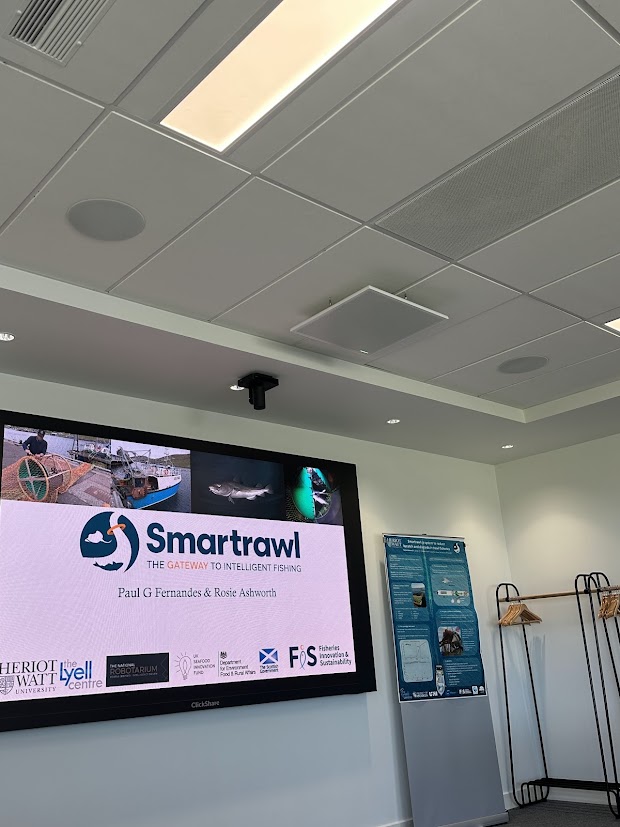
On 8 September 2026, MarineGuardian brought together fishers, a net maker, industry representatives and government officials at the Scottish White Fish Producers Association (SWPFA) office in Fraserburgh for a stakeholder workshop on the Smartrawl selective trawl system.
A workshop that happened at a critical time
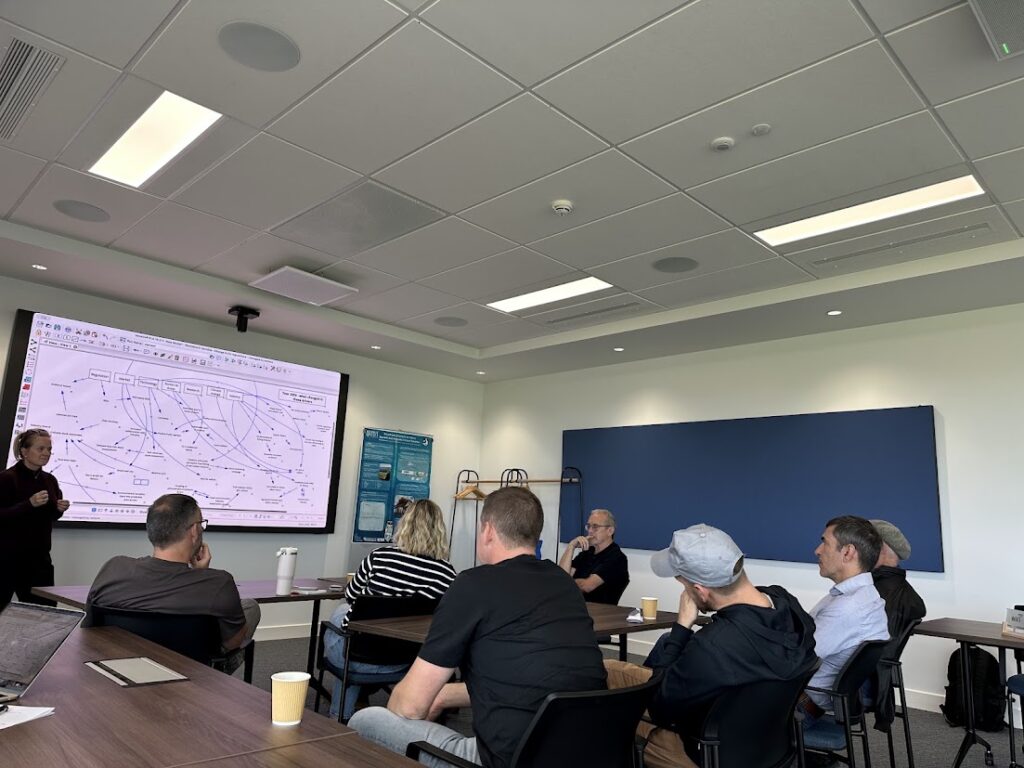
The workshop was hosted by Paul Fernandes and Rosie Ashworth from Heriot-Watt University, leading the West of Scotland case study, and facilitated by Rachel Haug Fossbakk, from SINTEF Ocean, leading the stakeholder engagement process. It brought together nine participants: five fishers, two representatives from the Scottish Government, one fishing association representative, and one net maker.
The timing was chosen specifically. Smartrawl is at a pivotal stage in its development, where design choices made now will shape the system fishers encounter on deck in the future. Getting honest, practical feedback from end-users and stakeholders at this point is a condition for the technology to succeed.
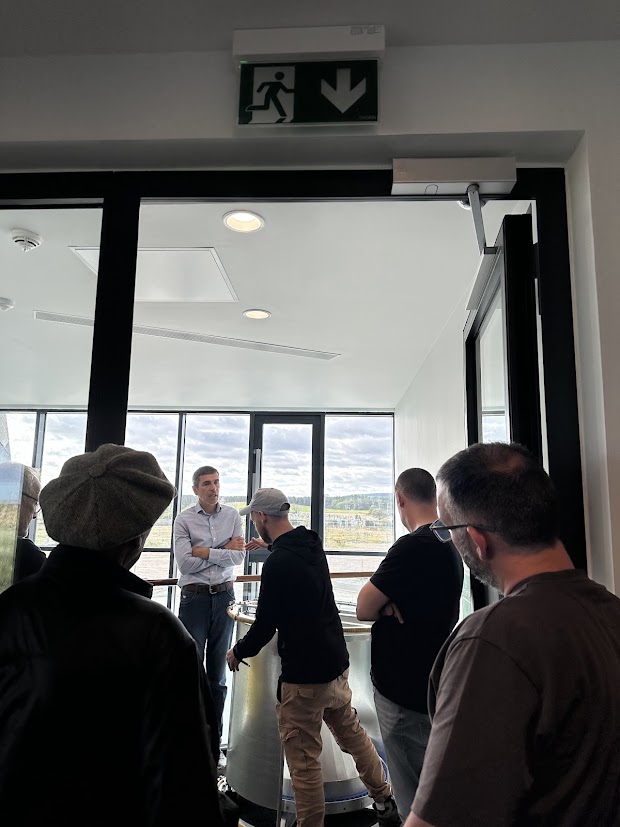
1st part: Presentation and discussions around Smartrawl
The first part of the workshop was dedicated to explaining and demonstrating the Smartrawl system. Participants were invited to engage critically: How does it work in practice? Can it realistically be used aboard their vessels? What are its limitations?
The direct feedback from fishers and gear specialists is precisely what the MarineGuardian methodology is built around. Rather than asking stakeholders to validate a finished product, the workshop created space for honest assessment including scepticism as a driver of better design.
A small overview of what Smartrawl is and what questions were discussed is visible int he video below.
2nd part: Imagine what Scottish fisheries could look like in 2050 when technologies like Smartrawl are widely adopted
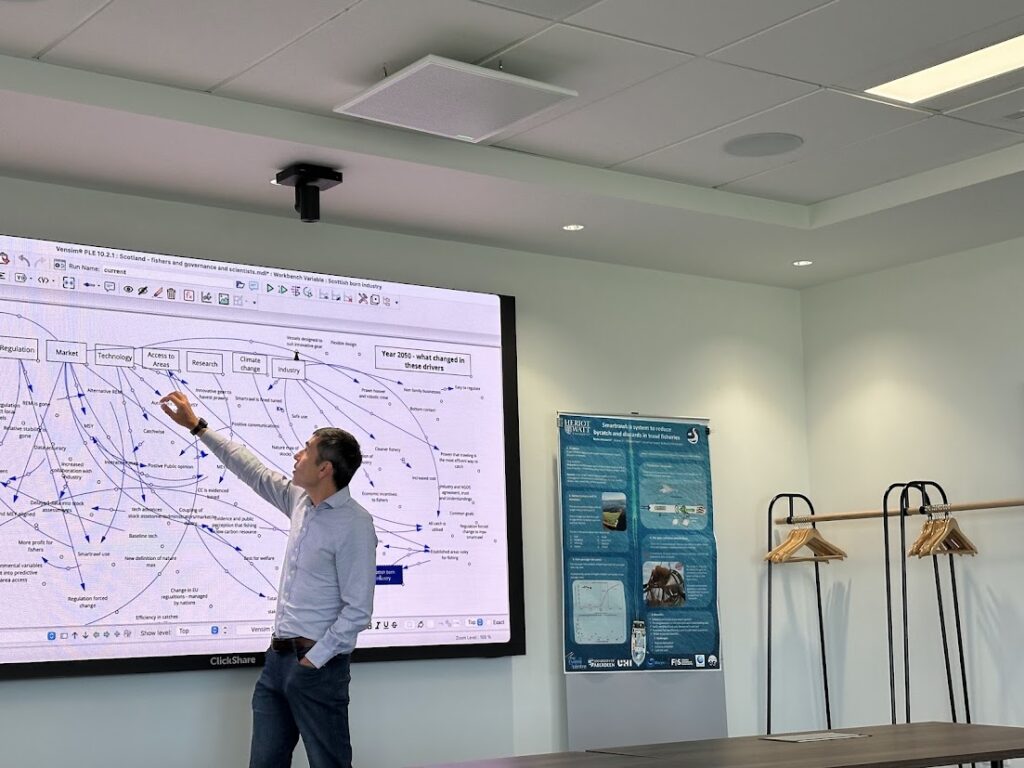
The second part of the workshop shifted from the present to the possible. Participants were asked to think beyond the Smartrawl device itself and explore a future vision for Scottish fisheries, one in which selective technologies like Smartrawl are widely adopted. Following the backcasting methodology developed by SINTEF Ocean, the participants were invited to produce mind maps.
The conversation that followed gave the first answers. Participants were broadly supportive of the direction but clear-eyed about the conditions required to get there. Technology alone will not drive adoption. For tools like Smartrawl to become standard practice, four factors were identified as essential:
- Clear economic benefits: fishers need to see a tangible return, not just a compliance argument
- Practical and reliable design: systems that work in real sea conditions, on real vessels, without adding burden
- Supportive regulation: a policy environment that rewards selectivity rather than penalising it
- Tangible incentives: improved market access, certification opportunities, or preferential access to fishing areas
Smartrawl was framed not simply as a tool to reduce discards, but as part of a broader shift towards data-driven, efficient and sustainable fisheries.
What can we conclude from this workshop ?
The Fraserburgh workshop reinforces one of the central observation of MarineGuardian’s stakeholder engagement approach: adoption barriers are rarely technical alone. They are economic, regulatory and cultural. Understanding them before they become obstacles, is what the project’s methodology, developed under the guidance of the SINTEF Ocean team, is designed to map.
We thank the SWPFA for hosting, Rachel Haug Fossbakk for facilitating, and all participants for their time.