Category: News

  • In November, MarineGuardian kept going 

    In November, MarineGuardian kept going 

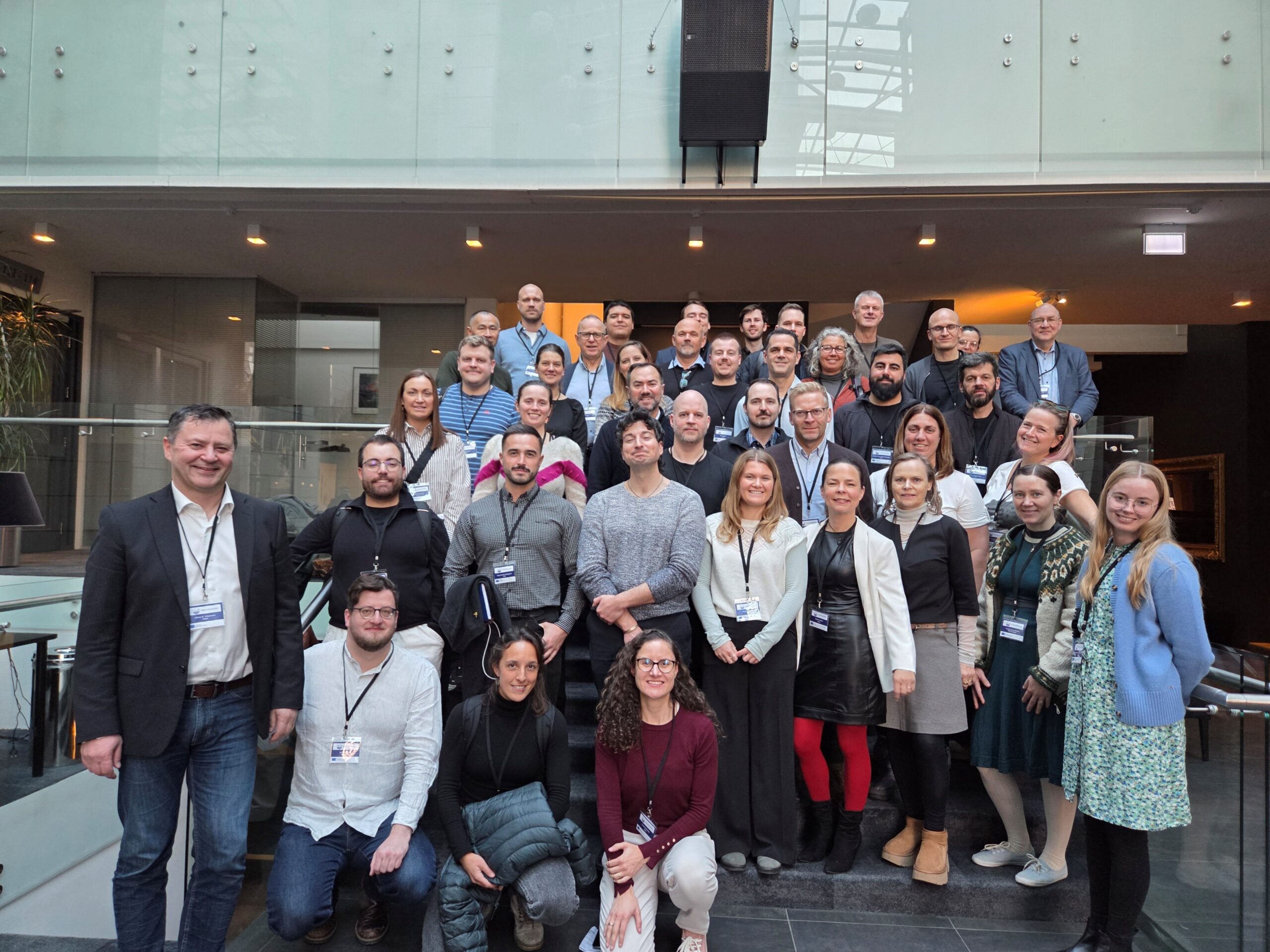
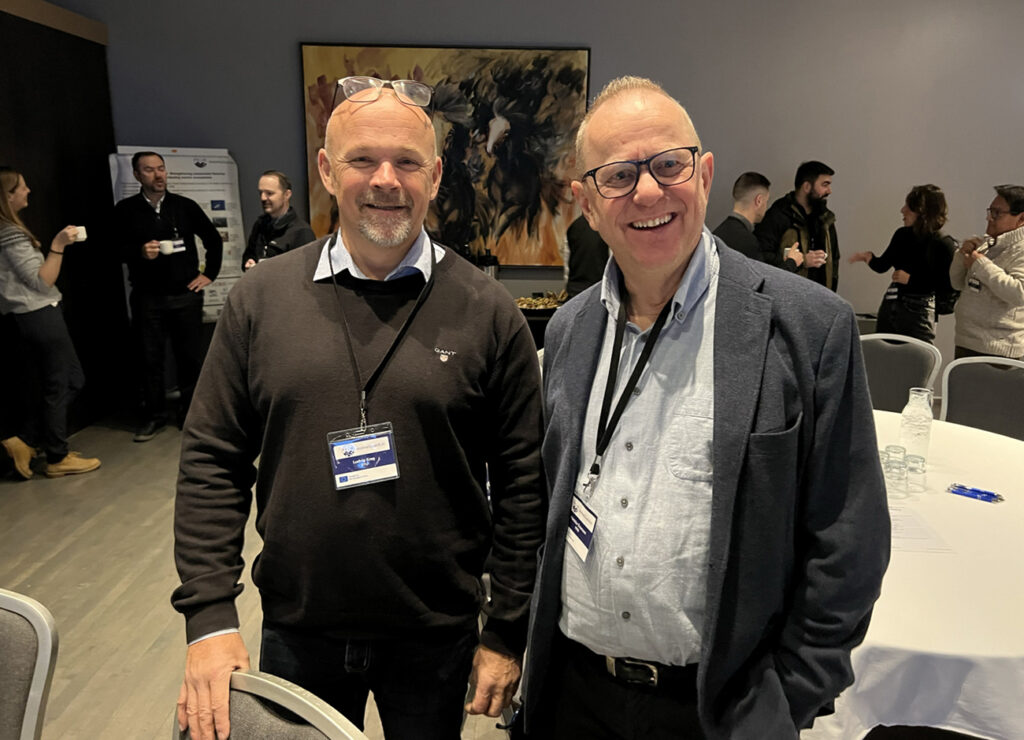
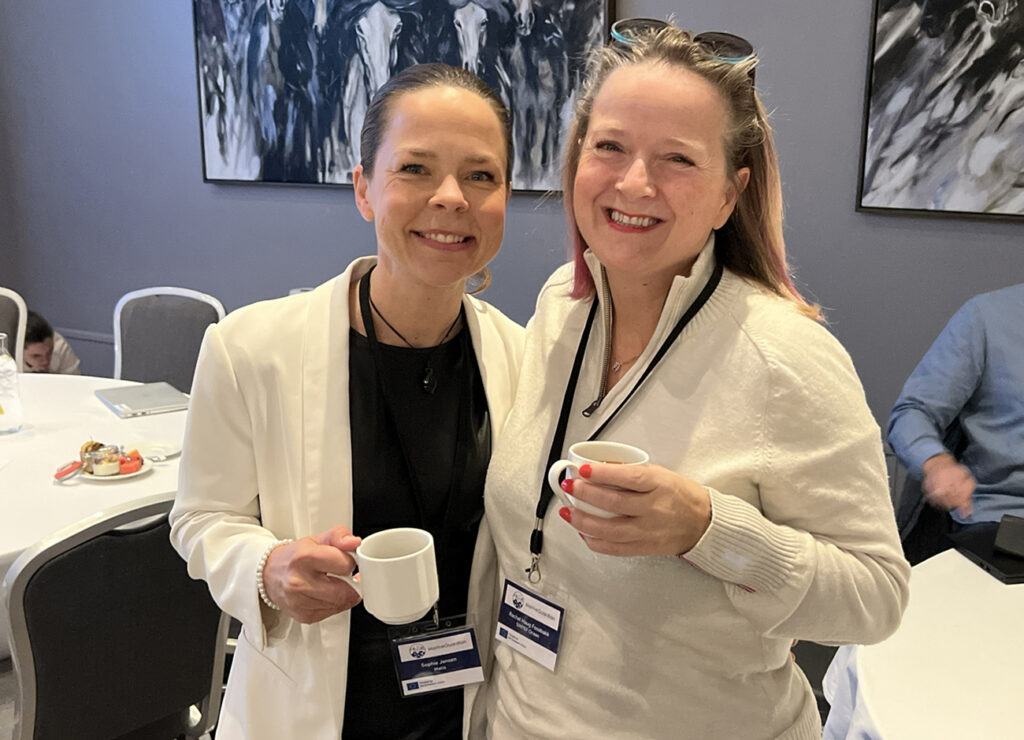
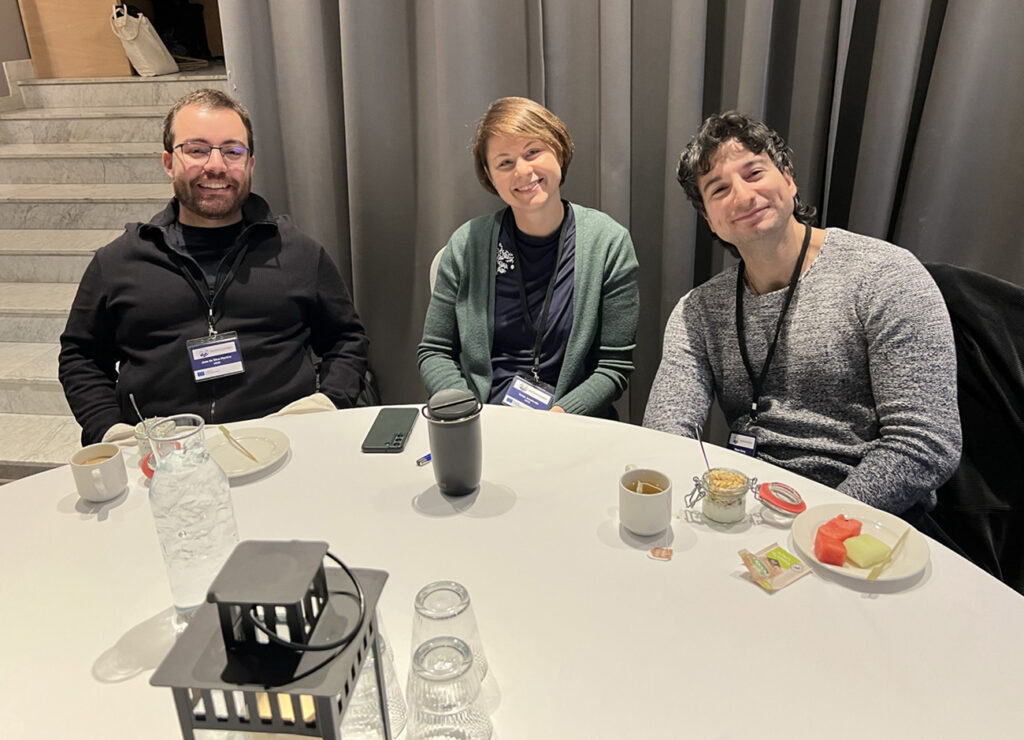
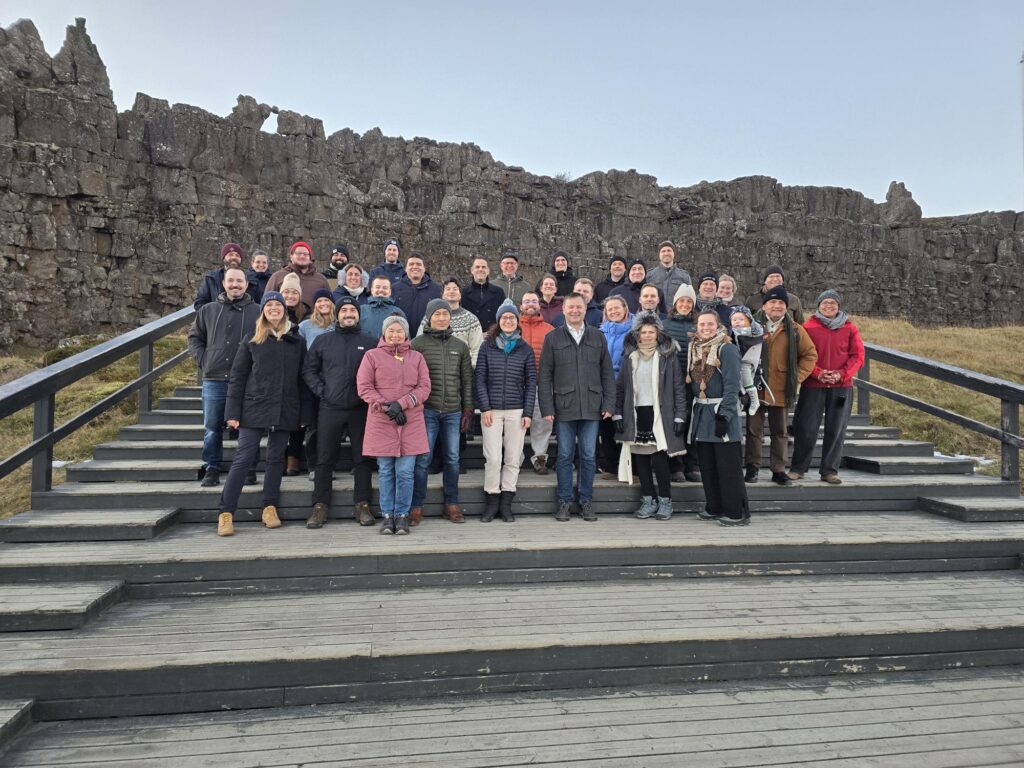
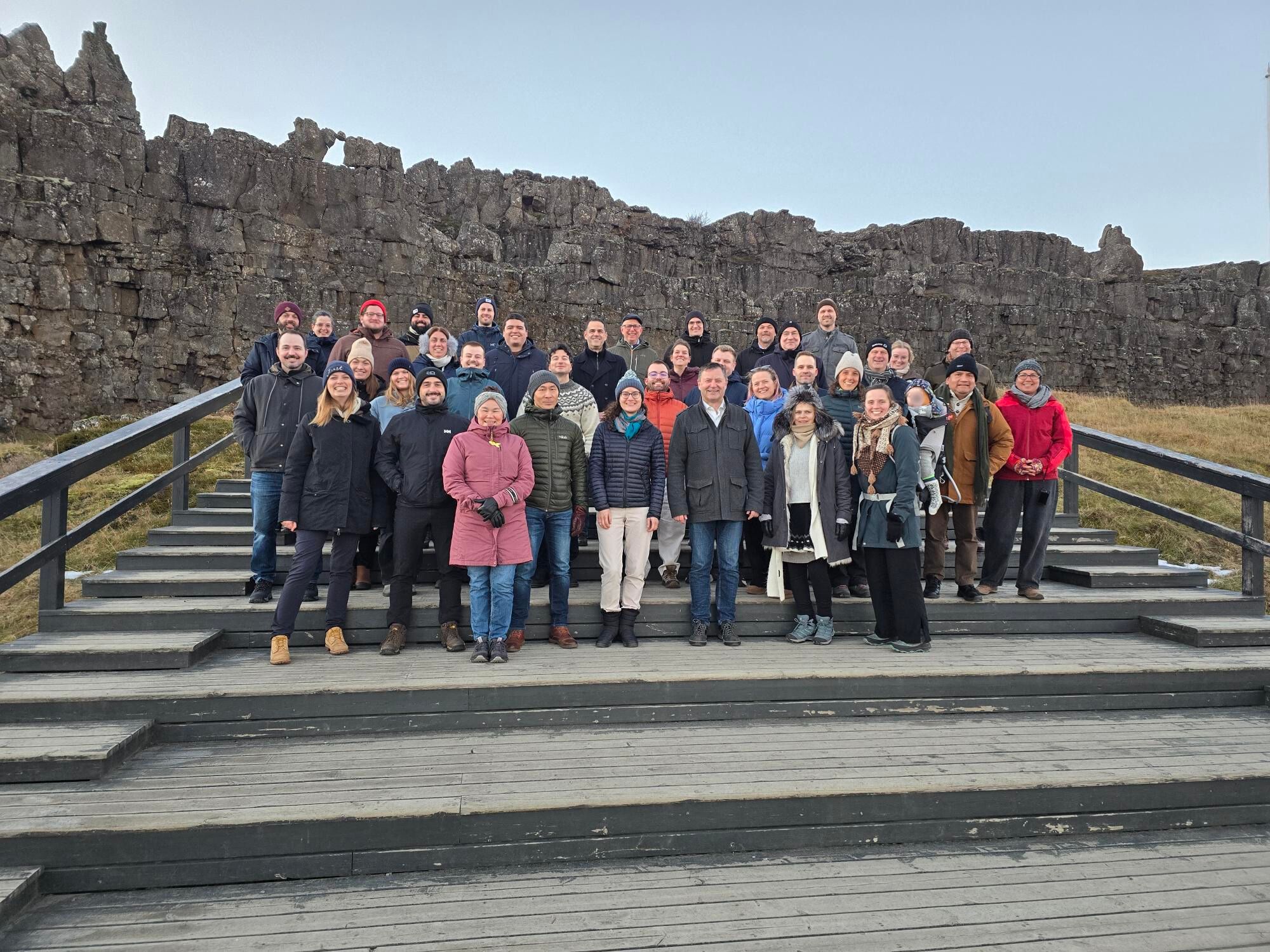
    The month started with the second scientific committee meeting where the partners had the opportunity to meet in person and discussed the following steps to take on this exciting journey ! 

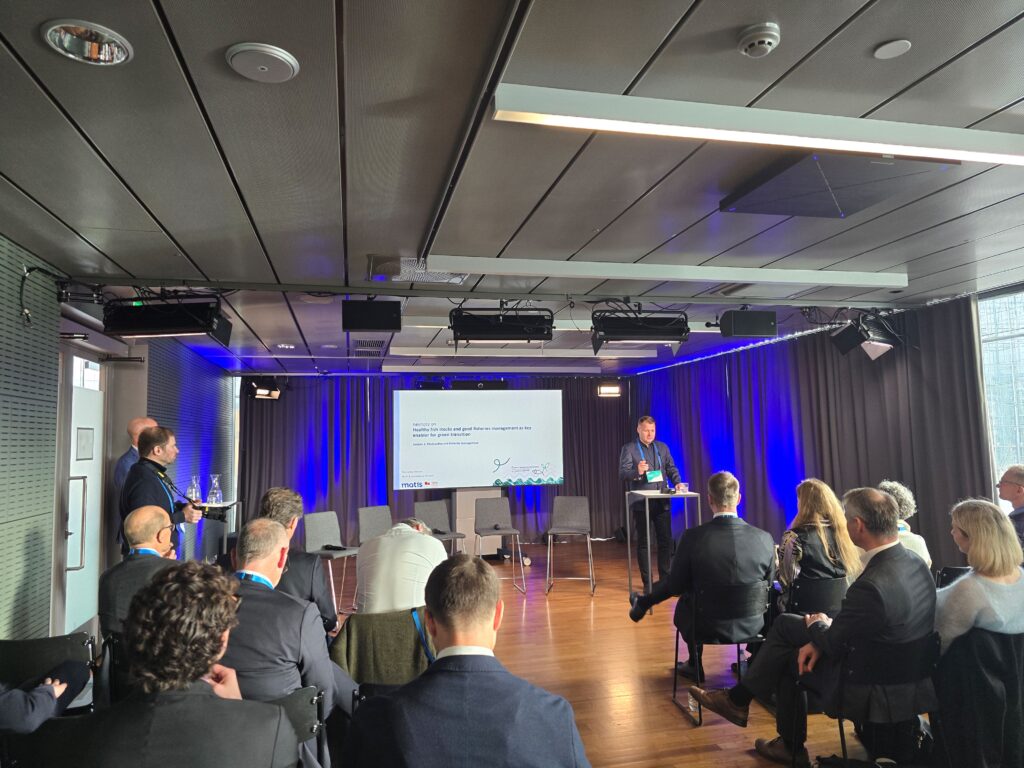
    At the same time was held the forum about Energy transition in Fisheries, organised by the Nordic Council of Ministers where Matís had a keynote on fleet policy and fisheries management where MarineGuardian was introduced. 
    Straight after, the fisheries conference, Sjávarútvegsráðstefnan was organised in Harpa, Reykjavik, and where multiple MarineGuardian partners shared interesting insights about the project.  
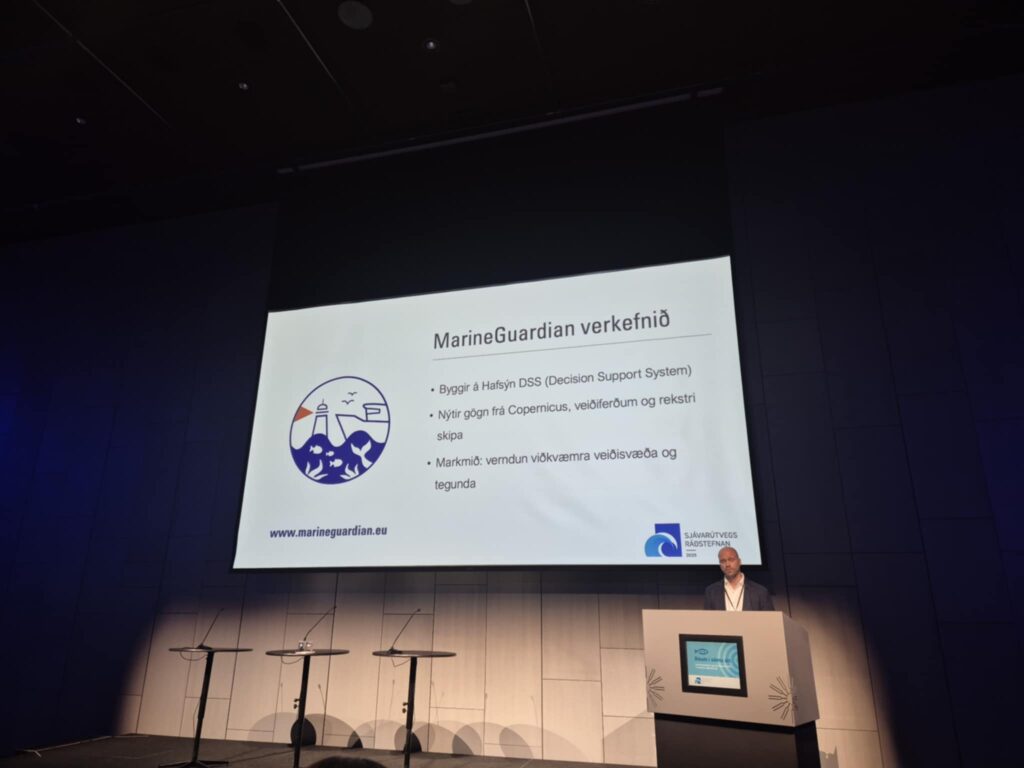
    Photo: Katrín Hulda Gunnarsdóttir

    Þorsteinn Ágústsson from Trackwell had a presentation about the importance of Artificial Intelligence in the fisheries industry and how getting more data allows better decisions, while Pamela Woods from Hafrannsóknastofnun a chaired the session from Fisheries Management Systems of Coastal States.

    Sveinn Margeirsson from BRIM took part in an interview and presented how the collaboration between industry and research is done within MarineGuardian. Multiple other MarineGuardian partners attended the conference as well and shared project insights. 
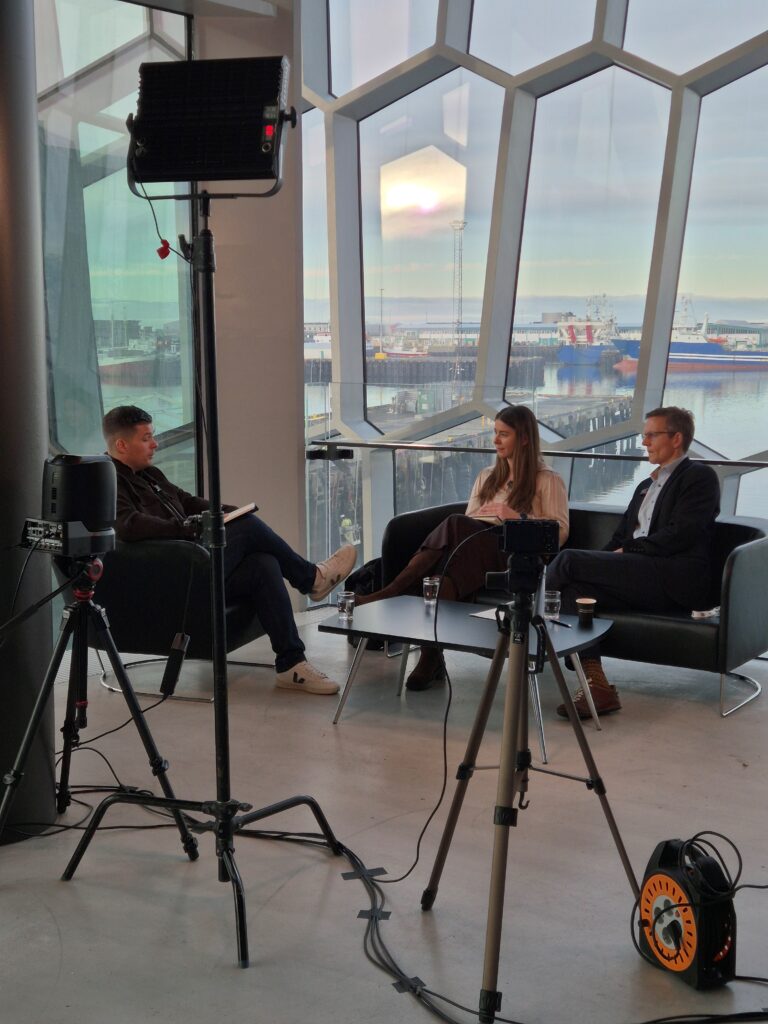
    Photo: Katrín Hulda Gunnarsdóttir

  • Scientific committee meeting

    Scientific committee meeting

    There’s something special about meeting face-to-face.

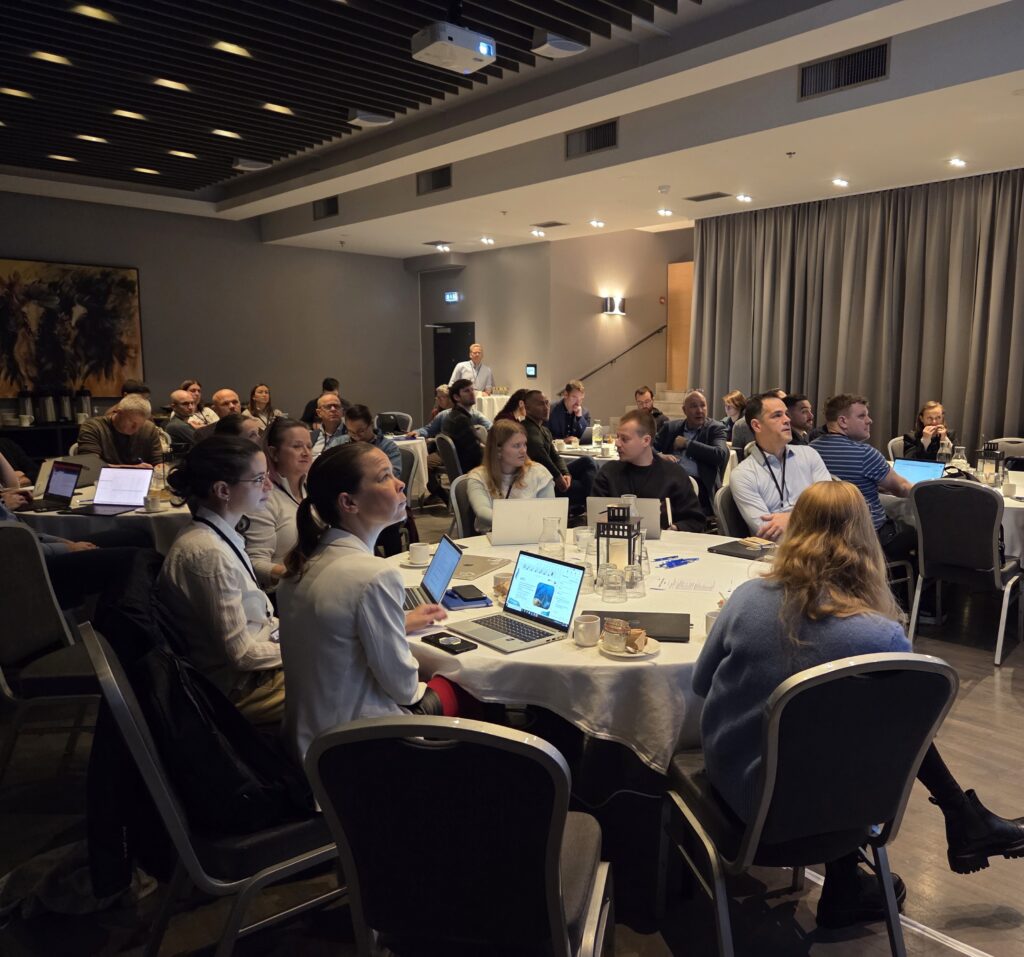
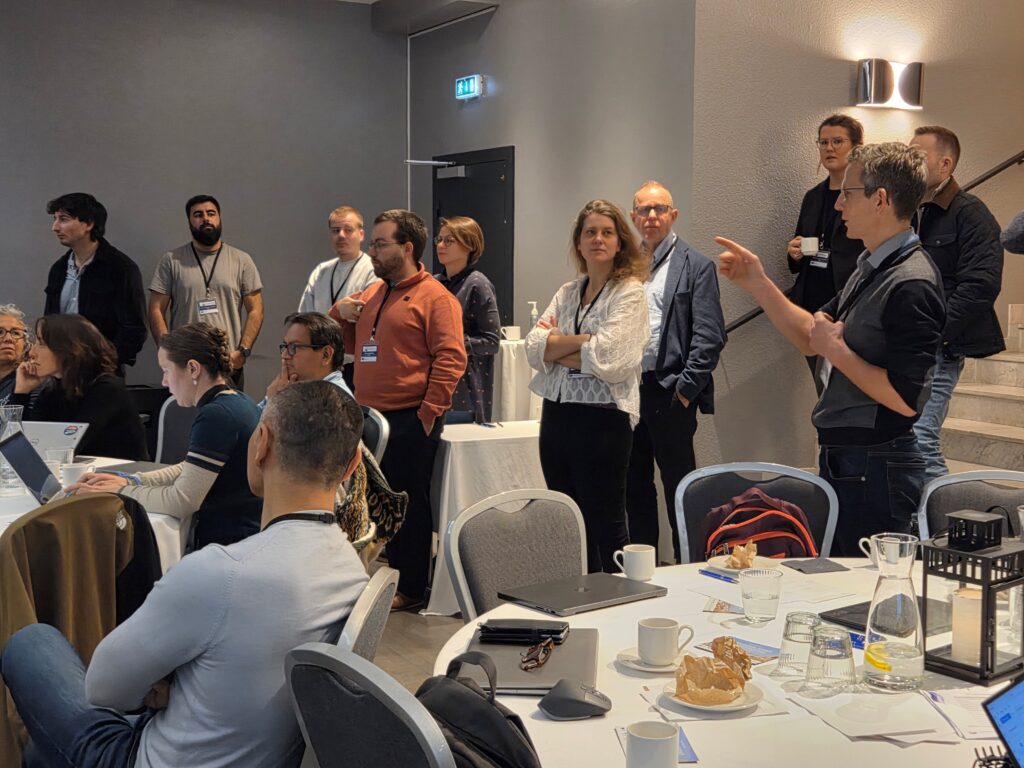
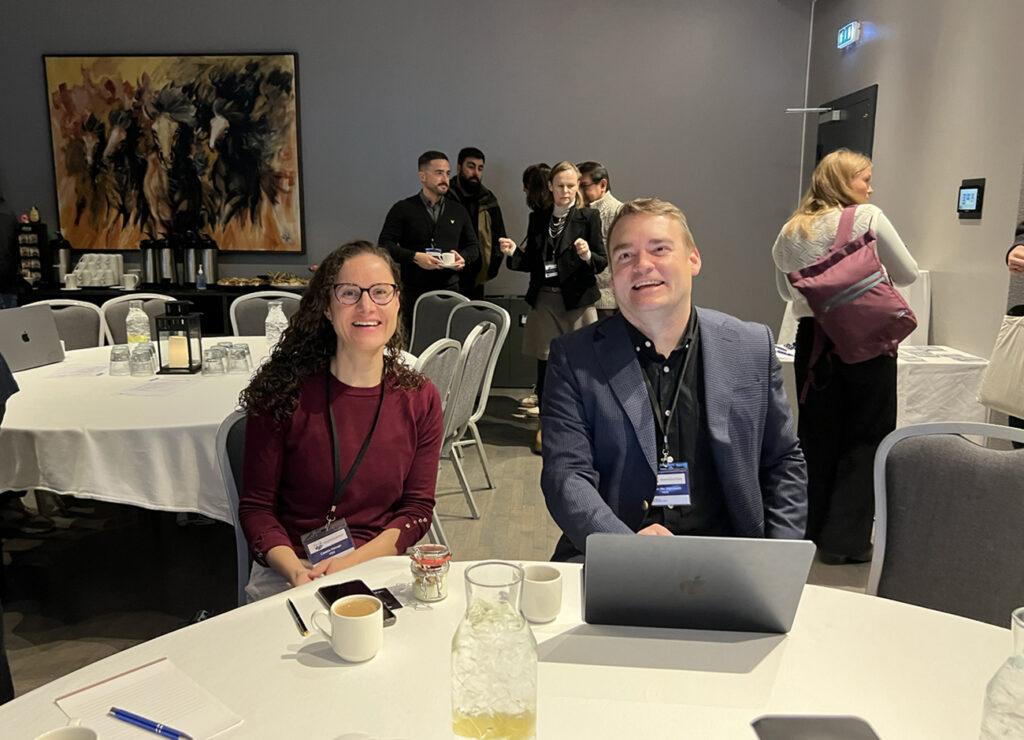
    Over the past two days, the MarineGuardian team was reunited in Reykjavík for our second scientific committee meeting, a time to reflect, share, and look ahead together. We reviewed the work done in the last three months: the tests we’ve run, the obstacles we faced, and the progress we made towards healthier seas.

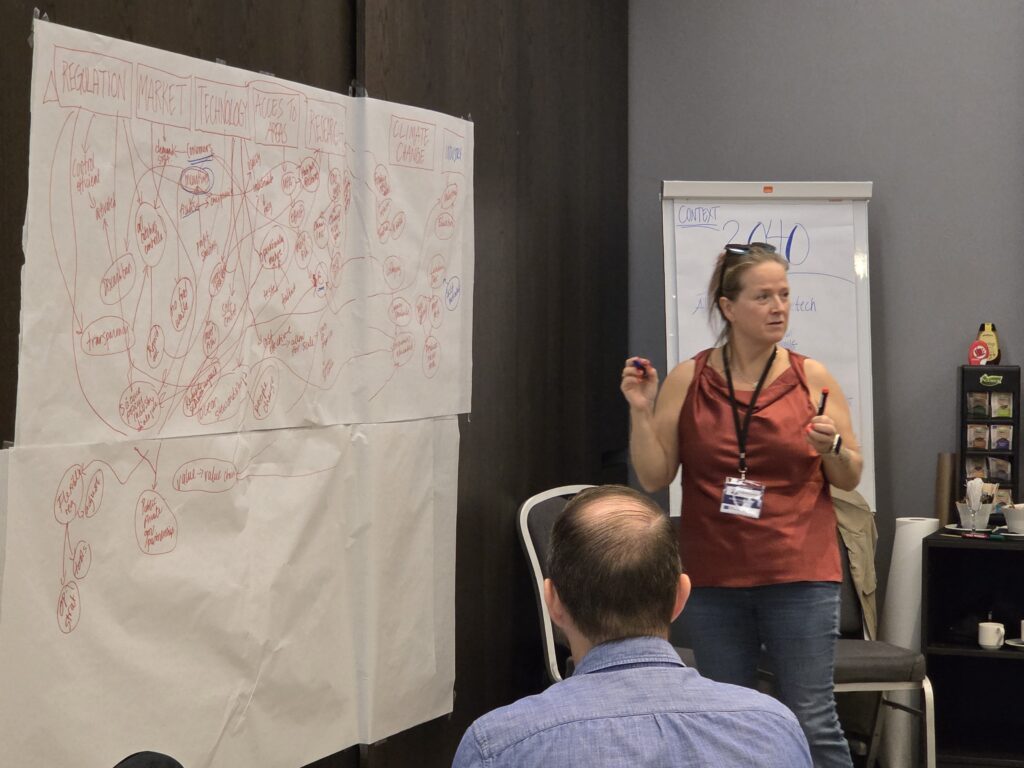
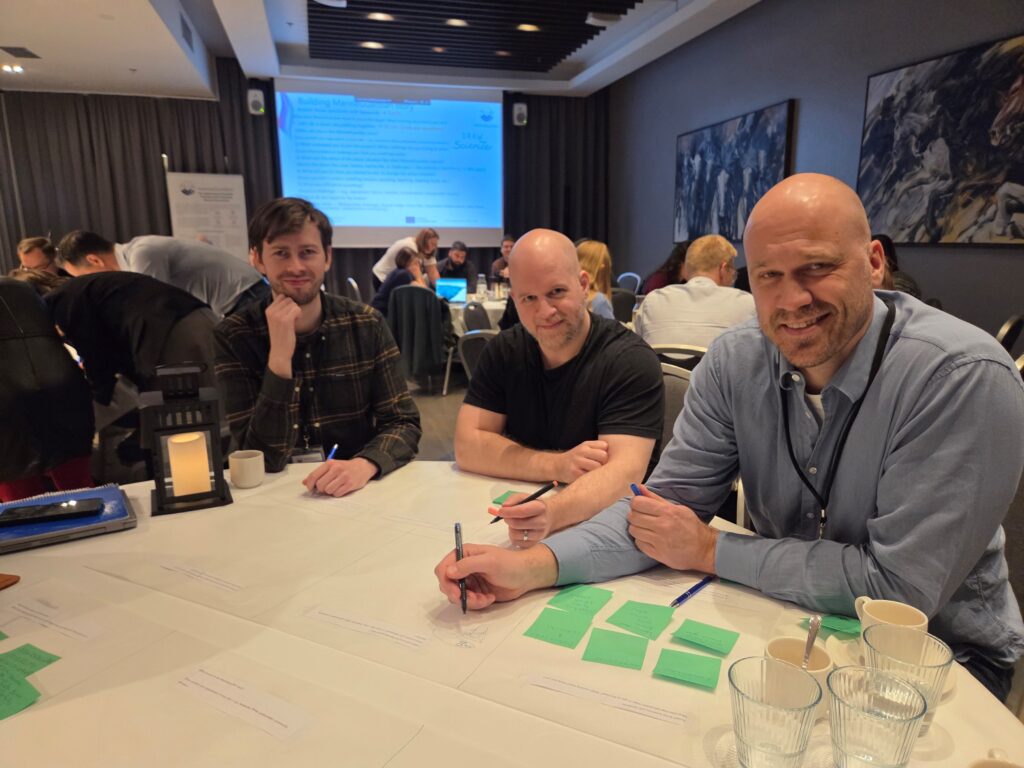
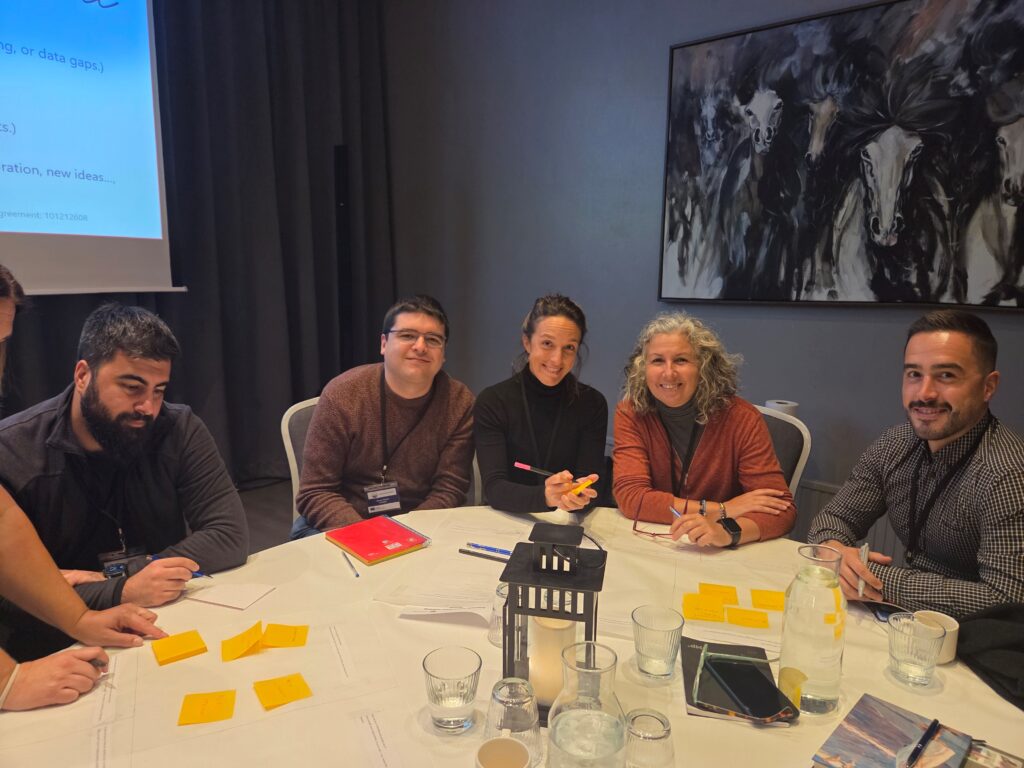
    Then, we turned our minds toward the next six months, exploring how we can enhance the collaboration and increase our impact. Through three creative workshops, we stepped out of our usual roles to imagine a bright future and seeing the oceans through the eyes of different stakeholders, and imagine a world where today’s issues are only a bad memory.

    One workshop was focused on drawing and expressing who we are within MarineGuardian: what drives us, and what kind of future we hope to build together.
    Stay tuned, we have some beautiful outcomes to share soon!

    We reflected on real-world impact, analysing how our solutions are shaped by real-world needs and what barriers and enablers will be linked to their development and commercialisation.  

    Meeting in person reminded us that collaboration is more than collecting, analysing data and sharing goals, it’s about building trust, curiosity, and shared purpose.

    These two days have strengthened the bonds that will carry us through the next four years of this exciting journey….not alone as our sister project, Eco-Catch, was with us and we started exploring new ways to work hand-in-hand for sustainable oceans.

    Step by steps and hands to hands, we are building a more sustainable ocean future.

  • MarineGuardian continues to make waves across Europe

    MarineGuardian continues to make waves across Europe

    In September, MarineGuardian took part in high-level discussions that connect science, policy, and practice in marine protection.


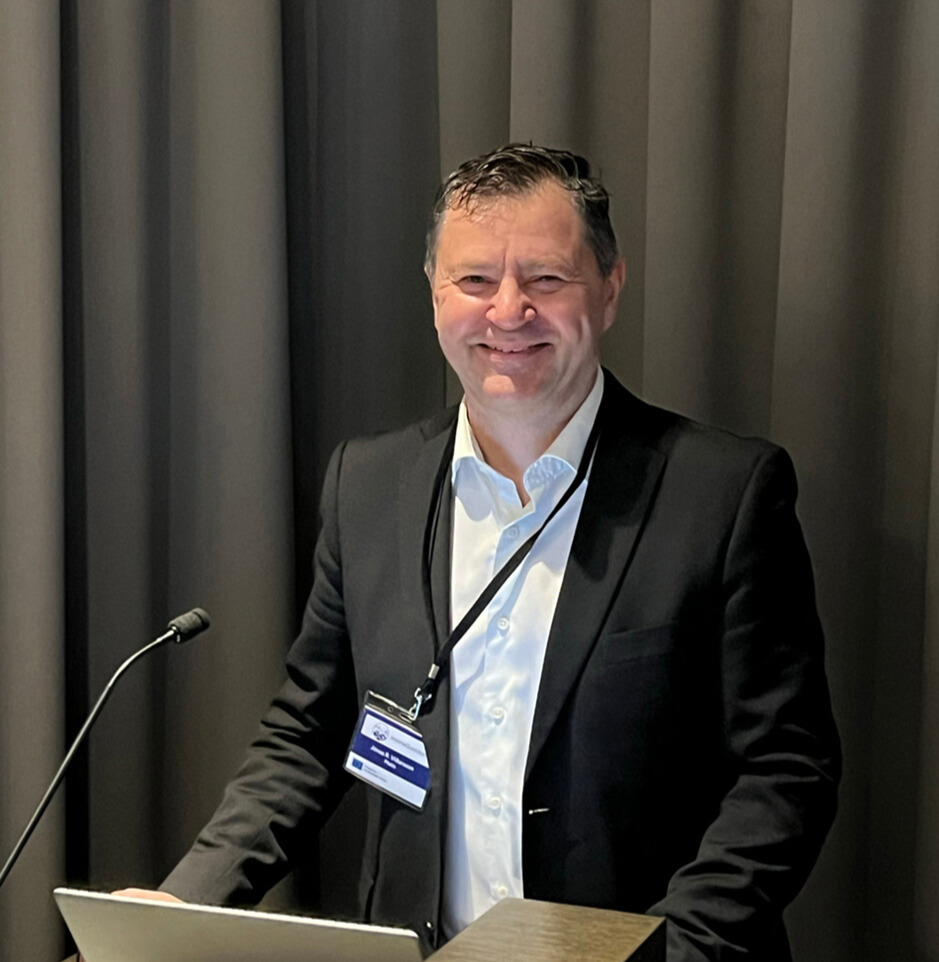
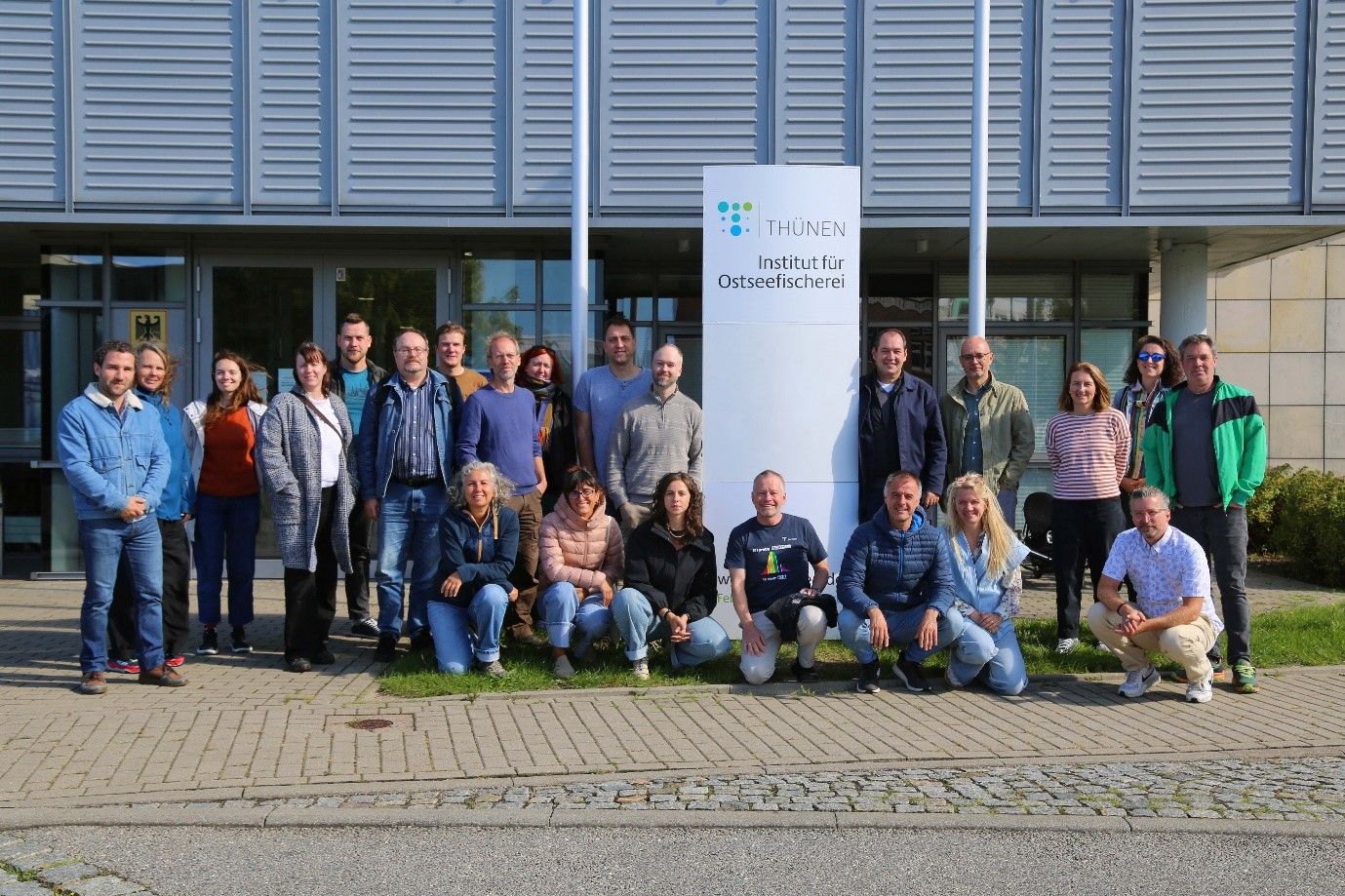
    At the Danish EU Presidency in Nyborg, Denmark, our coordinator Jónas Viðarsson joined forces with Elsa Cuende (AZTI, WP2 leader), as well as C. Manago M and Harald Hasler-Sheetal (ICES) to showcase MarineGuardian’s work and strengthen ties with key European initiatives and our sister project ECO-CATCH Project.

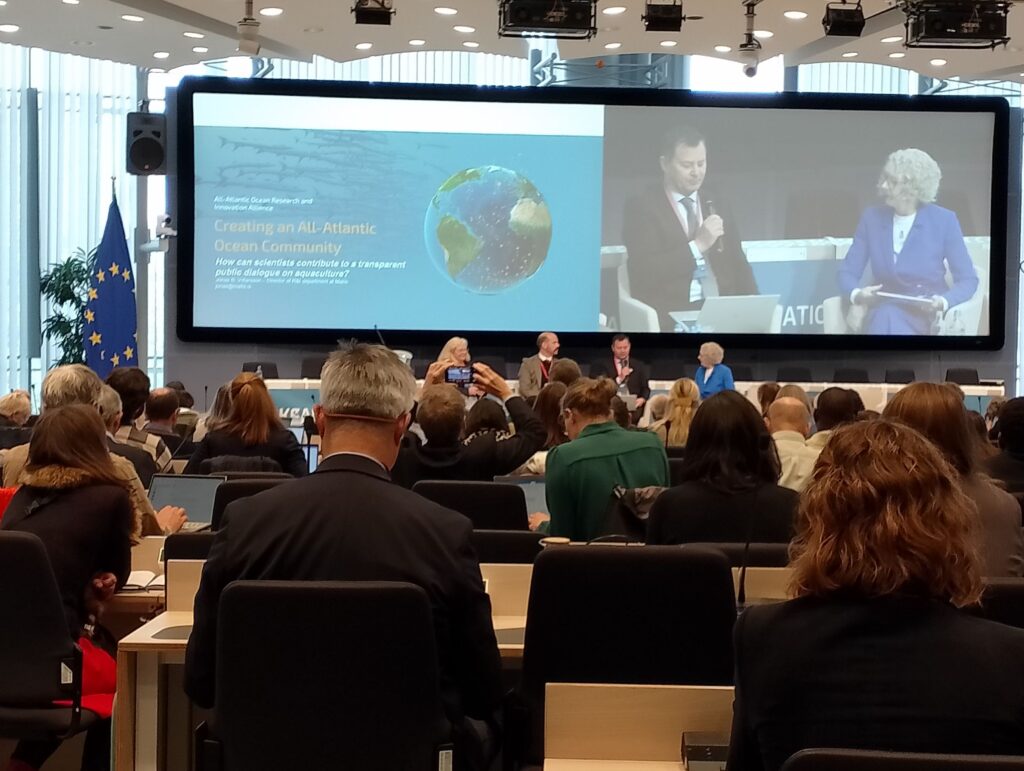
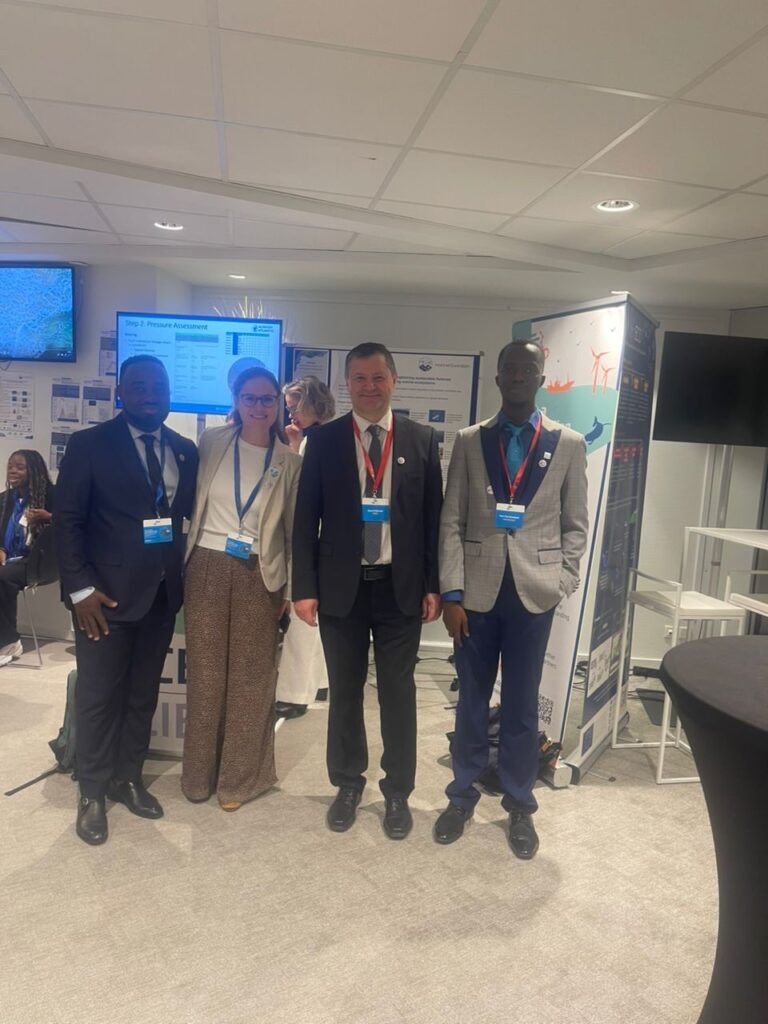
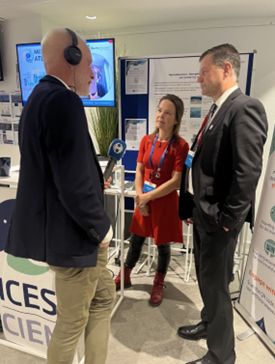
    Following that, Jónas, Caecilia, and Harald represented MarineGuardian at the All-Atlantic Forum (AAORIA), contributing to the global dialogue on sustainable oceans. They had the opportunity to give talks about the project and shared a booth with BioProtect Project showcasing their common efforts to an ocean in better health in the future. The coordinators even had the opportunity to talk about them for an interview on the Iceland radio RÚV.


    Meanwhile, Ana Marçalo (CCMAR) brought valuable insights to the ICES Working Group on Bycatch of Protected Species (WGBIC), sharing research on bycatch in Portuguese beach seine fisheries and highlighting MarineGuardian’s role in tackling this pressing issue.

    Finally, two of the Icelandic partners Hafrannsóknastofnun – Marine & Freshwater Research Institute and BRIM represented respectively by Haraldur A. Einarsson and Sveinn Margeirsson where featured on the Matís Iceland podcast Matvælið and discussed MarineGuardian and marine research, sustainable fisheries and the adaptability of the industry. The podcast (in Icelandic) is available here.

    From the North to the south of Europe, these exchanges help amplify MarineGuardian’s impact, ensuring our voice is heard across science, industry, and policy making communities.

    And this is only the beginning — stay tuned as we continue to build bridges and scale our collective efforts for healthier oceans.

  • Pilot Mitigation Trials to Reduce Cetacean Bycatch

    Pilot Mitigation Trials to Reduce Cetacean Bycatch

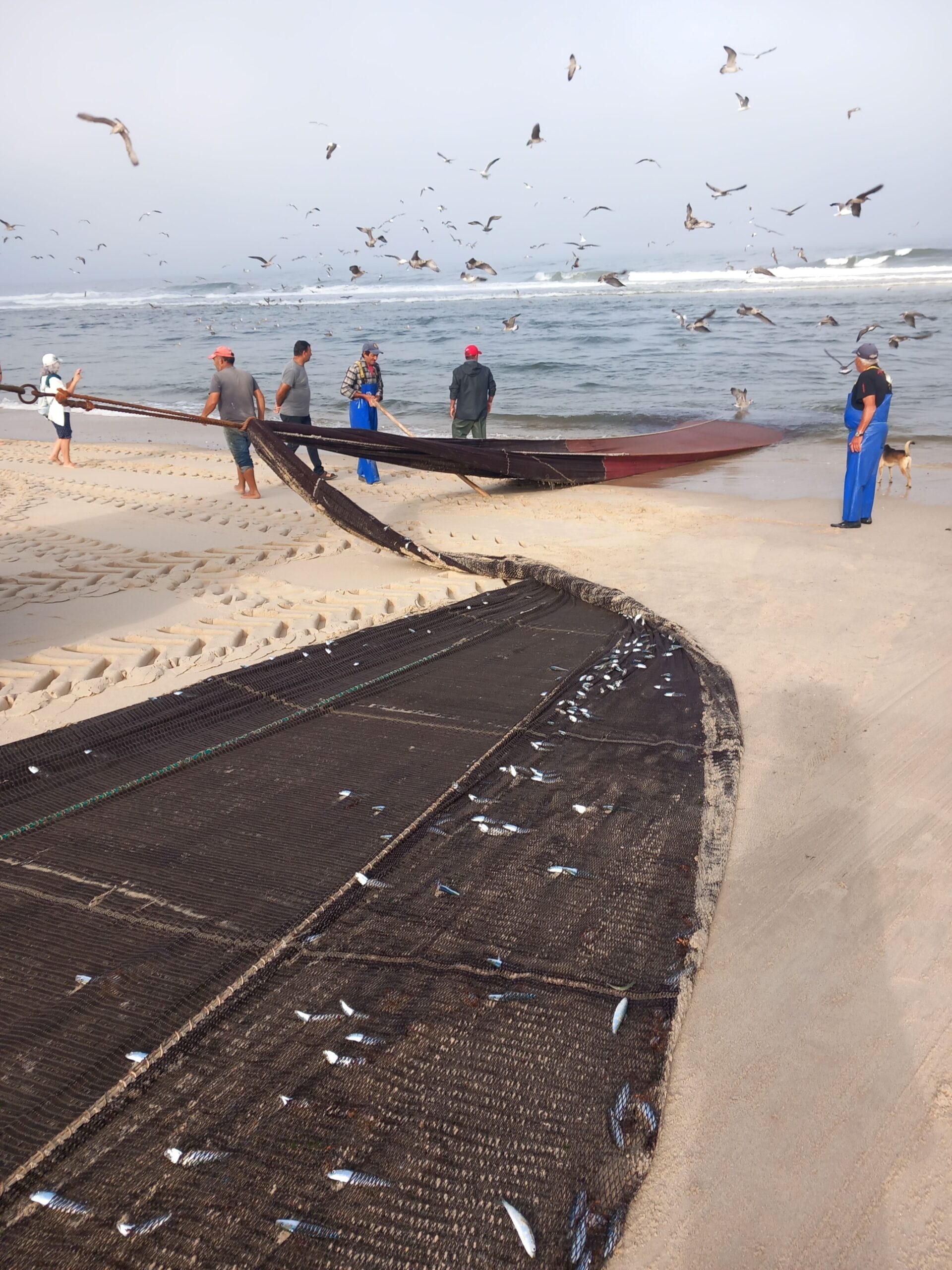
    This summer, our partner CCMAR kicked off a new initiative to tackle one of the biggest challenges in coastal fisheries: accidental bycatch of dolphins and other cetaceans in the Portuguese beach seine fishery.

    In June, we started by talking directly with fishers across several beaches on the western coast. Through detailed questionnaires, we learned that bycatch rates vary from beach to beach—and identified at least one area where urgent action was needed.

    With the summer season in full swing, we launched a pilot mitigation trial in this hotspot. Two vessels are now testing two different brands of pingers (acoustic deterrent devices), using the same experimental design.

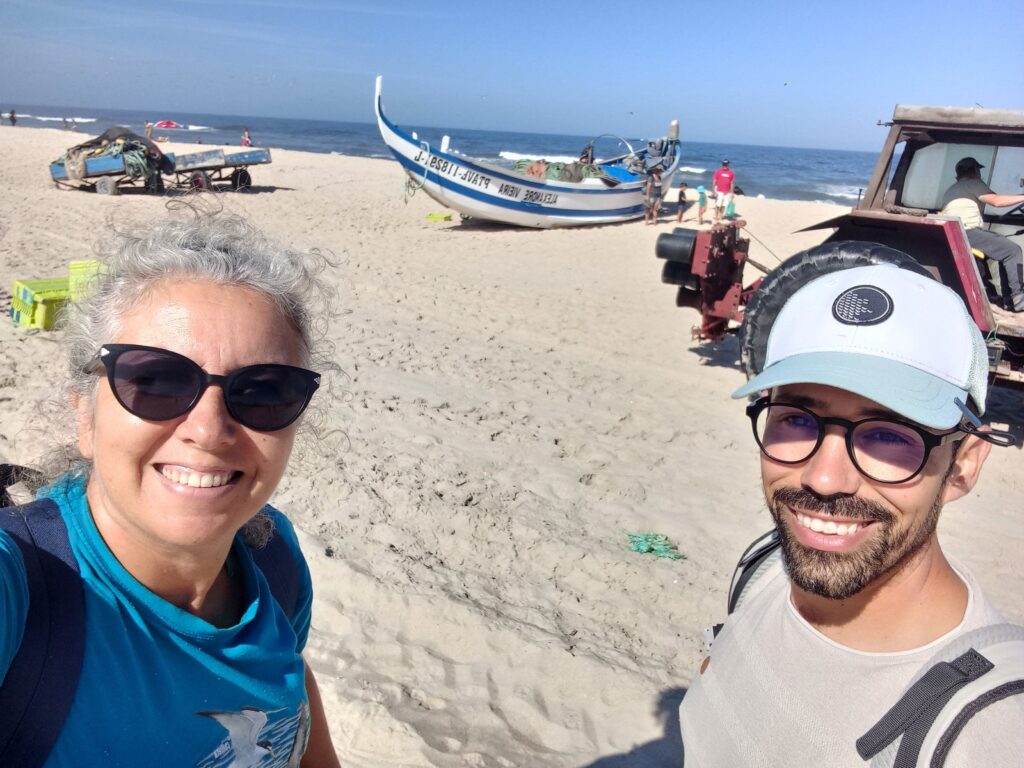
    Ana Luisa Barreto Marçalo  and Cláudio Alexandre Tabaio Brandão from CCMAR

    Over the coming weeks, we’ll assess both the effectiveness of these pingers in reducing bycatch and their practicality for fishers. Just as importantly, we’re keeping close communication with the skippers who are voluntarily working alongside us. Their feedback is key to finding real-world solutions.

    This is just the first step. Based on the results, we hope to expand these trials to other beaches and continue building partnerships with local fishing communities. Together, we can work toward more sustainable fisheries and safer seas for cetaceans.

  • MarineGuardian Kick-Off meeting

    MarineGuardian Kick-Off meeting

    We’ve officially launched the MarineGuardian project!

    The kick-off meeting took place on the 18-20th of June 2025. Nearly 70 participants from 21 organizations came together online for the meeting.

    The virtual three-day event was filled with inspiring discussions and great energy.

    Partners introduced their organisations and roles in the project. The work package leaders shared the overview of the work ahead and the next steps needed for collaboration. The case studies, which span across the whole Arctic and Atlantic Sea basin, were presented with their challenges and opportunities, and the detail of the multiple solutions that will be advanced, tested and demonstrated were presented. The sister project ECO-CATCH, lead by DTU was introduced, as well as https://marinebeacon.eu/ which is part of the same family and started last year. DG MARE, DG RTD and The European Climate, Infrastructure & Environment Executive Agency (CINEA) did also address the meeting to clarify EU expectations towards the project. Last but not least, Dr. Ray Hilborn, which is a part of the project’s External Advisory Group, provided inspirational message to the consortia, contemplating on how MarineGuardian can make a difference and contribute to changing the world in a positive way.

    Overall, the first bricks of the work were laid out and the next steps of MarineGuardian planned.

    Stay tuned as exciting work lies ahead and don’t forget to follow along on social media:

    Facebook link

    Linkedin link