Setting the scene
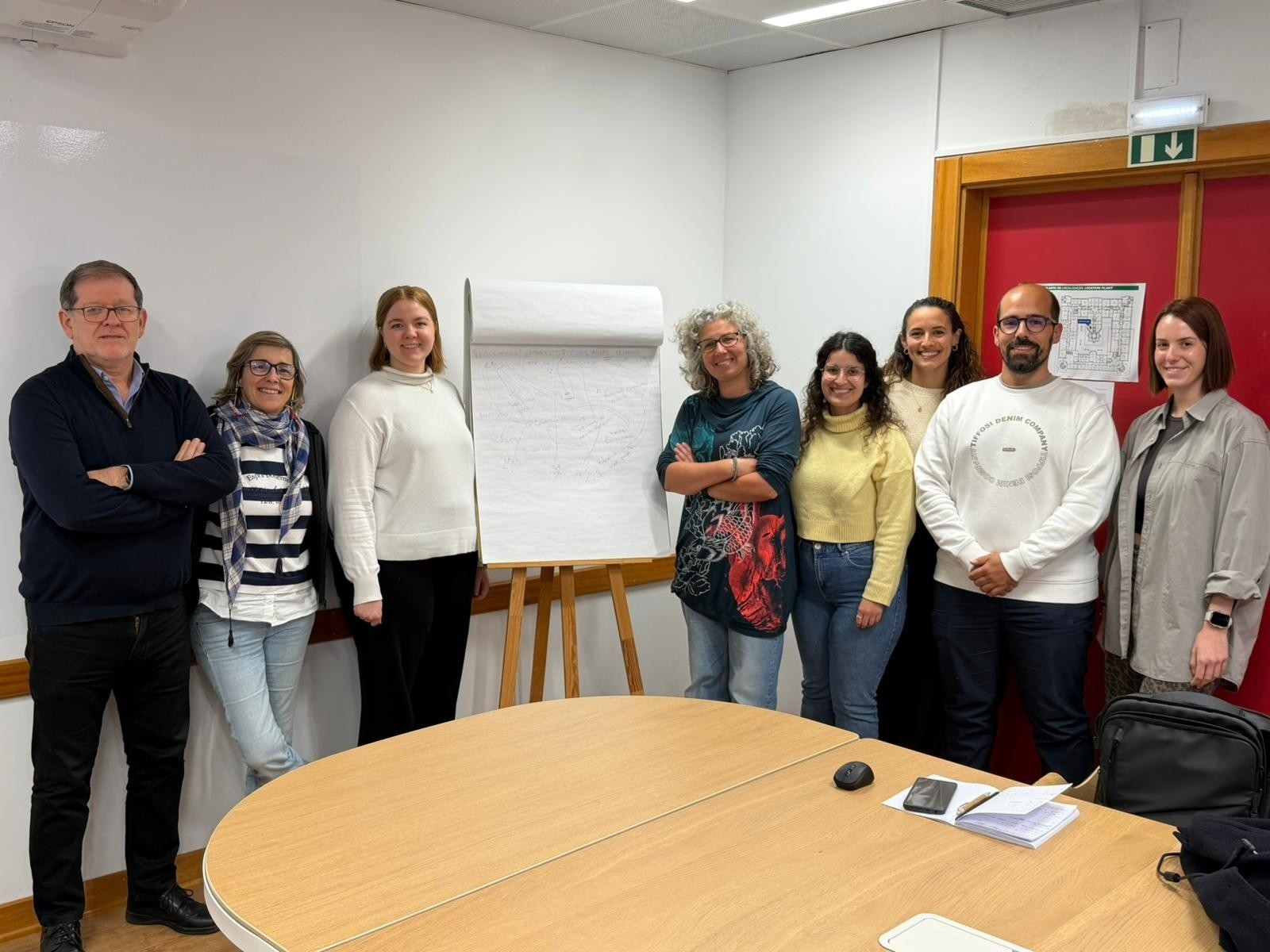
In mid-April 2026, the CCMAR team completed a training session in Faro where Prof. Carlos Silva from NOVA University Lisbon joined to be trained as the facilitator. The session covered the Conceptual Mapping and Fuzzy Cognitive Mapping methodology developed by the SINTEF Ocean team — the standardised approach applied across all six MarineGuardian case study regions.
With the methodology in hand, the team moved on to the stakeholder workshop.
The Workshop: Imagine a future where cetacean bycatch in beach seine fisheries has disappeared
At the heart of the MarineGuardian stakeholder methodology is a deliberately provocative question. Rather than asking participants to diagnose today’s problems, facilitators ask them to imagine a future where those problems have already been solved — and work backwards.
In Faro, that question was:
“Imagine it’s 2030, and cetacean bycatch in the beach seine fishery — arte xávega — has been completely solved. How did we get there?”
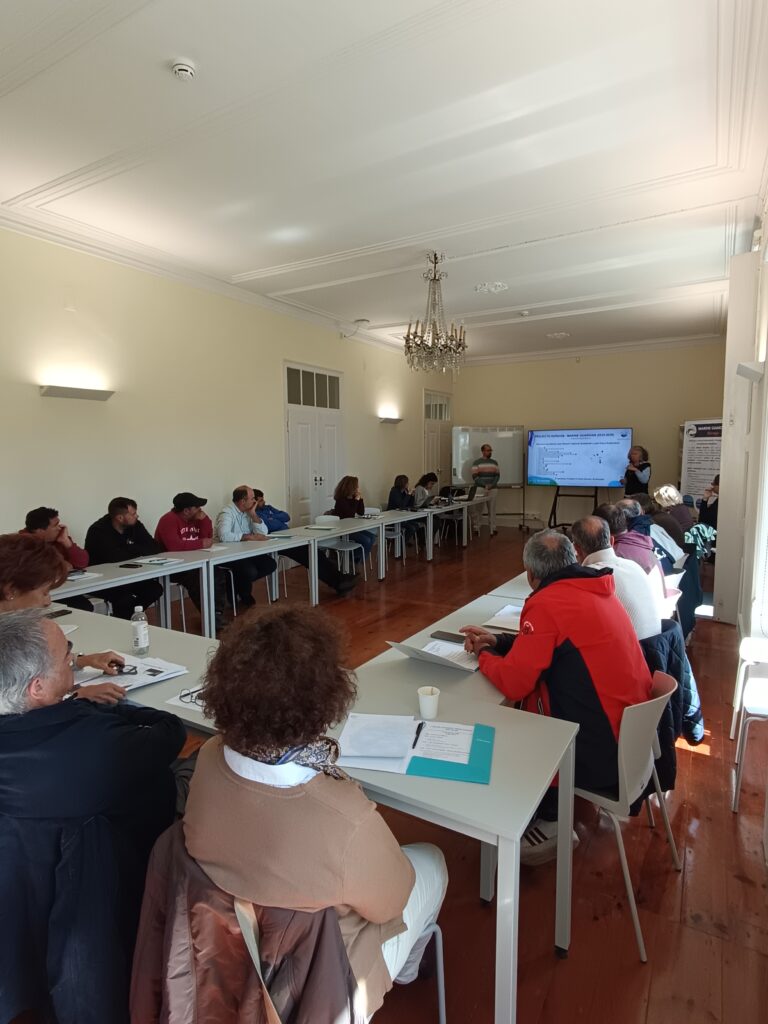
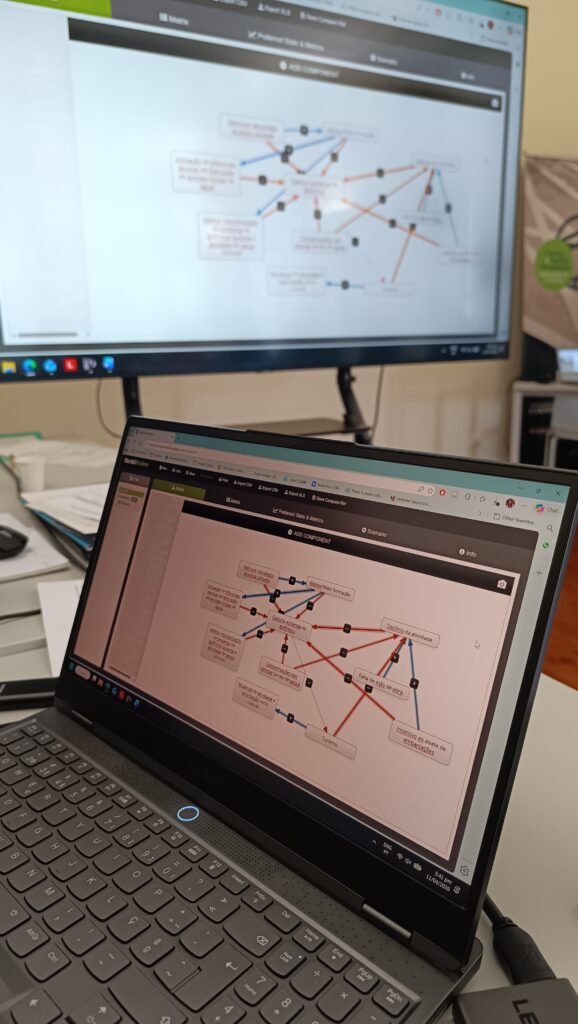
Participants — predominantly fishers with direct experience of the arte xávega fishery — explored seven key drivers of change that could influence that outcome: regulation, technology, markets, research, industry, fishing areas, and climate change.
Two drivers stood out as the most influential:
- Regulation emerged as the primary force shaping behaviour, incentives, and long-term direction. Participants recognised that without the right policy framework, even the most effective technological solutions struggle to gain traction in real fishing conditions.
- Technology came close behind — with specific solutions such as acoustic deterrents (pingers) and drones identified as promising tools already within reach.
The main discussions
The discussion highlighted how public perception and social media are now powerful forces influencing decision-making in marine conservation.
At the same time, there’s a growing shift toward economic diversification—moving beyond intensive fishing toward models that combine cultural heritage, sustainability, and tourism.
One of the most impactful ideas proposed was compensation per haul:
- A financial mechanism that compensates fishers when they interrupt a haul to save a marine animal.
- By removing the economic cost of doing the right thing, this approach creates a true win-win:
- Supporting fishers’ livelihoods
- Strengthening biodiversity protection
The takeaway
Solving complex challenges like bycatch requires alignment between policy, innovation, and human behaviour.
This workshop showed that a sustainable and thriving future for beach seine fisheries is not only possible—it’s already being designed.
What comes next
This workshop is the first step in a longer conversation. Later this summer, field tests of specific bycatch mitigation technologies will take place — generating new data that will feed back into the stakeholder process.
In approximately two years, the same communities will be brought back together for a second round of workshops. The goal will be to go deeper — and to see how perceptions have shifted in light of what has been learned and tested in the intervening period.
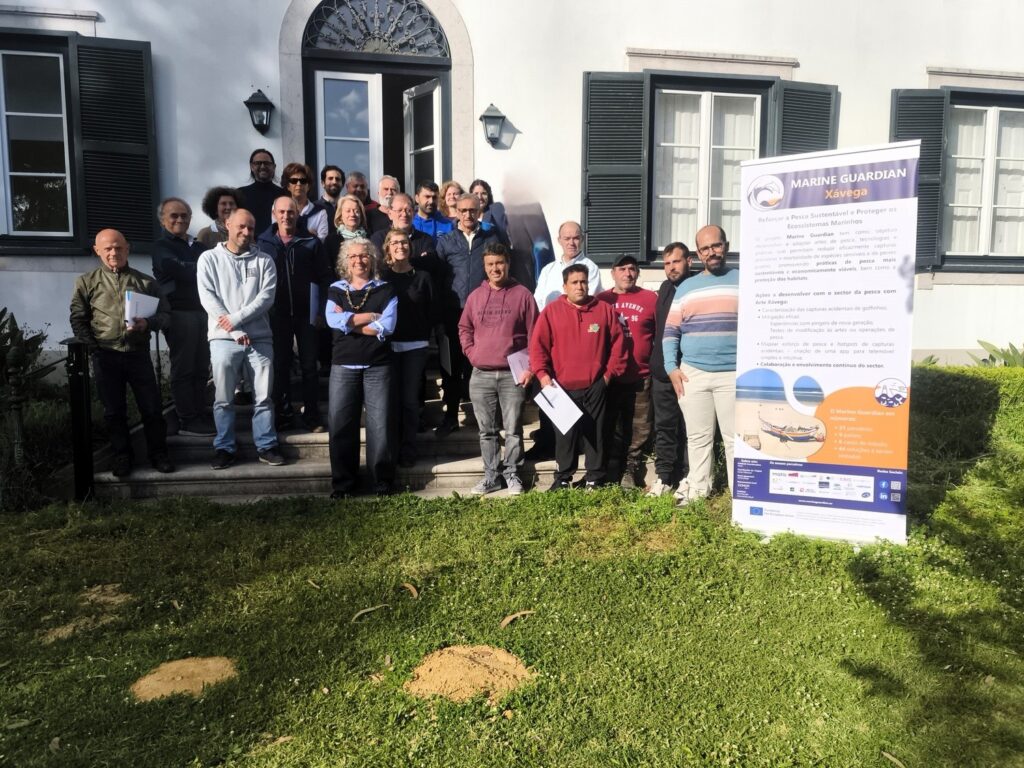
This workshop was conducted as part of the MarineGuardian project’s stakeholder engagement programme, led by the SINTEF Ocean team. The CCMAR case study focuses on cetacean bycatch mitigation in Portuguese beach seine fisheries.