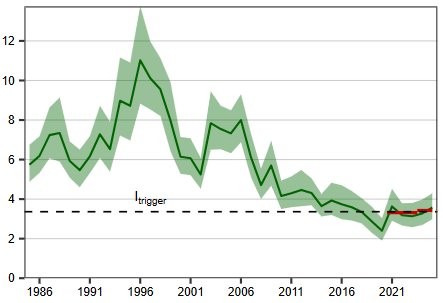
Case study lead: MFRI
List of CS partners: TRACKWELL, HAMPIÐJAN, BRIM
External collaborators: STAR-ODDI, NAUST Marine
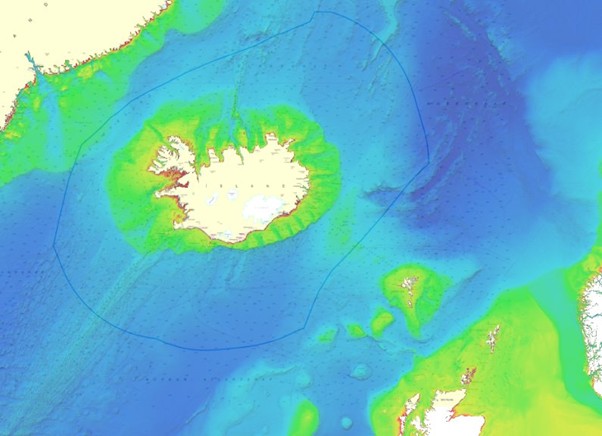
A highly profit-driven industry and the second most important source of income for the national economy. The annual catch is approximately 1 million tonnes. The main fishing methods are trawls, hooks and lines and gillnets. Iceland has well- equipped fishing vessels and data-rich industry.
Key features and challenges
- Sustainable stocks
- Unwanted catch
- Emission
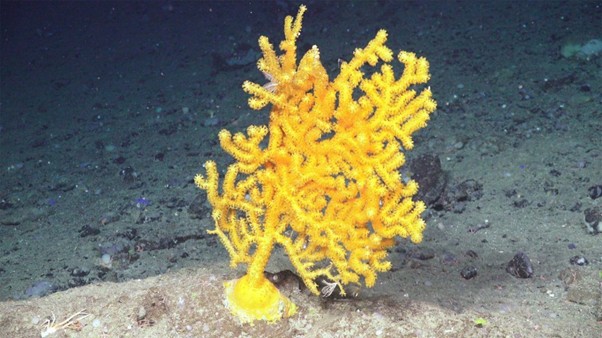
- bottom impact
- plastic pollution
Main activities and solutions
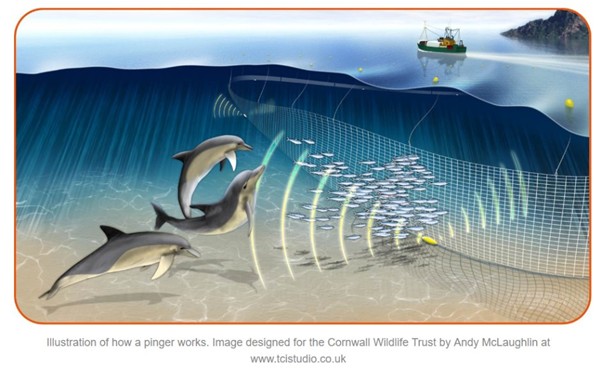
Static fishing gear:
- T2.1.2 Acoustic deterrent devices for gillnets
- T2.1.5 Magnetic deterrent device for elasmobranchs
- T2.1.6 Gear modifications to increase the acoustic visibility of gillnets to reduce incidental catches of echolocating animals (Perlnets)
Mobil fishing gear:
- T2.3.2 Innovative ground gear design (semicircular spreading gear)
- T2.3.3 Headline kites
- T3.1.1 Optigear
- T3.1.3 Hafsýn
- T3.2.2 FishScanner
Guidelines:
- Task 3.4 Guidelines on safe handling to reduce discard mortality
- Task 3.5 Best practice guidelines for implementing operational strategies for reducing the environmental impacts of fisheries on marine biodiversity and habitats