Case study lead: CSIC
List of CS partners: CSIC, CCMAR, AZTI, DATAFISH, ZUNIBAL
External collaborators: Fisher organizations
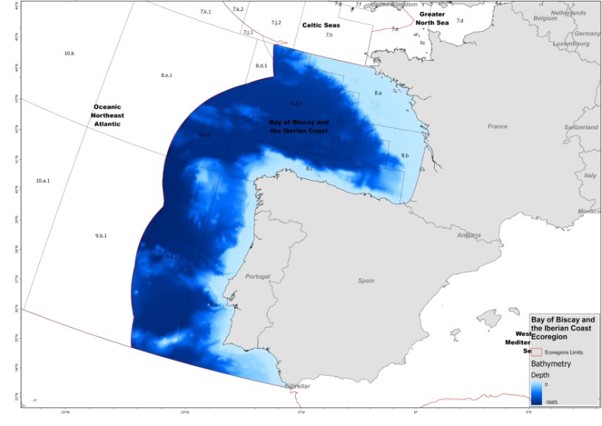
Area
- ICES 8abce
- ICES 9a
Species
- Common dolphin, Iberian harbour porpoise
- Seabirds (northern gannet)
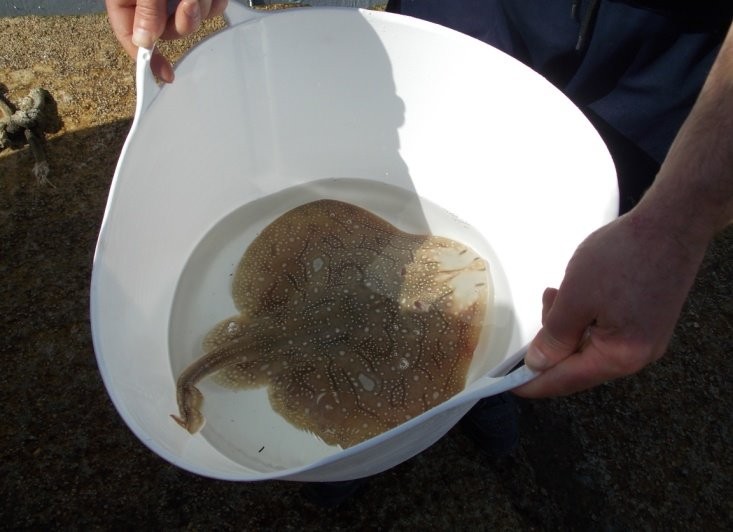
- Elasmobranch species: sharks and bottom rays and skates
- VME species: Cold-water coral reefs, sponge aggregations, Sea pen fields, other deep invertebrate species
Habitats
- Vulnerable Marine Ecosystemsfrom Scotland to Portugal
- Very extensive coastline in Galiciawith marine estuaries (‘rias’) thathost cetaceans and protectedspecies
Fisheries
- Large fishing effort
- Variety of fishinggears
- From beach seineto trawling
Problems
- Bycatch (Dolphin,Harbour Porpoise, Iberian porpoise, seabirds)
- Set nets, pelagic and pair trawling
- Purse seine interactions with losses for fishers
- Vulnerable Marine Ecosystem
- Selectivity problems for juveniles
Regulations
- France: Fishing banning last two years during February
- France: Mandatory pingers in pelagic trawling
- Spain: Mandatory pingers in bottom trawling
- Portugal: Mandatory pingers in beach seining
- 87 closed areas for fishing
- Deep sea species fisheries regulations.
- Endangered species
Main activities and solutions
WP2. Fishing gear & tools to reduce environmental impacts of fisheries on marine species & habitats
Deterrent technologies to reduce interactions between fishing gears and sensitive species (M1-M44). Lead: AZTI; Participants: CSIC, CCMAR, MFRI.
- T2.1.1 Seabird deterrent for demersal trawls
- T2.1.2 Acoustic deterrent devices for gillnets
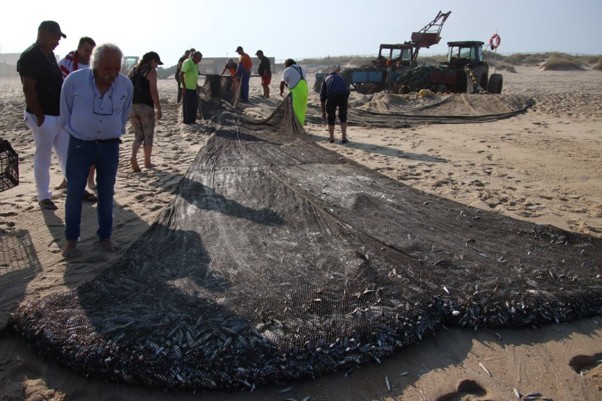
- T2.1.3 Acoustic deterrent devices for beach seine fisheries
- T2.1.4 Acoustic deterrent devices for purse seine fisheries
Catch select:
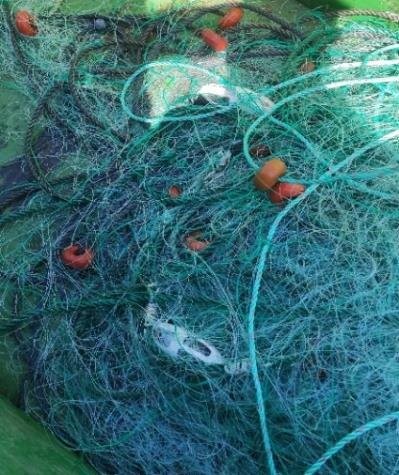
Fishing gear modifications and technologies to reduce the capture of sensitive species and juvenile fish (M1-M44). Lead: MUN; Participants: MFRI, CSIC, CCMAR, HAMPIÐJAN, HWU, BRIM.
T2.2.3 Demersal trawl exclusion devices to eliminate bycatch of cetaceans and sharks in demersal fisheries (M1- M44). Lead: CSIC; Participants: local fishers
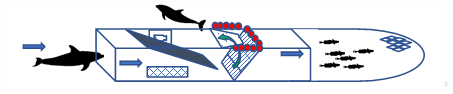
T2.2.3 Demersal trawl exclusion devices to eliminate bycatch of cetaceans and sharks in demersal fisheries (M1- M44). Lead: CSIC; Participants: local fishers
T2.2.5 Exclusion device for cetaceans in beach seine fisheries (M6-M44). Lead: CCMAR; Participants: local fishers
WP3. Operational strategies for reducing environmental impacts of fisheries on marine biodiversity and habitats
Task 3.3 Eco Guide: Guidance on effecting beneficial changes in fishing operations and strategies (M3- M44). Lead: CSIC; Participants: AZTI, ZUNIBAL, DATAFISH, CSIC, DTU, ICES.
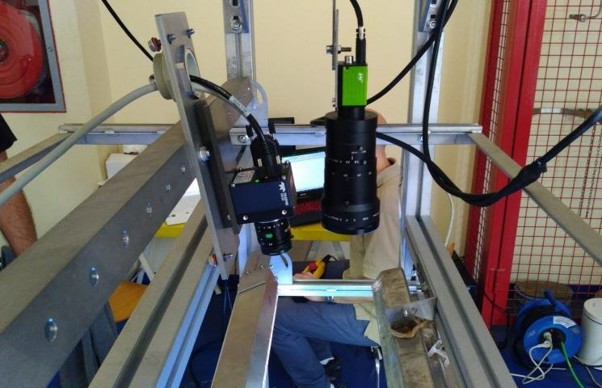
T3.3.1 BenthoSearcher 2.0 (M1-M44). Lead: CSIC; Participants: Local fishers
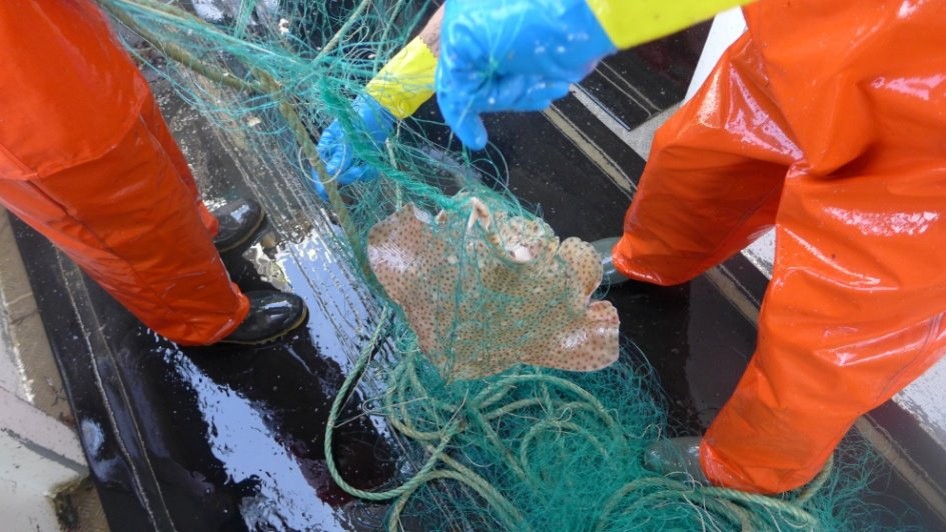
Task 3.4 Guidelines on safe handling to reduce discard mortality (M3-M24). Lead: MFRI; Participants: CSIC, AZTI, MUN, CCMAR
Task 3.5 Best practice guidelines for implementing operational strategies for reducing environmental impacts of fisheries on marine biodiversity and habitats (M37-M48). Lead: MFRI; Participants: CSIC, CCMAR, AZTI, MUN, DTU, TRACKWELL, BRIM.