Case study Lead: MUN
List of CS partners: HAMPIDJAN, TRACKWELL
External collaborators: OCI, Vessels TBD
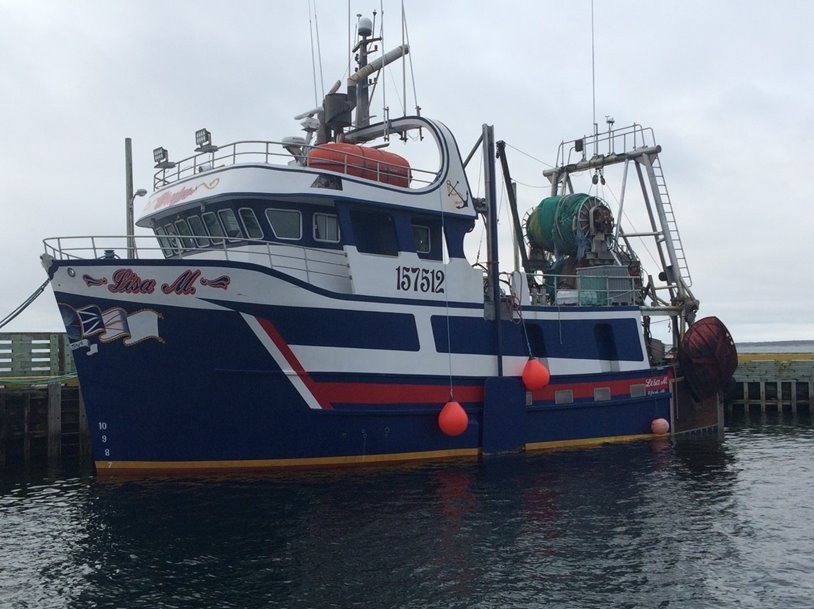
Canada has a diverse fishing fleet made up of a mixture of small and large sized vessels that fish trawls, seines, and static gear.
Trawling can face numerous challenges such as high bycatch and environmental impacts, and static gears can entangle sensitive marine mammals.
Large fishing companies would like more from fleet management systems and other decision support systems to optimise their fisheries.
Key features and challenges
- The key features of this case study will be the collaboration between the research institute (MUN) and marine technology companies (HAMPIÐJAN and TRACKWELL)
- The challenges will be to advance existing fishing gear and fleet management solutions to address current problems ranging from bycatch to CO2 emissions
Main activities and solutions
- Several tasks in Catch Select (T2.2.1 )
- Problem: bycatch of non-target species is problematic in the Canadian redfish fishery
- Will test multiple devices at once with the aim of reducing bycatch while maintaining commercial catch rates
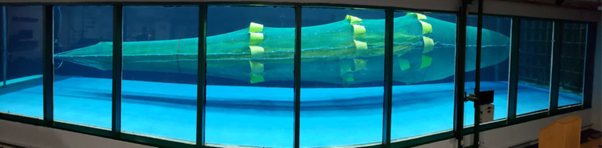
- Flume tank tests and at-sea trials
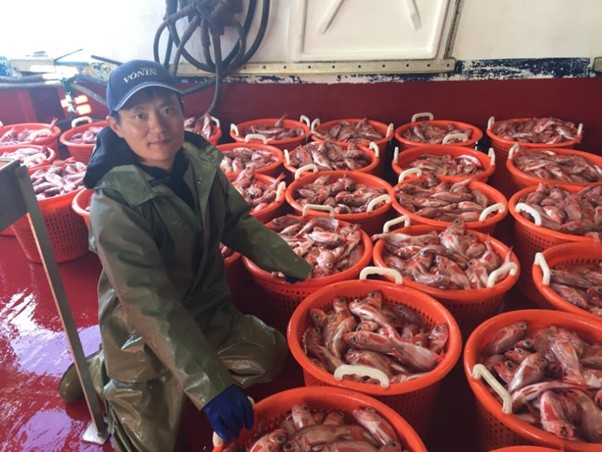
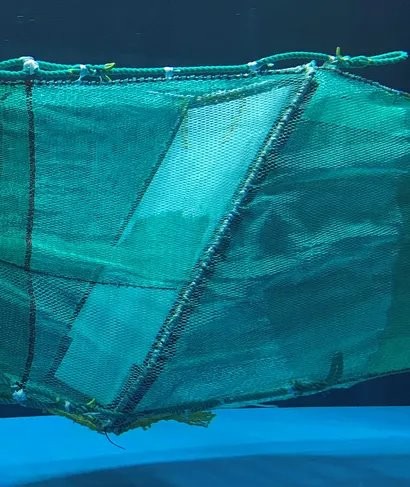
- Several tasks in Catch Select (T2.2.2)
- Problem: bycatch of juvenile redfish in shrimp trawls
- Will test multiple devices at once with the aim of reducing bycatch while maintaining commercial catch rates
- Flume tank tests and at-sea trials
- Several tasks in Catch Select (T2.2.4)
- Problem: marine mammal entanglement
- Will test multiple devices that cut ropes when entangled
- Lab tests and at-sea trials
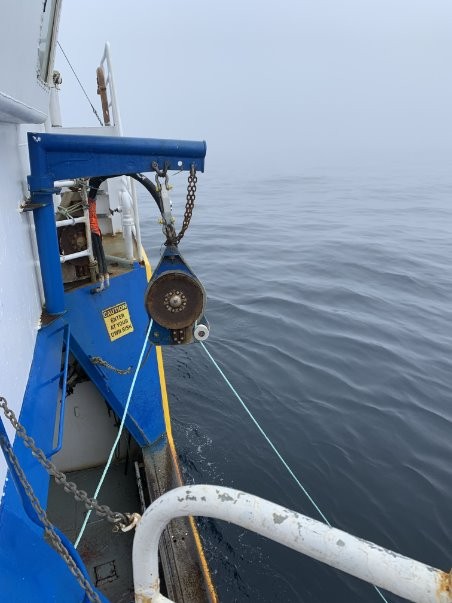
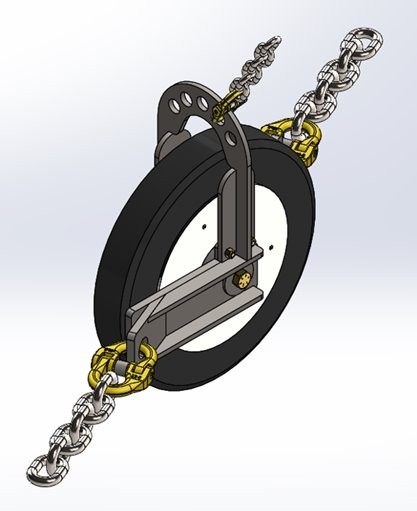
- Tasks in Eco Gear (T2.2.4)
- Problem: trawl seabed contact
- Will test new footgear to reduce seabed contact
- Flume tank tests
- Tasks in Catch Advisor (T3.1.3)
- Problem: Fleetwide unwanted catches/sensitive habitat
- Will test DSS
- Field trials