Case study Lead: SINTEF
List of CS partners: MELBU, CATCHWISE
External collaborators: Norwegian Directorate of Fisheries, vessels and skippers TBD
Case study in Barents Sea involves two technologies developed by Norwegian SMEs:
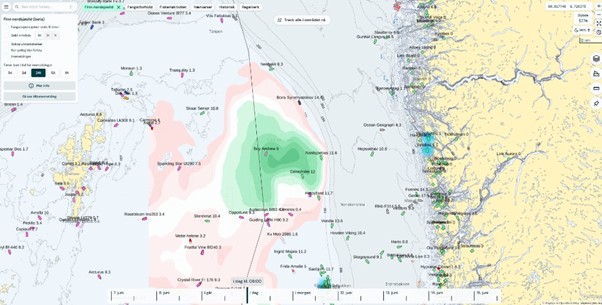
- Catchwise software DSS extension – part of Catch Advisor, by Catchwise.
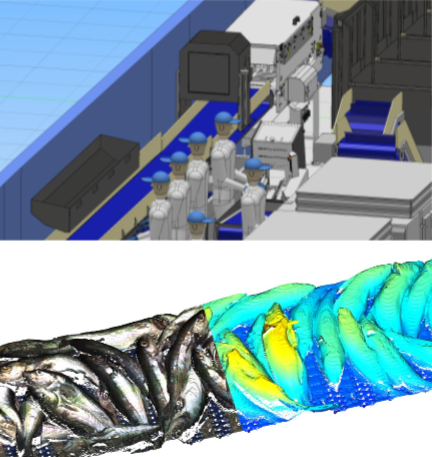
- Next-generation CatchScanner – part of AI Decide, by Melbu Systems.
Key challenges in Norwegian whitefish fisheries:
- Knowing where to fish to minimize bycatch, including juveniles.
- Knowing exactly how much was caught of each species and size group immediately after fish is onboard, including bycatch fraction.
- Knowing how to optimize fishing efforts to reduce environmental impact (e.g. CO2) during fish finding.
- Provide the fishers with the best possible information in a timely manner, to support the decision-making before and during fishing activities, in a way that complements existing tools and experience.
Main activities and solutions
Catchwise DSS bycatch extension, from TRL 7-9:
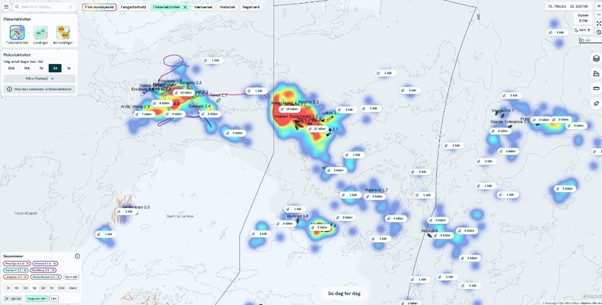
- Already displays rich historical and contemporary data sources from Norwegian Directorate of Fisheries (ERS, VMS, landings data), Kystverket (AIS), and Copernicus Marine Service.
- Develop AI to predict bycatch from historical landings and oceanographic data, and overlay predictions on map.
- Operational decision support before or during fishing, to assist in locating targeted species and sizes, while avoiding unwanted bycatch.
- Will be tested using Catchwise’s existing client base.
Next-generation CatchScanner from TRL 7 to 9
- Imrove reliability and efficiency and demonstrate in an operational environment; fishing vessel
- To provide real-time catch registration to the bridge and combine with current location and gear used -> enable real-time decisions to avoid unwanted catches
- Enhance registration accuracy to a level acceptable for local management authorities