
This solution is developed by:
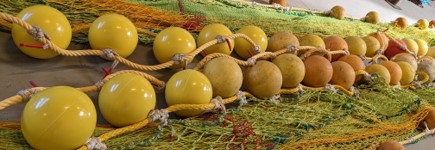
Bottom trawl fisheries commonly use plastic headline floats to help keep the upper part of the net open during fishing. Over time, these floats if they get lost at sea, can contribute to marine plastic pollution and may increase drag and energy use.
The headline kite solution explores the use of kites, which are already common in pelagic trawl fisheries, as a more sustainable alternative to traditional headline floats in bottom trawls.
The challenge
Plastic headline floats are widely used because they provide reliable vertical opening of the trawl. However, their use can contribute to plastic pollution in the marine environment (both microplastics due to friction, and macro plastics when they are lost at sea)and increase drag leading to higher fuel consumption and CO₂ emissions.
Identifying alternatives that can maintain trawl geometry while reducing environmental impacts is a key challenge for gear innovation.

The solution
This MarineGuardian solution focuses on testing headline kites as a replacement for plastic floats in bottom trawl fisheries.
Headline kites use hydrodynamic lift, generated by water flow through the trawl, to keep the headline open. The solution aims to:
- Reduce reliance on plastic components
- Lower drag and energy use
- Maintain effective trawl opening and catch performance
Performance will be evaluated using OptiGear, comparing kites and floats across multiple parameters, including drag, energy use and catch composition.
Development and progress
Development of the headline kite solution is progressing through controlled experimental design:
- Trial design has been completed
- A 3–4 day research vessel trial is planned for 2026
- Two identical trawls will be tested side by side: one equipped with traditional floats, the other with headline kites
Expected impact
The headline kite solution is expected to contribute to:
- Reduced plastic use and potential marine litter
- Lower drag and fuel consumption
- Reduced CO₂ emissions from bottom trawl fisheries
- Evidence-based evaluation of alternative headline technologies
